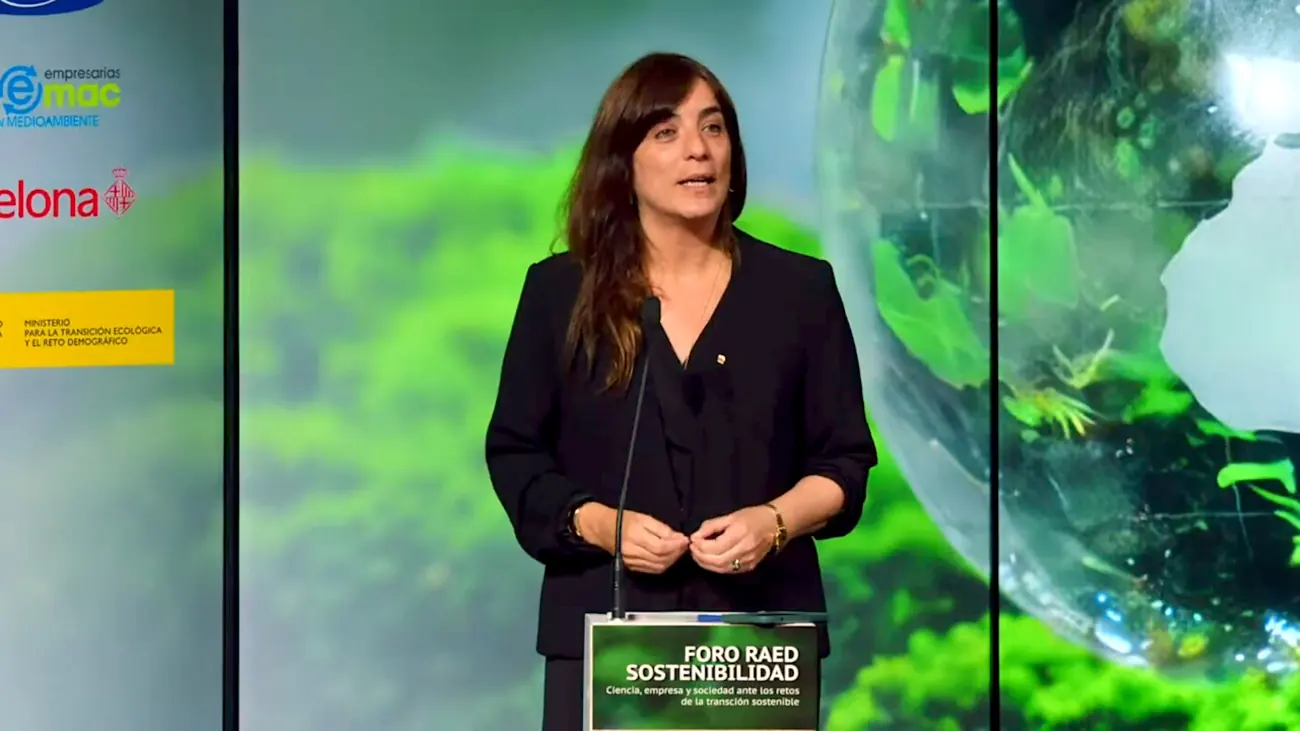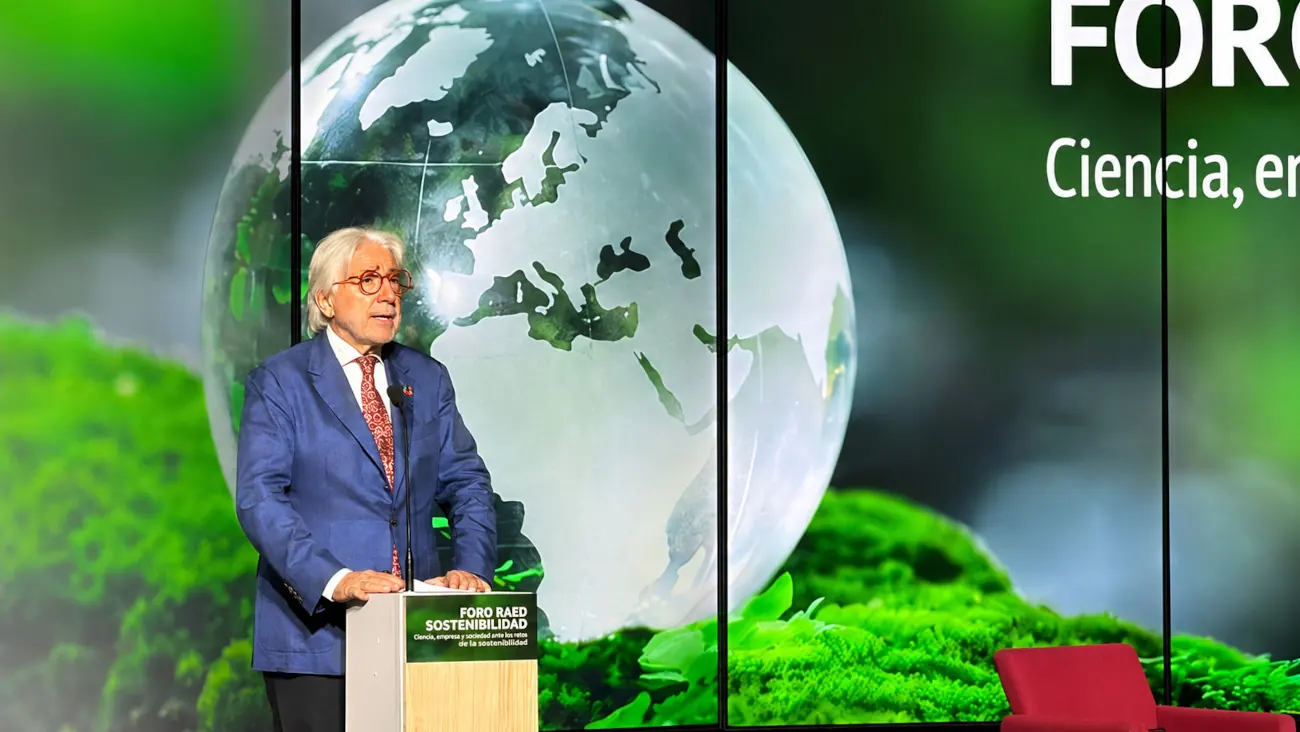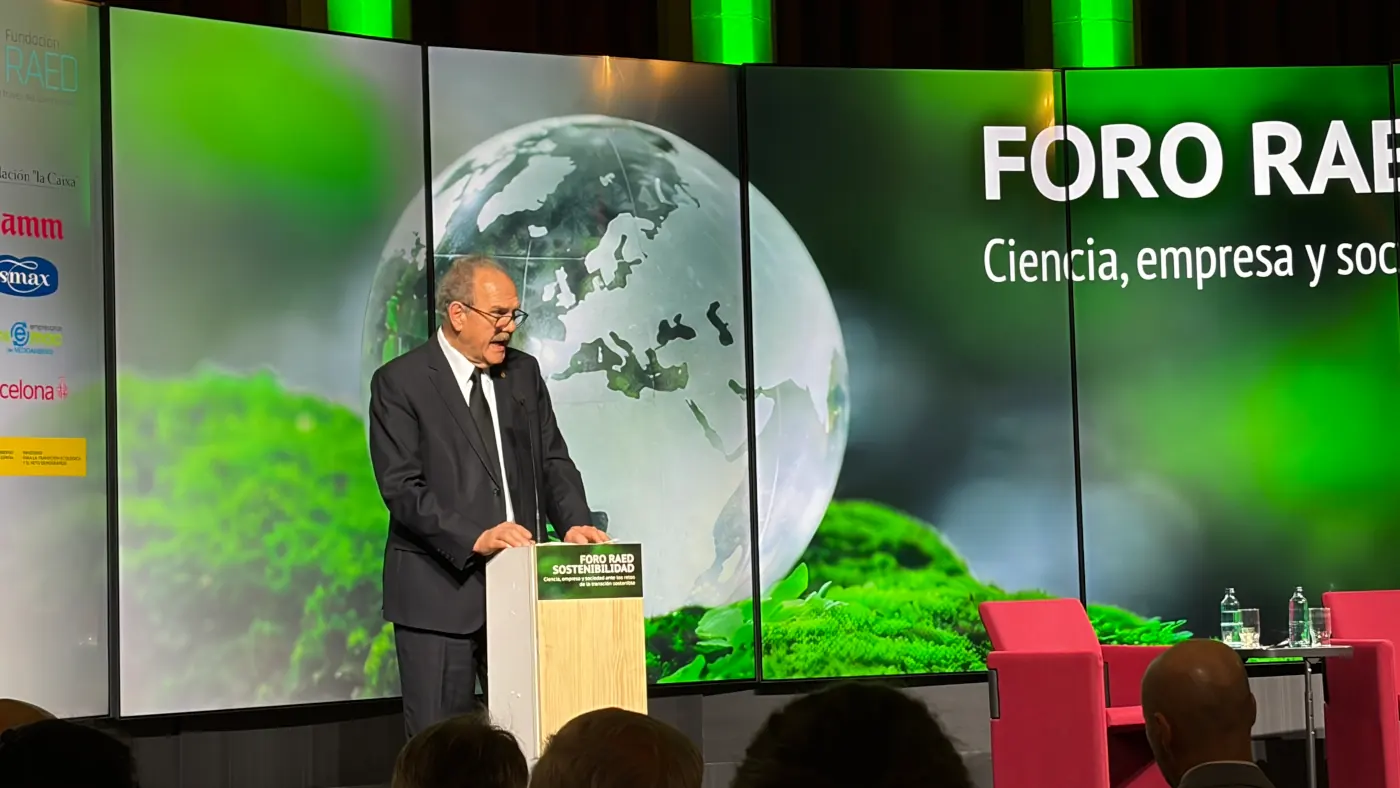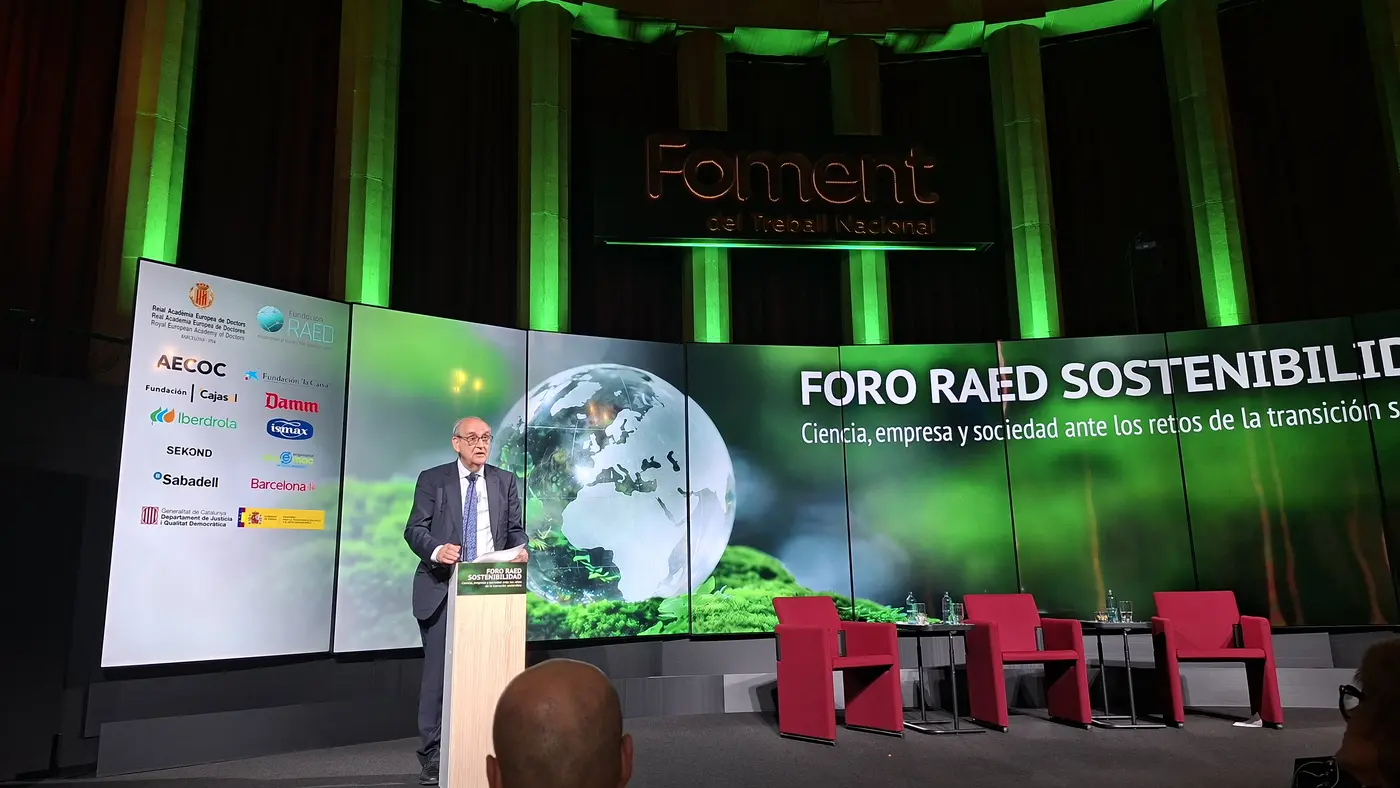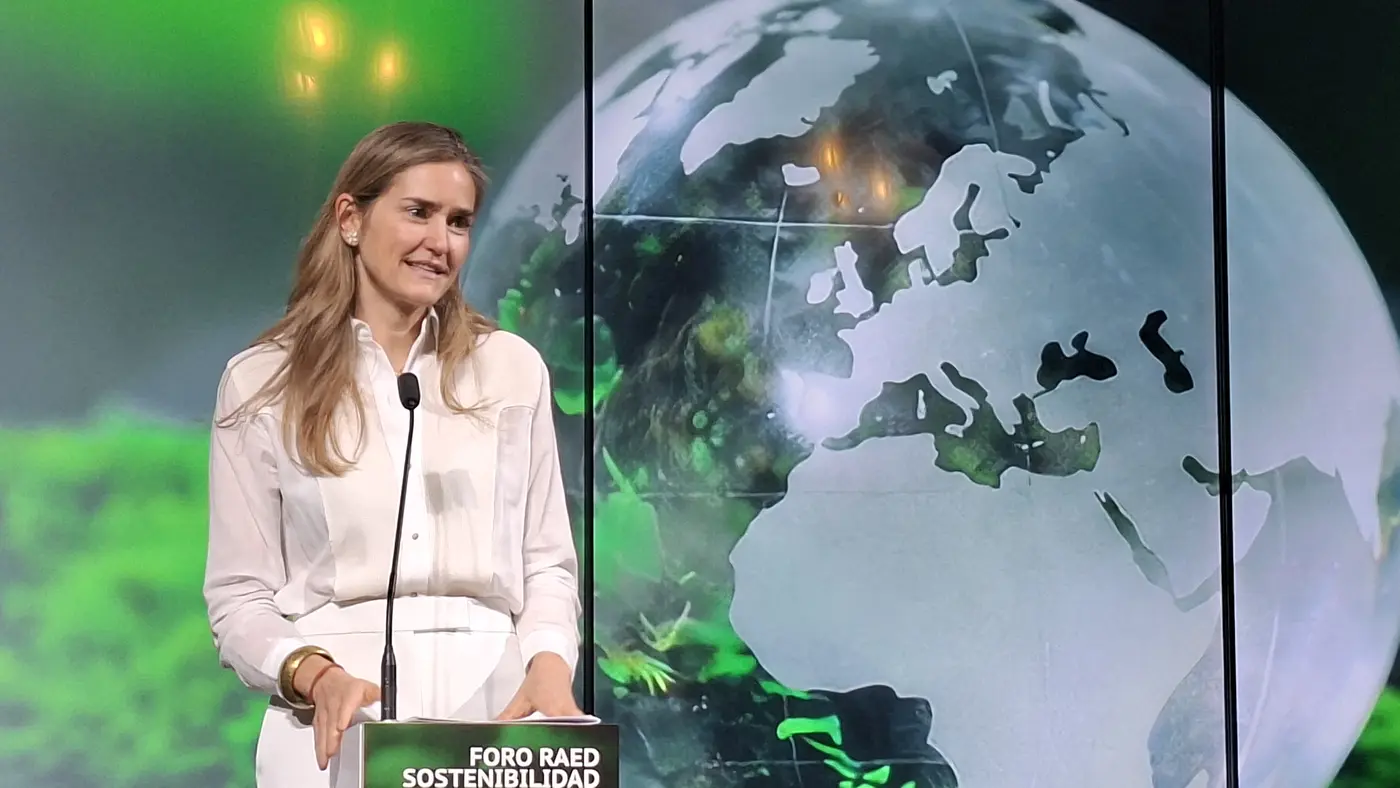


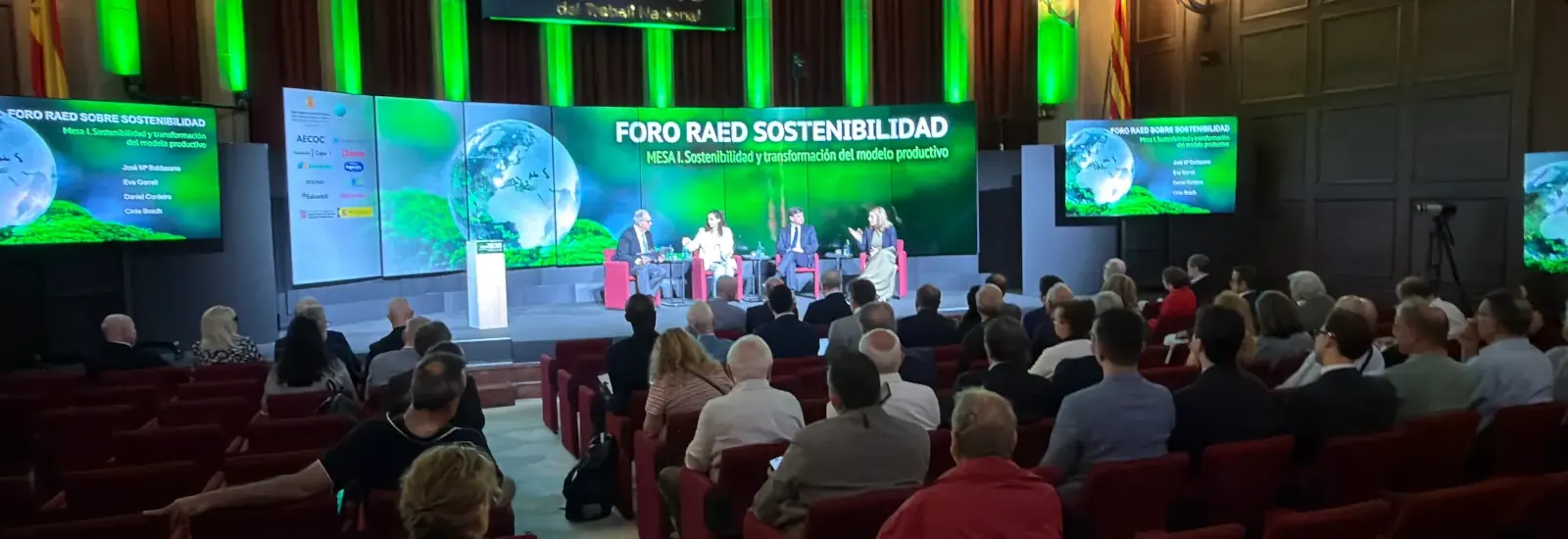
The new forum aims to promote rigorous, interdisciplinary and independent reflection on the major challenges of the sustainable transition. “This forum was created with the intention of positioning the RAED as a leading space for analysis, debate and knowledge transfer concerning an issue that is decisive for both the present and the future. Sustainability cannot be understood solely as an environmental challenge, but as a cross-cutting reality that affects the economic model, technological development, public health, social cohesion, governance, law, ethics and intergenerational responsibility,” Rocafort emphasised. Garrell, for his part, explained that the initiative seeks to bring together the academic knowledge of the Royal Academy and the practical experience of companies, foundations, associations, public administrations, universities, scientific institutions and organisations committed to sustainable transformation. “Its objective is to encourage qualified dialogue between science, innovation, the productive sector, institutions and civil society, always based on rigour, independence, scientific evidence and a plurality of perspectives,” he stated.
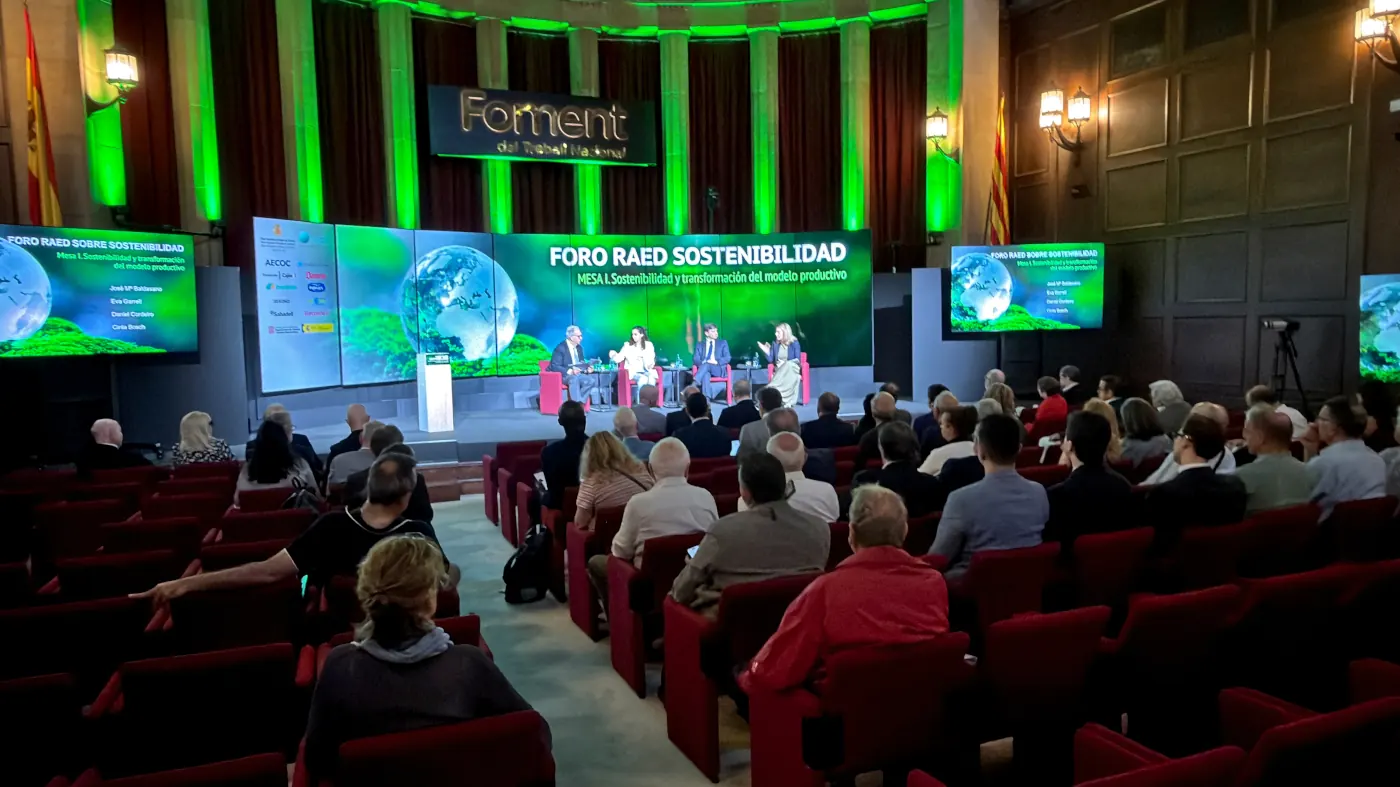
In this initial phase, the forum has benefited from the contribution of leading companies, foundations, associations and institutions in their respective fields, committed to sustainability, responsible innovation, the transformation of the productive model and the promotion of initiatives with a high social impact. Their participation reinforces the purpose of this new academic event as a meeting place bringing together the Academy, the business community, institutions and civil society, aimed at fostering rigorous, cross-cutting and constructive dialogue on the challenges of the sustainable transition. The programme was structured around two round tables devoted to some of the main pillars of contemporary sustainability: economic sustainability and the transformation of the productive model, as well as technology, innovation and artificial intelligence at the service of sustainability. The event was completed by three dialogues between members of the RAED Governing Board and business executives, conceived as spaces for direct reflection on key issues such as society, governance, well-being, social cohesion and ethical responsibility within the framework of global sustainability, as well as on the role of organisations in addressing the challenges of the sustainable transition.
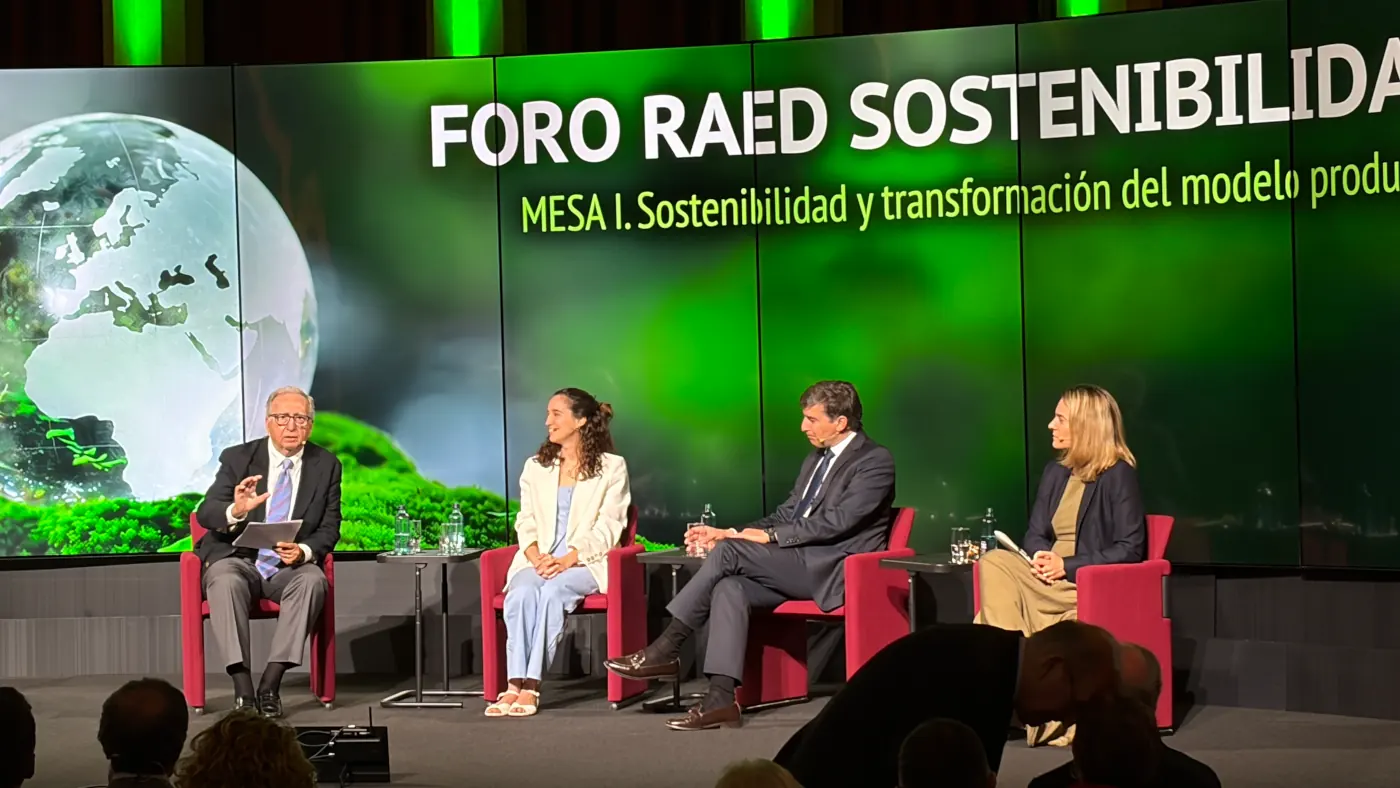
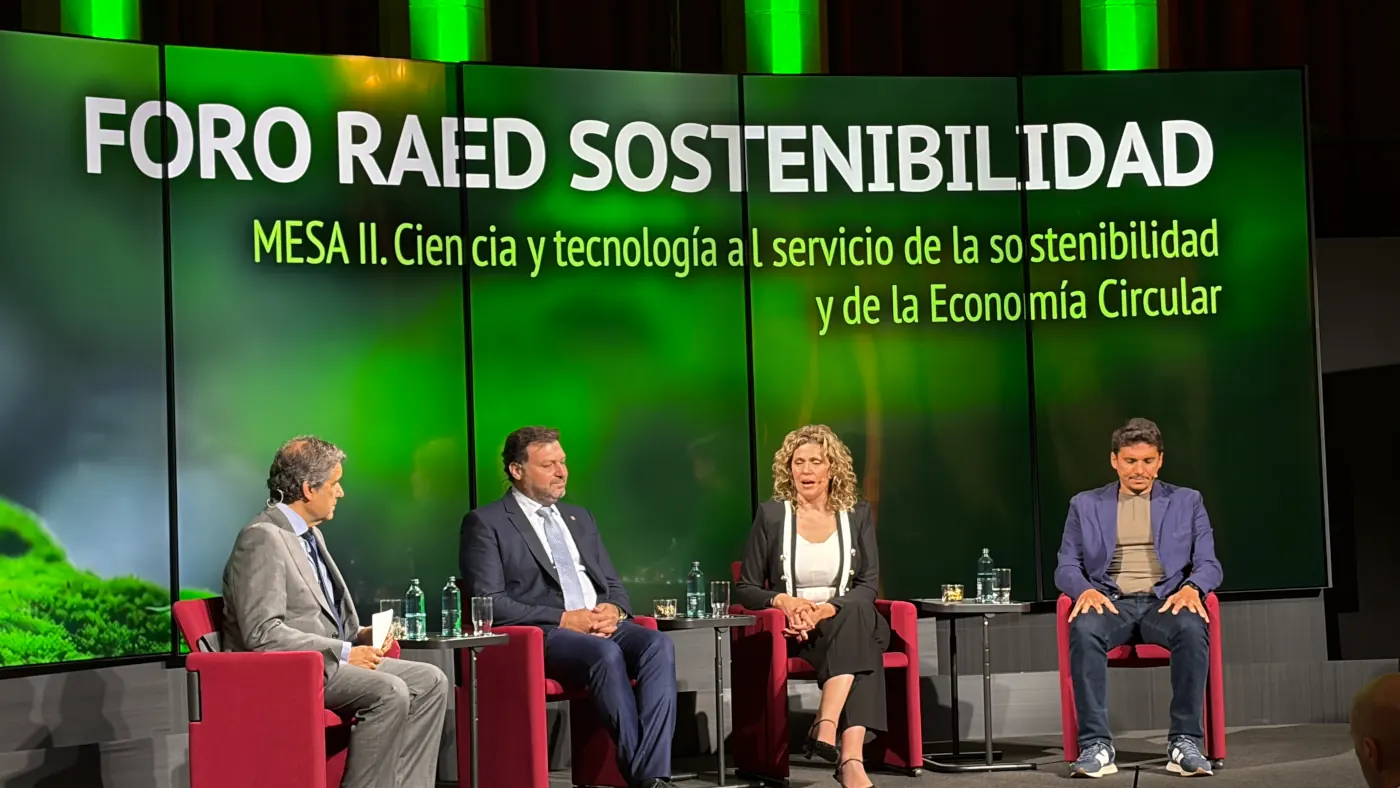
The first round table, entitled “Sustainability and transformation of the productive model”, featured José María Baldasano, Emeritus Professor of Environmental Engineering at the Polytechnic University of Catalonia and Numerary Member of the RAED; Eva Garrell, Director of Positive Impact Business Development at Ecointelligent Growth and founder of Acción en Verde; Daniel Cordeiro, Deputy General Manager and Director of Sustainability at Banco Sabadell; and Cinta Bosch, Sustainability Manager at the Association of Manufacturers and Distributors–AECOC. The second round table was held under the theme “Science and technology at the service of sustainability and the circular economy” and featured Jordi Martí, Professor of Economics and Accounting at the University of Barcelona, Director of the Master’s Degree in Non-Financial Information Assurance at the same university, and Numerary Member and member of the Governing Board of the RAED; David López, Dean of the Full-Time MBA programme at Esade Business School and Numerary Member of the RAED; Elisabeth Sansano, Medical Devices Manager; and Diego Ramos, co-founder and Director of Business Development at Sekond.
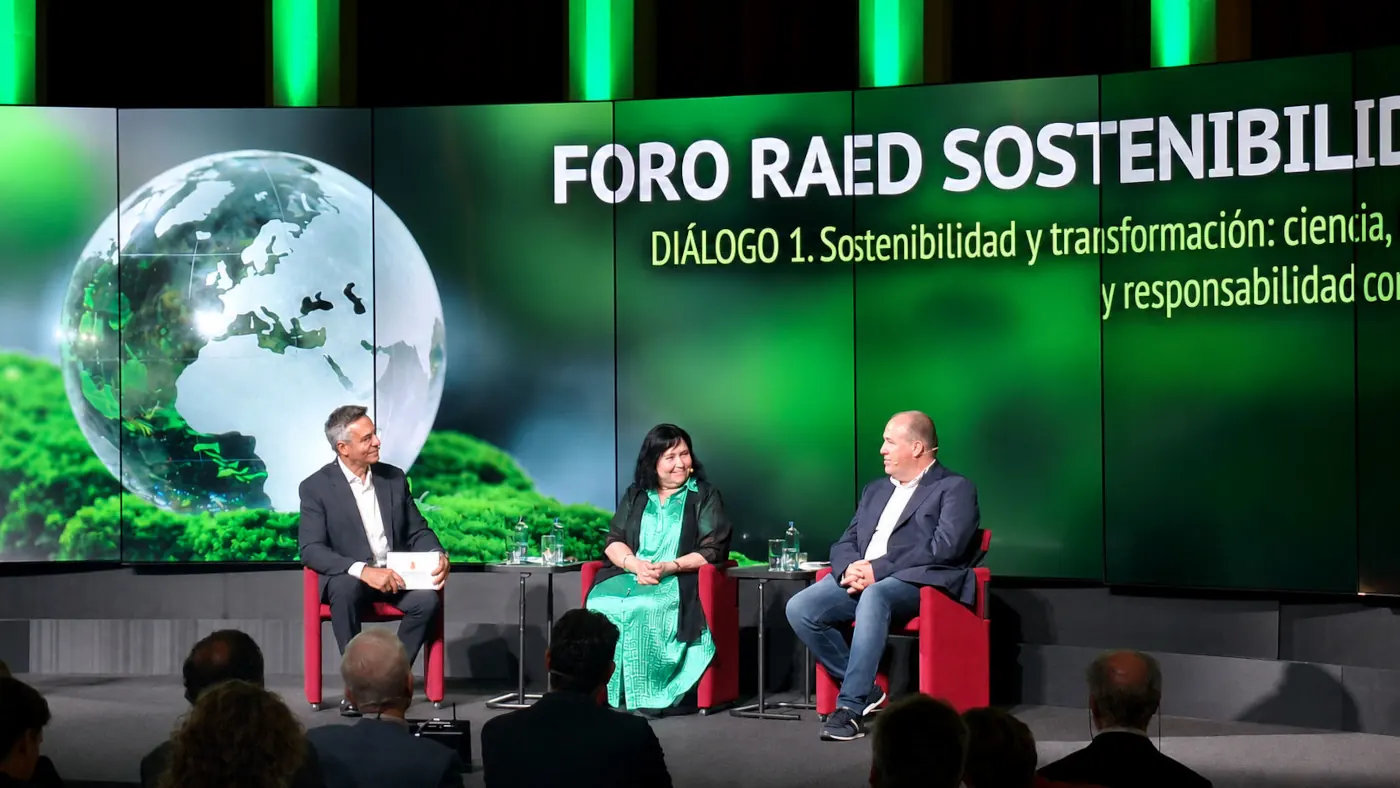
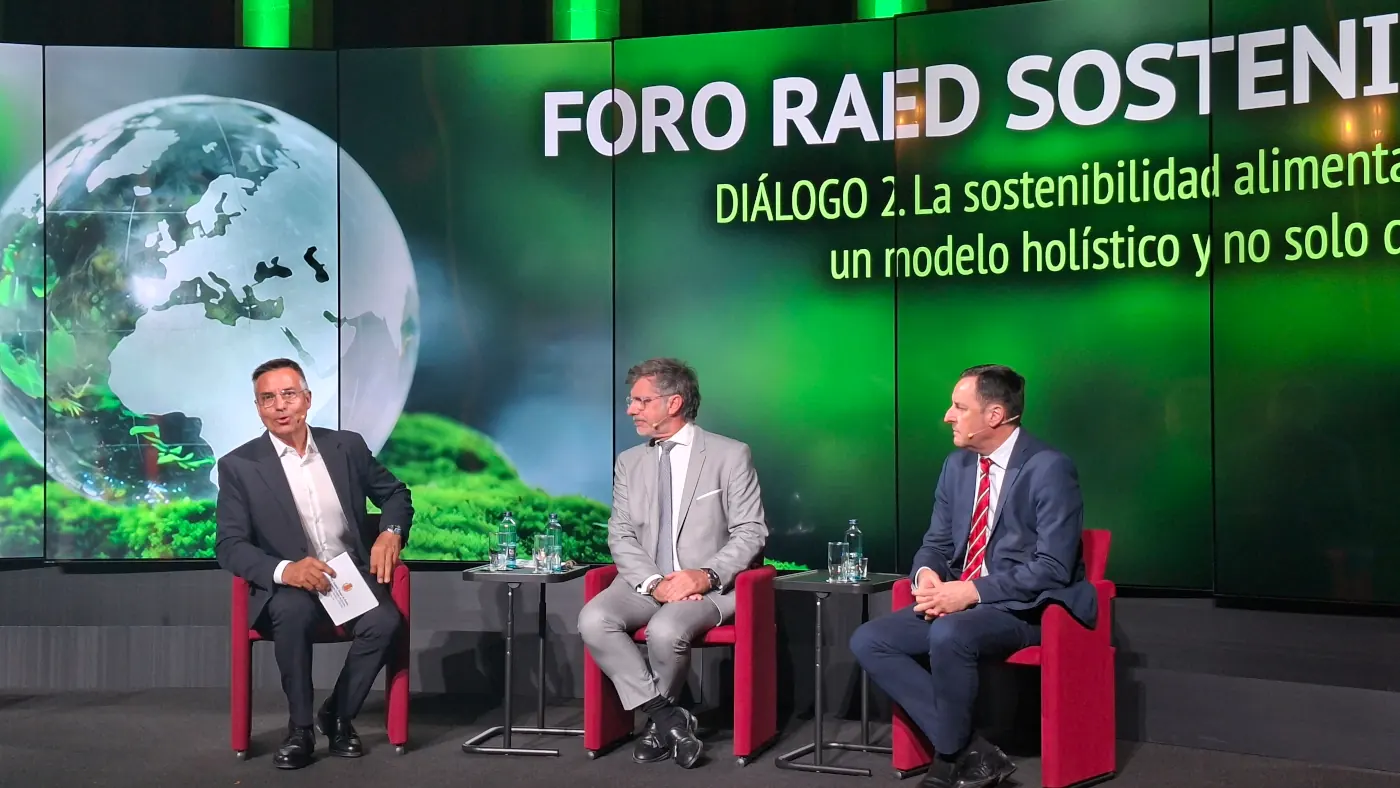
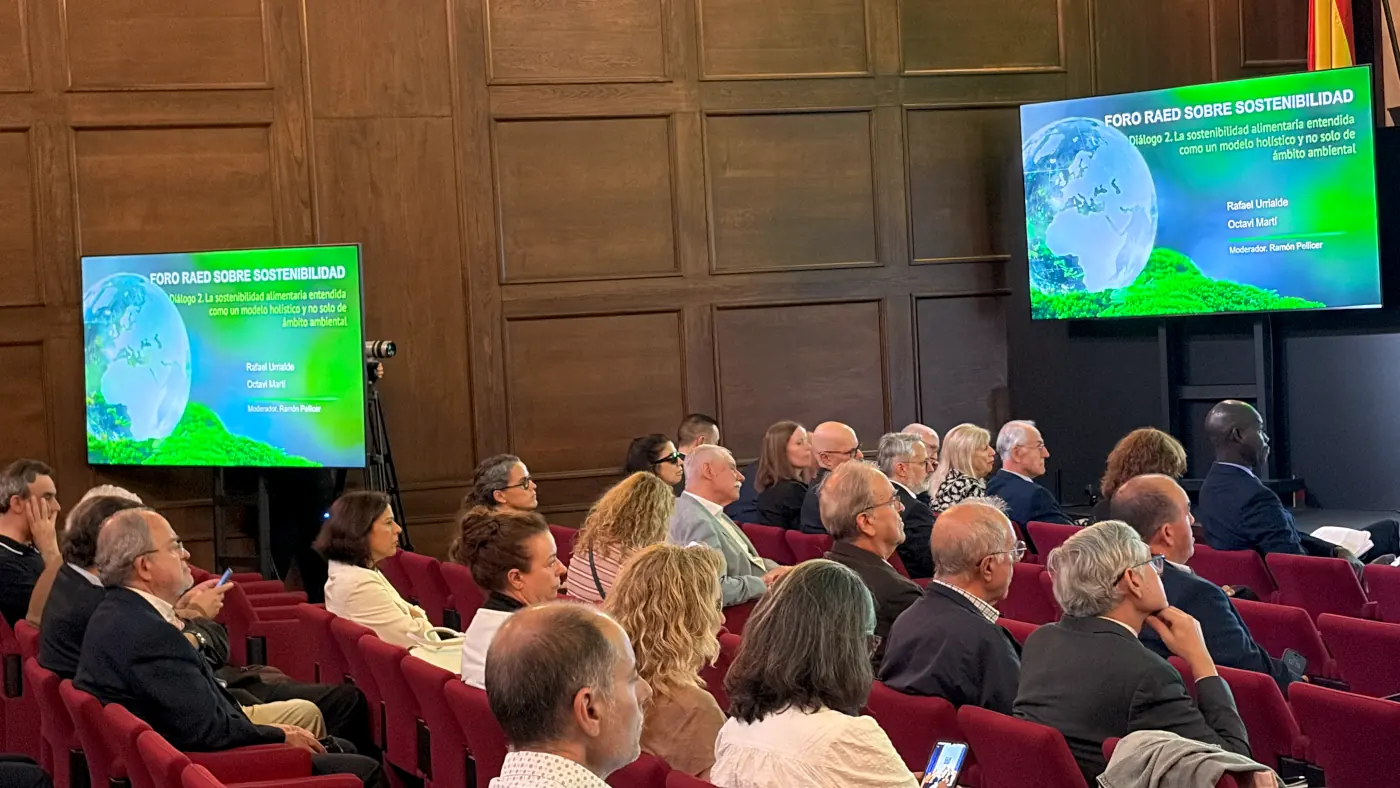
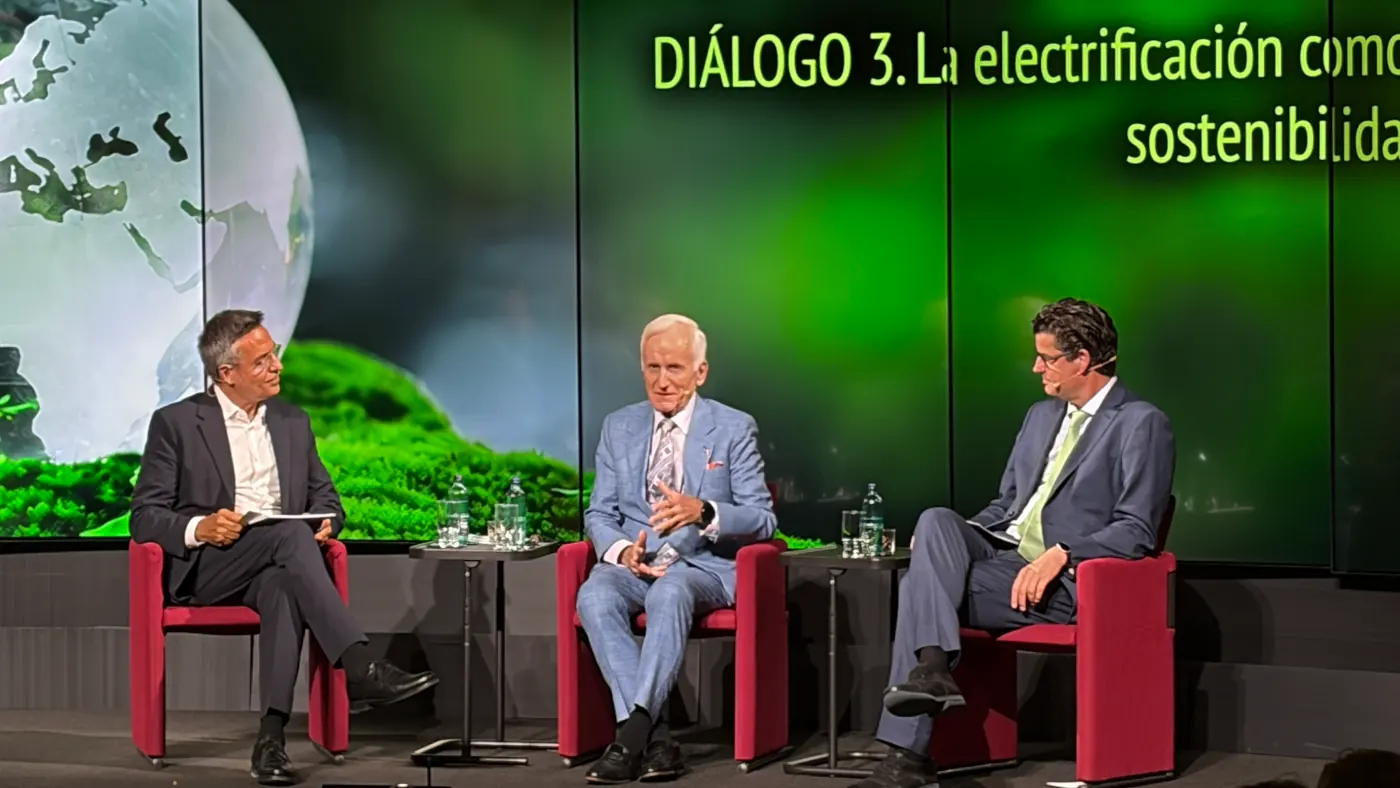
As regards the three dialogues between academics and business executives, aimed at analysing the different vectors converging in sustainability from a multidimensional perspective, the first was held under the title “Sustainability and transformation: science, industry and shared responsibility” and featured Maria Àngels Calvo, Professor at the Faculty of Veterinary Medicine of the Autonomous University of Barcelona and Numerary Member and Vice-President of the RAED, and José Antonio Campo, Chief Operating Officer of Ismax. The second, entitled “Food sustainability understood as a holistic model and not solely as an environmental issue”, brought together Rafael Urrialde, Professor at the Complutense University of Madrid and CEU San Pablo University, as well as Numerary Member and Vice-President of the Governing Board, and Octavi Martí, Chief Operating Officer of Damm. Finally, the third dialogue, “Electrification as a driver of competitiveness, sustainability and strategic autonomy”, featured Joaquim Gironella, medical co-director of the Laser Medical Rent centre and Numerary Member and Vice-President of the RAED, and Patxi Calleja, Director of Regulation at Iberdrola España. The event concluded with the presentation of its conclusions by Rodolfo Fernández-Cuellas, Professor at ESADE Law School and Numerary Member and member of the Governing Board of the Royal Academy.