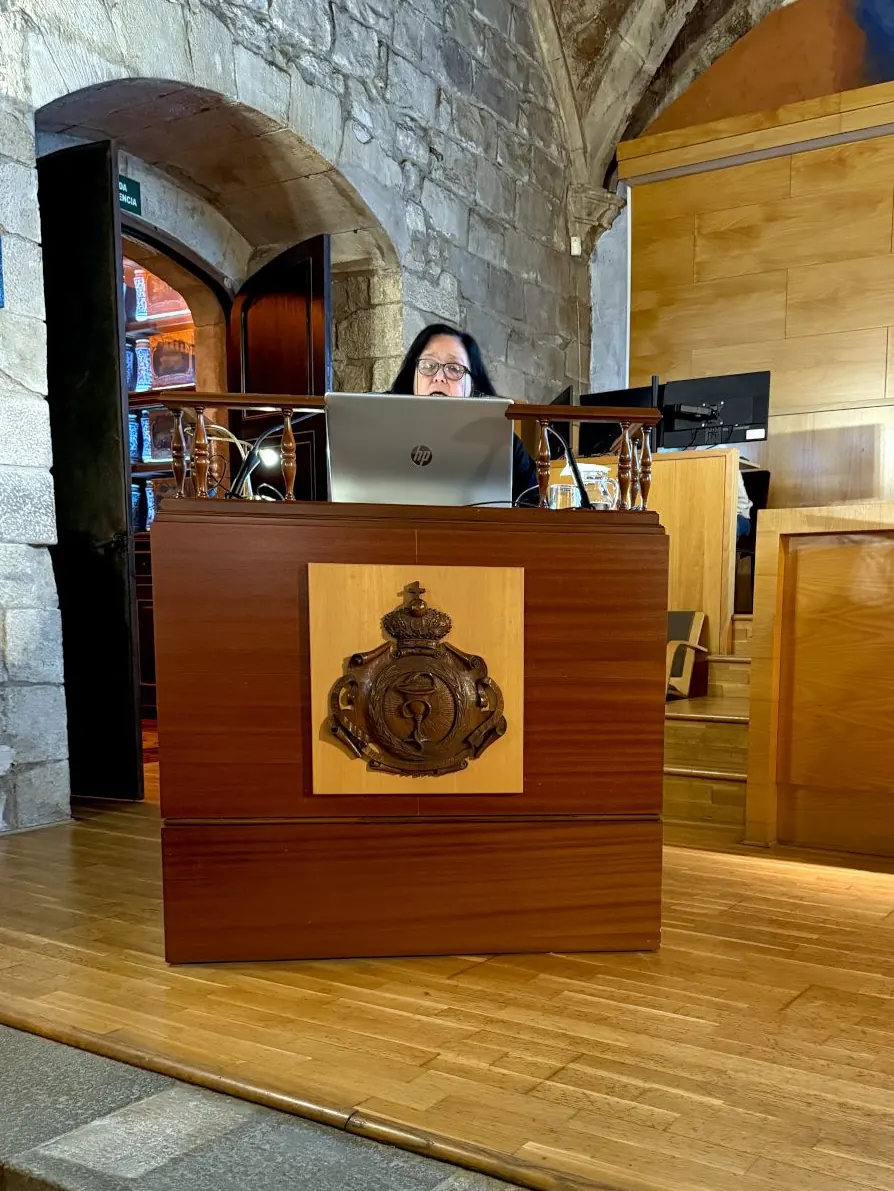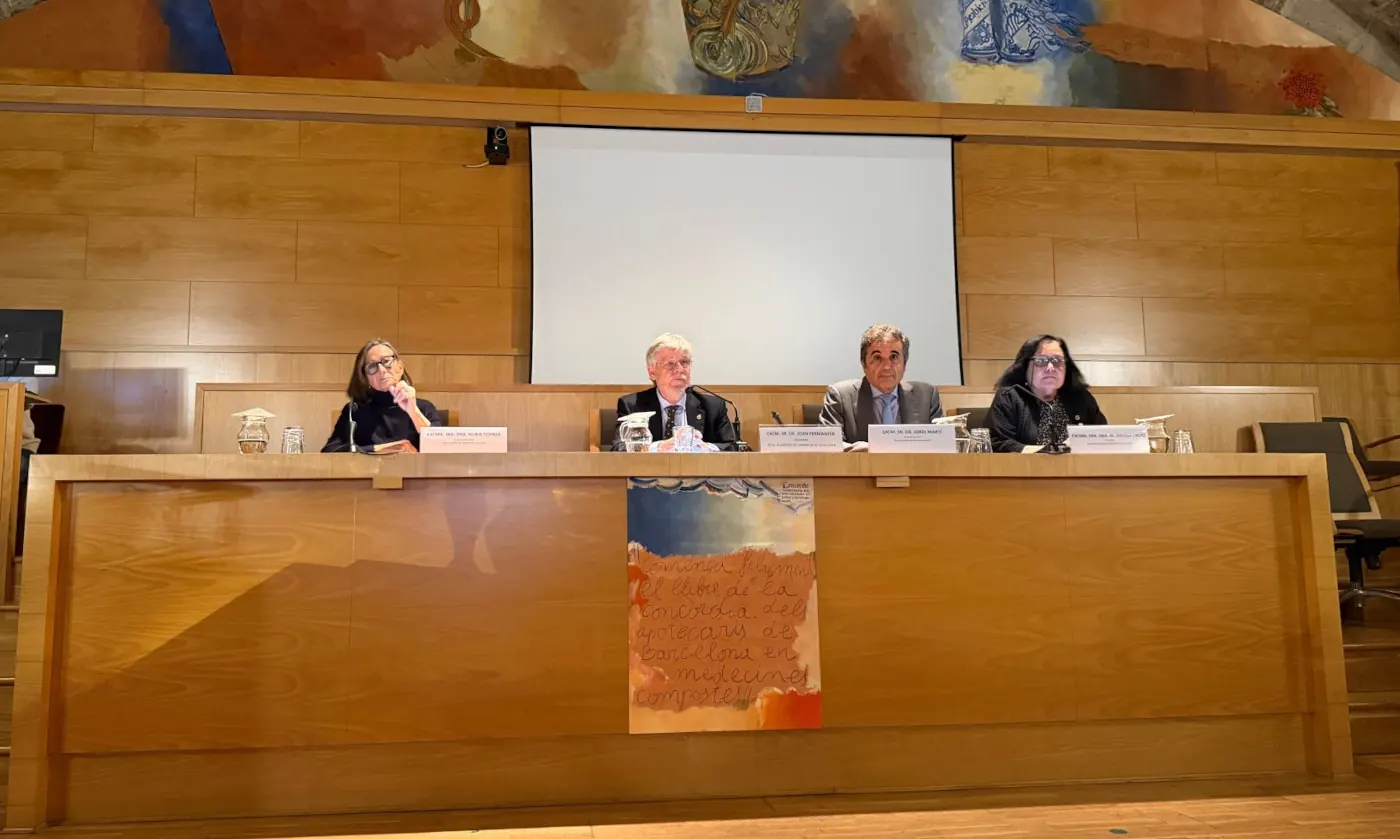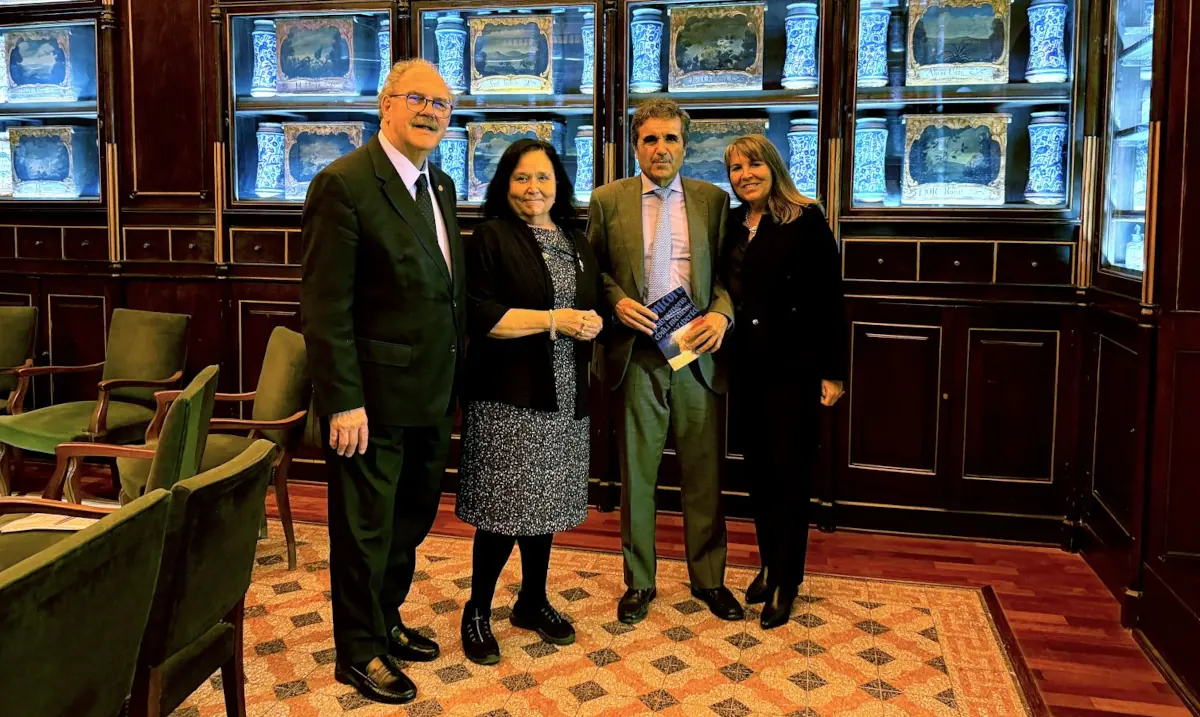


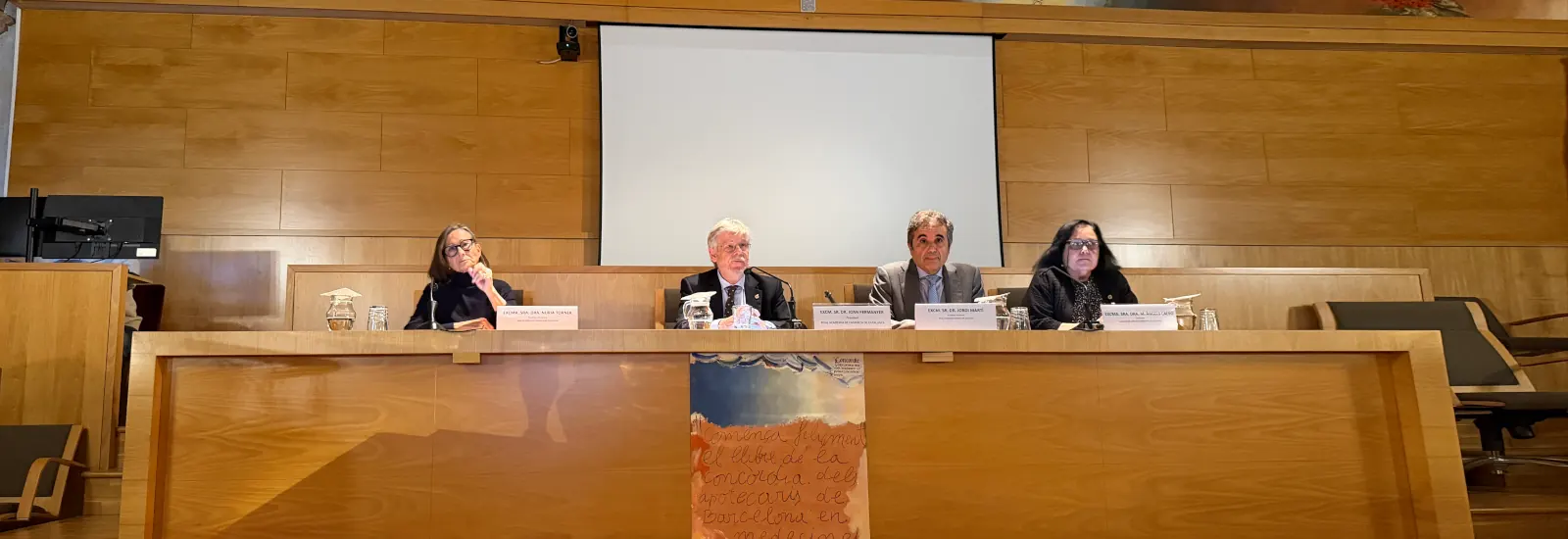
Calvo focused her contribution on the importance of the One Health concept—of which she is one of Spain’s leading pioneers—and called for integrated responses to counter the threat posed by zoonoses in the transmission of diseases that severely affect humans and have already caused devastating pandemics such as Covid-19. She also stressed the need for a multidisciplinary response to these public health challenges, since any disruption to the environment caused by human activity represents a risk that cannot be addressed solely from medicine or veterinary science. The RAED Vice-President was the driving force behind the article “Vaccine Hesitancy: A Challenge for Global Health,” the result of the recent and firm position taken by the Royal Academy of Pharmacy of Catalonia in strong support of vaccination campaigns as tools for preventing diseases and even pandemics. For her career and her steadfast defence of a holistic view of health, she was recognised by the specialised publication Animal’s Health with the Woman of the Year Award, honouring her as the most influential woman in Animal and Veterinary Health.
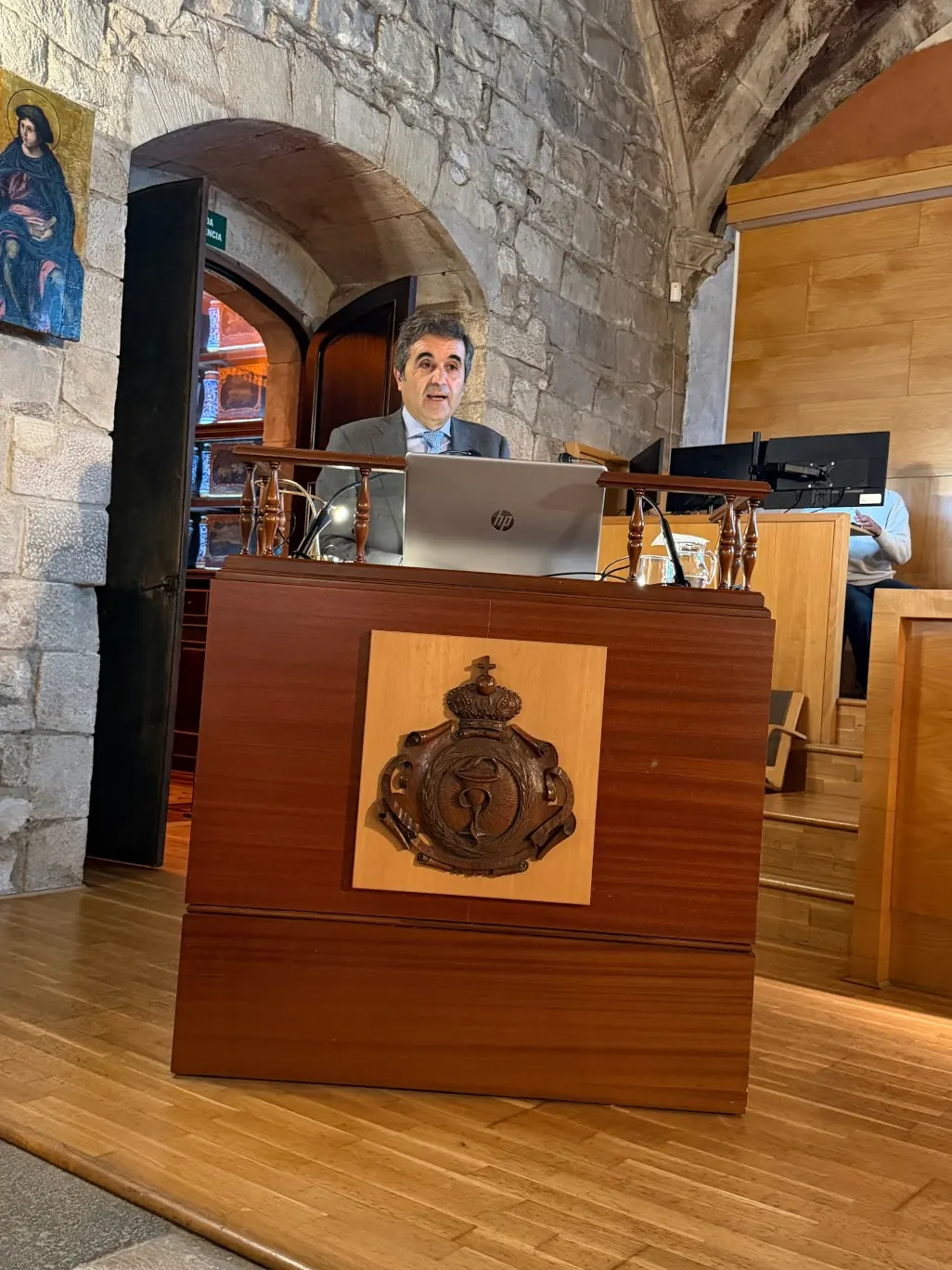
Martí, meanwhile, emphasised the interdisciplinary mission of the RAED, highlighting its strategic project Vital Challenges for a New Era, which includes global health as one of its central fields of interest. He stressed how, from an economic perspective, natural resources and human health must be considered essential forms of capital that require urgent protection after decades of unchecked growth at their expense. In modern business thinking, he explained, profit is no longer the sole priority; instead, companies are increasingly called to embrace environmental and social responsibility, where scientific outreach and the voice of civil society play a key role.
Torner concluded with a critical analysis of universal vaccination and the strategies needed to foster trust and shared responsibility, noting that vaccines are estimated to have saved millions of lives and are widely recognised as one of the greatest advances in the history of medicine. She recalled how once-lethal diseases such as smallpox are now eradicated after having devastated humanity for 3,000 years. Regarding anti-vaccine movements, she reviewed their historical roots and attributed vaccine hesitancy largely to misinformation. She noted that the World Health Organization considers vaccine hesitancy one of the major threats to public health and a major challenge for the scientific community to build an effective framework of trust.
The Week of the Academies also featured: the Catalan Academy of Gastronomy and Nutrition, with the session “Women and Catalan Gastronomy: Talent Has No Gender”; the Academy of Jurisprudence and Legislation of Catalonia with “The Academy and Catalonia’s Own Legal System”; the Royal Academy of Good Letters of Barcelona with “Awakening Historical Heritage Consciousness in 19th-Century Catalonia: The Role of the Academy of Good Letters”; the Royal Academy of Economic and Financial Sciences with “Humanistic Economics and Sustainability in the Age of Artificial Intelligence”; and the Royal Catalan Academy of Fine Arts of Sant Jordi, which held its academic-year opening session featuring the presentation of the Güell Foundation’s young artistic talent scholarships and the critical edition of Le petit chaperon vert by Catalan composer Joan Lamote de Grignon. The Week will conclude on 27 November with the session of the Royal Academy of Sciences and Arts of Barcelona. Earlier, on 3 October, the Institute of Catalan Studies and the Institute of Aranese Studies held a joint session marking the inauguration of the latter’s new delegation.