Why do we kill each other?
Pedro Rocamora inducted as an honorary member of the Royal Academy of Veterinary Sciences of Spain with the speech “¿Por qué nos matamos? Etología del conflicto en primates y en humanos”
Read More



Pedro Rocamora inducted as an honorary member of the Royal Academy of Veterinary Sciences of Spain with the speech “¿Por qué nos matamos? Etología del conflicto en primates y en humanos”
Read More
Francisco González de Posada presents his traditional seminar on cosmology as part of the University of Cantabria’s Summer Courses, which this time is entitled “Current Cosmology: Science and Philosophy”
Read More
Santiago Castellà receives the President Macià Award for Labor in recognition of the Port of Tarragona’s history and its contribution to the economic, social, and labor development of the region.
Read More
Javier Redondo, a renowned researcher in leukemia, epigenetics, and cell migration, received recognition from the Getafe City Council, the city where he resides, upon his recent induction into the Royal Academy of Epigenetics (RAED).
Read More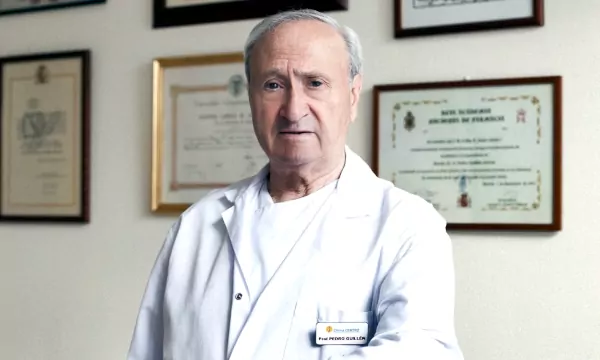
Pedro Guillén is recognized with one of the 2026 Admirable Awards given by the specialized publication “Diario Médico” for his scientific and professional career.
Read More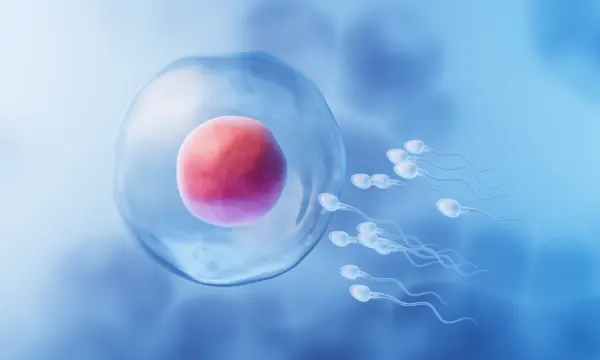
Marc Yeste, during his induction at the ACVC, analyzes how, in placental mammals, sperm morphology and physiology range from extremely complex forms to simpler structures, adapting to the environment of the female reproductive system.
Read More