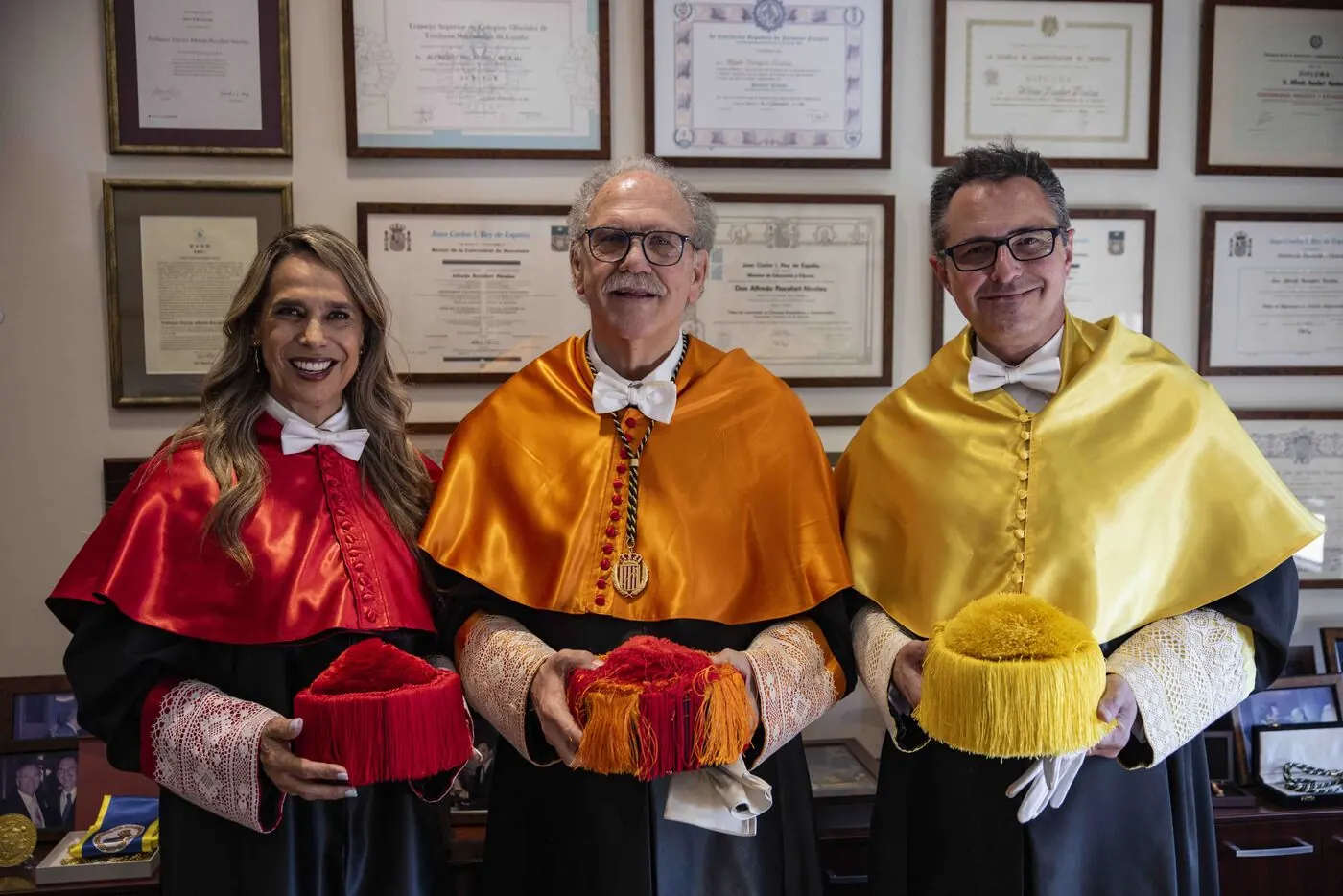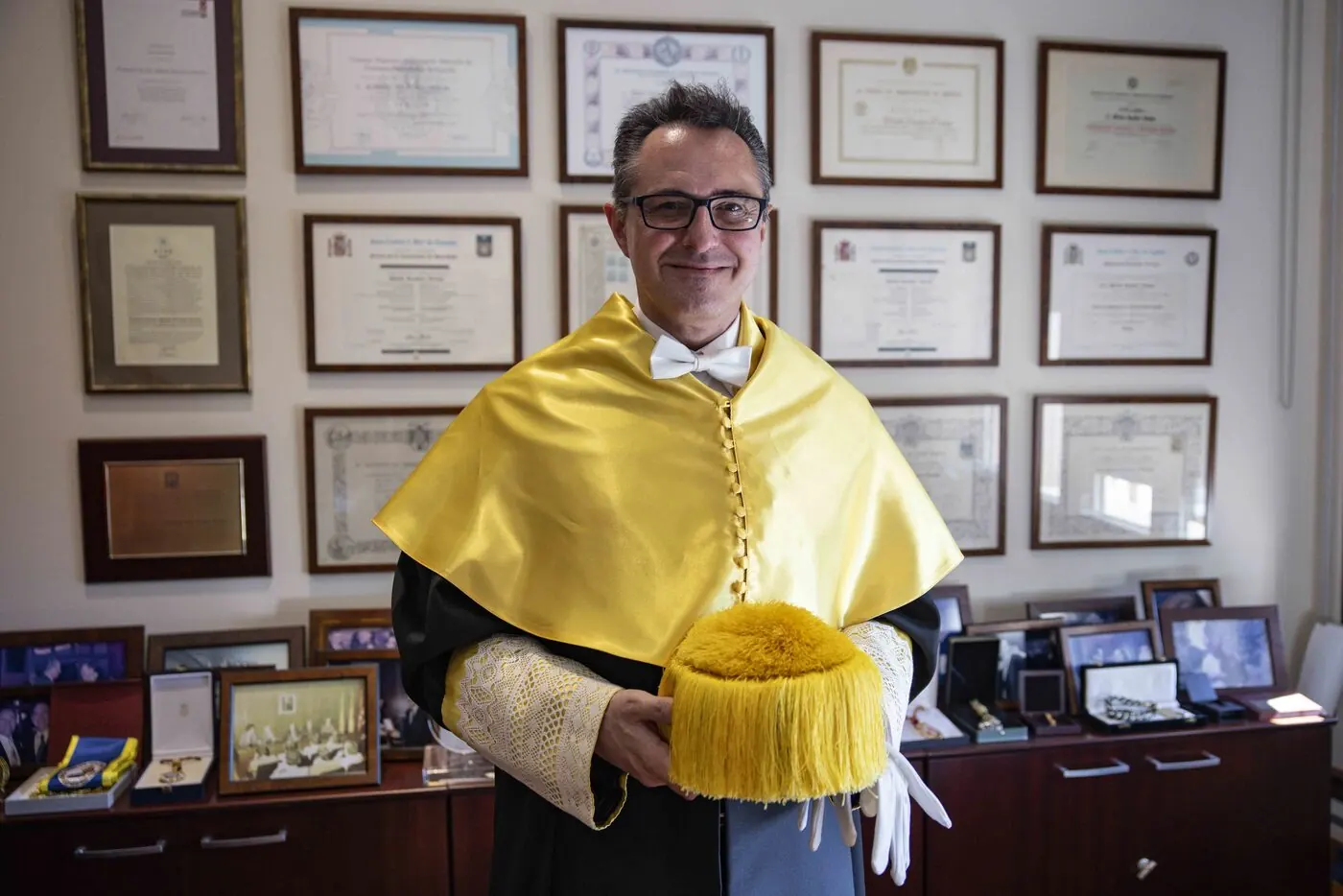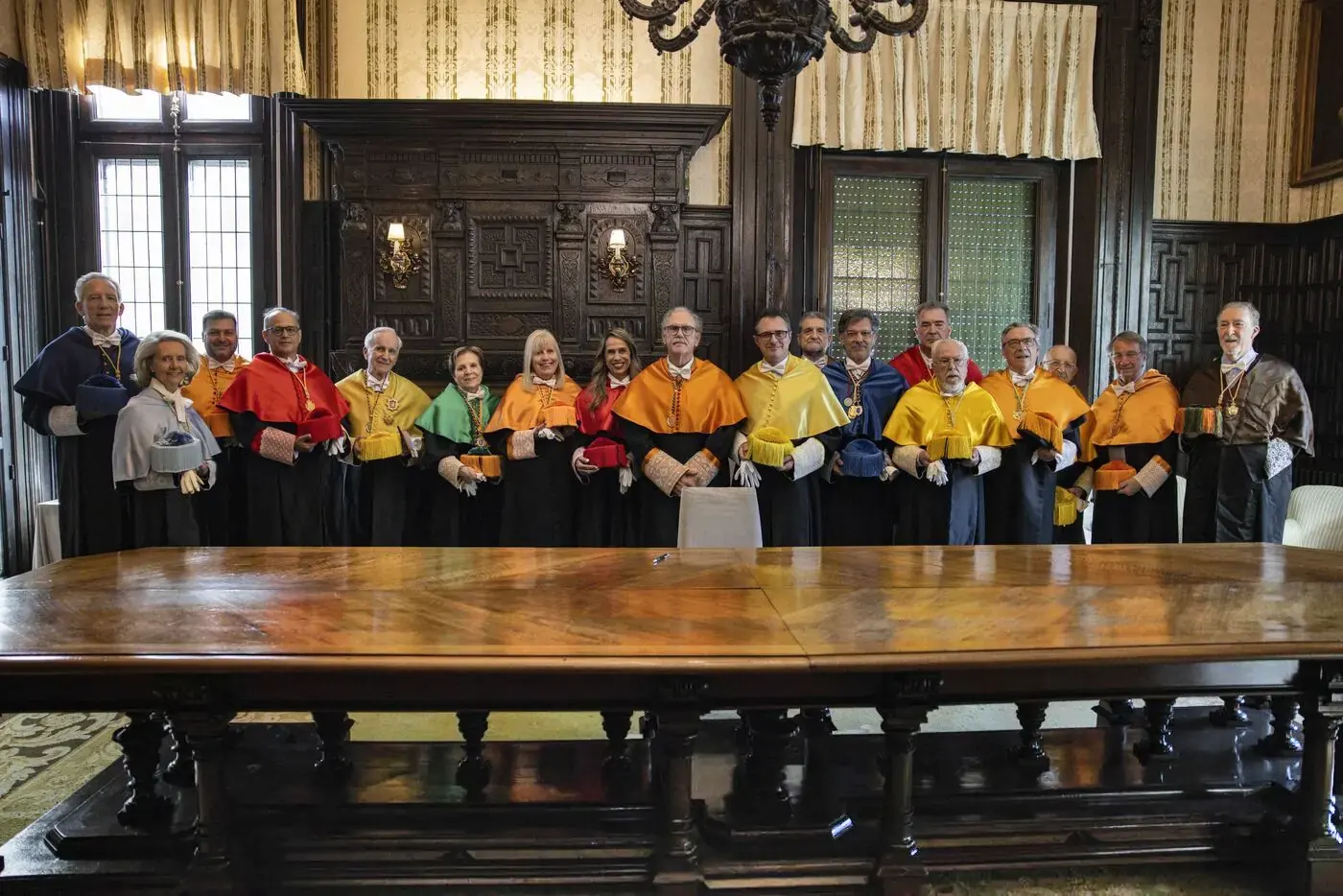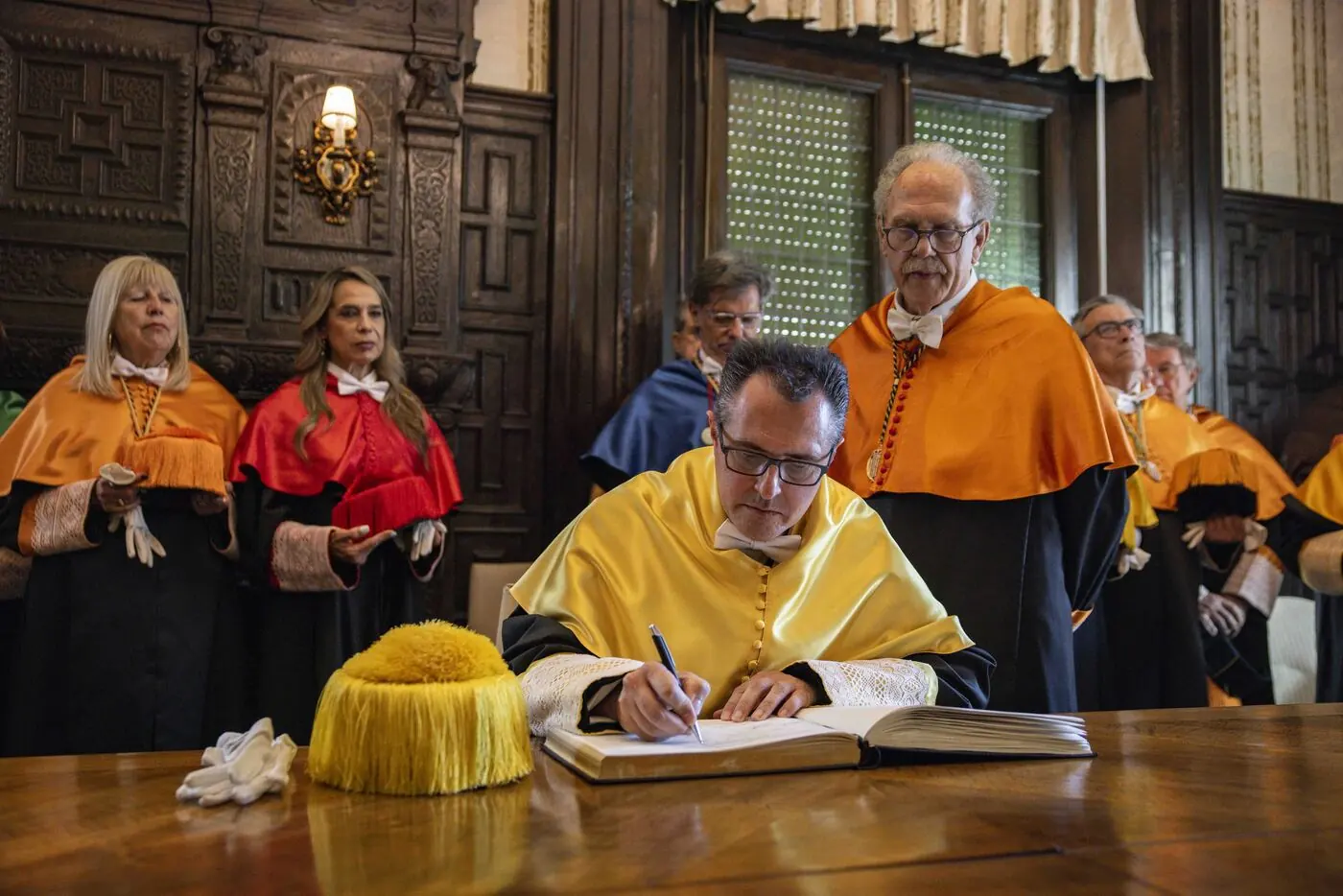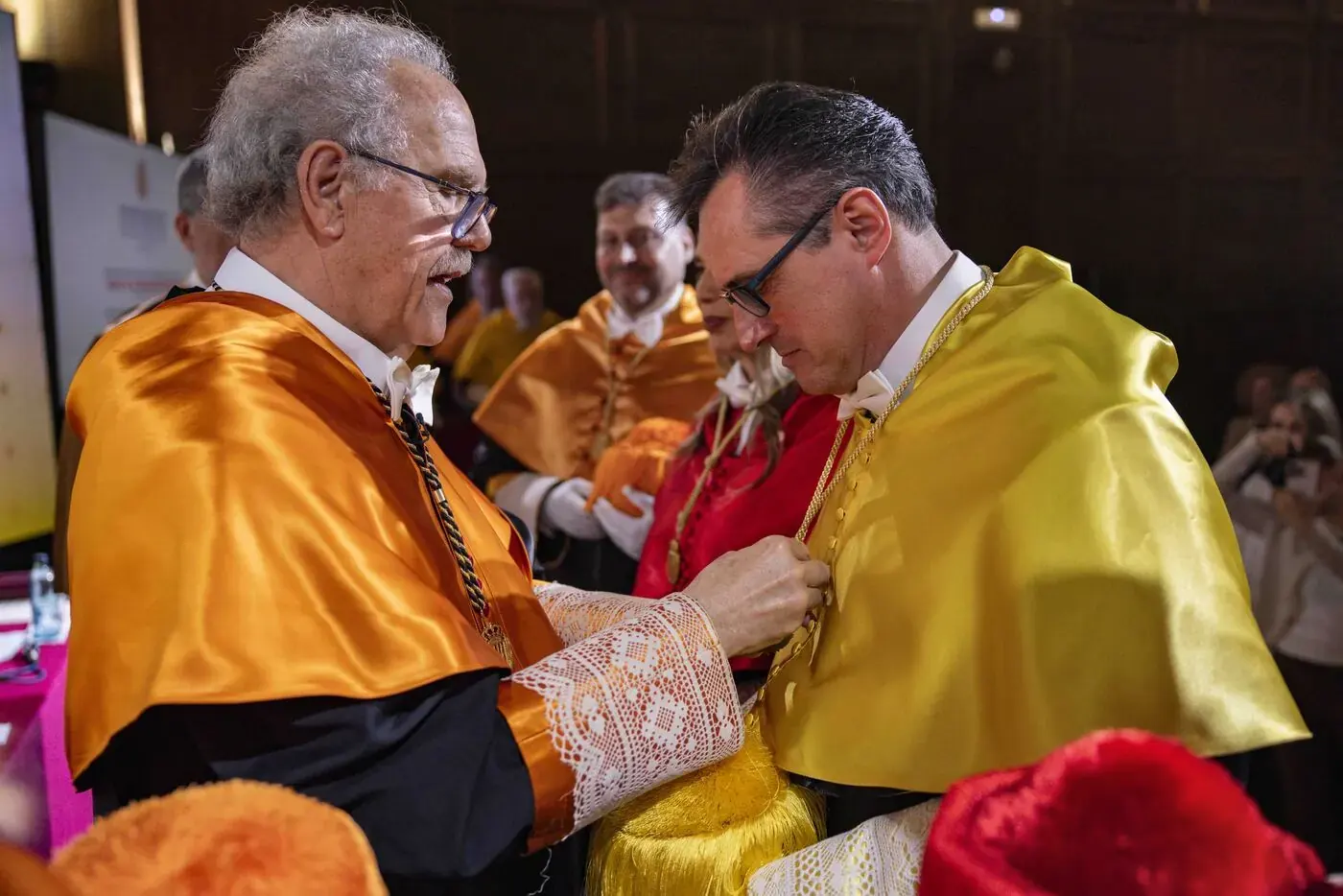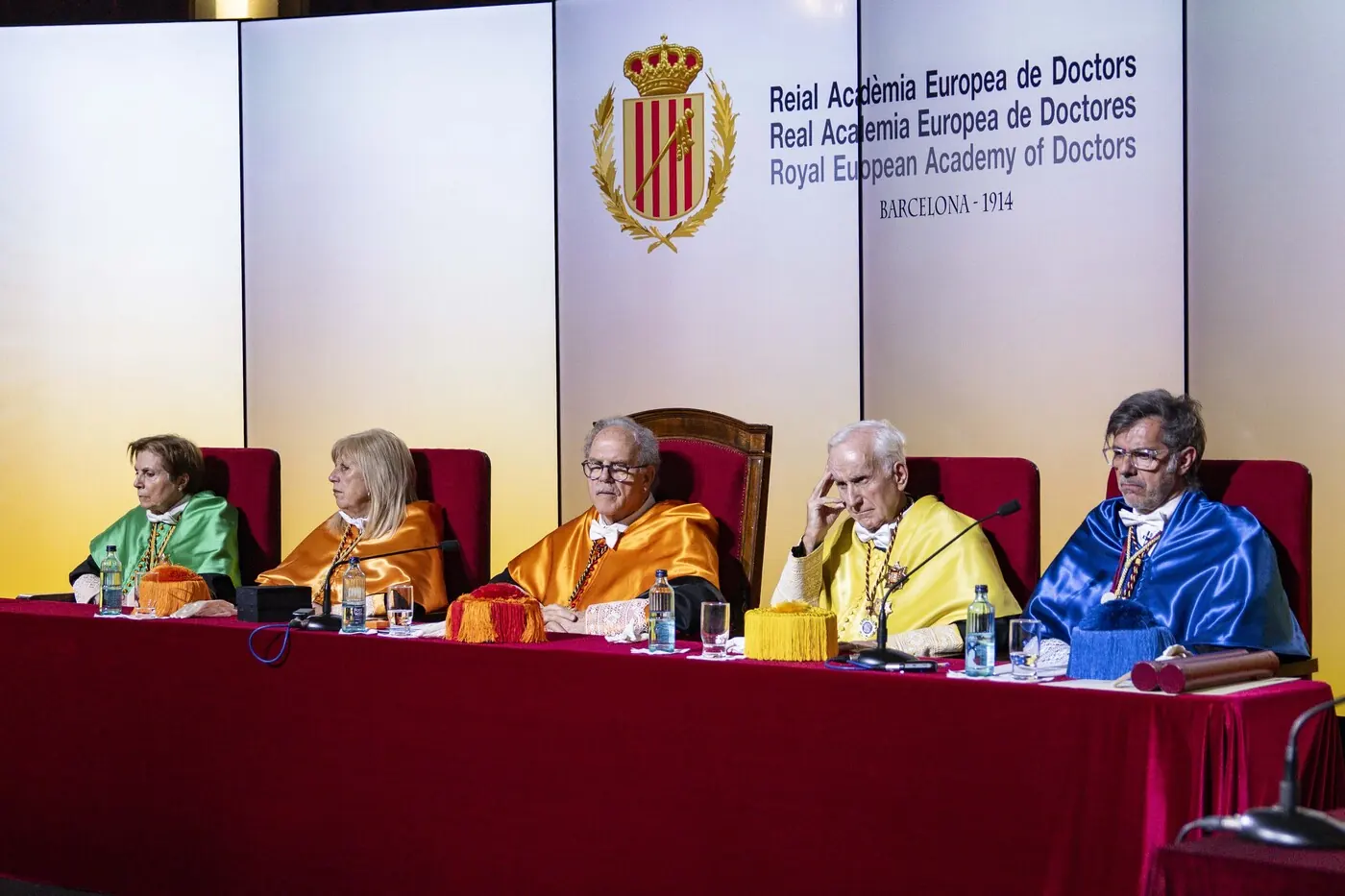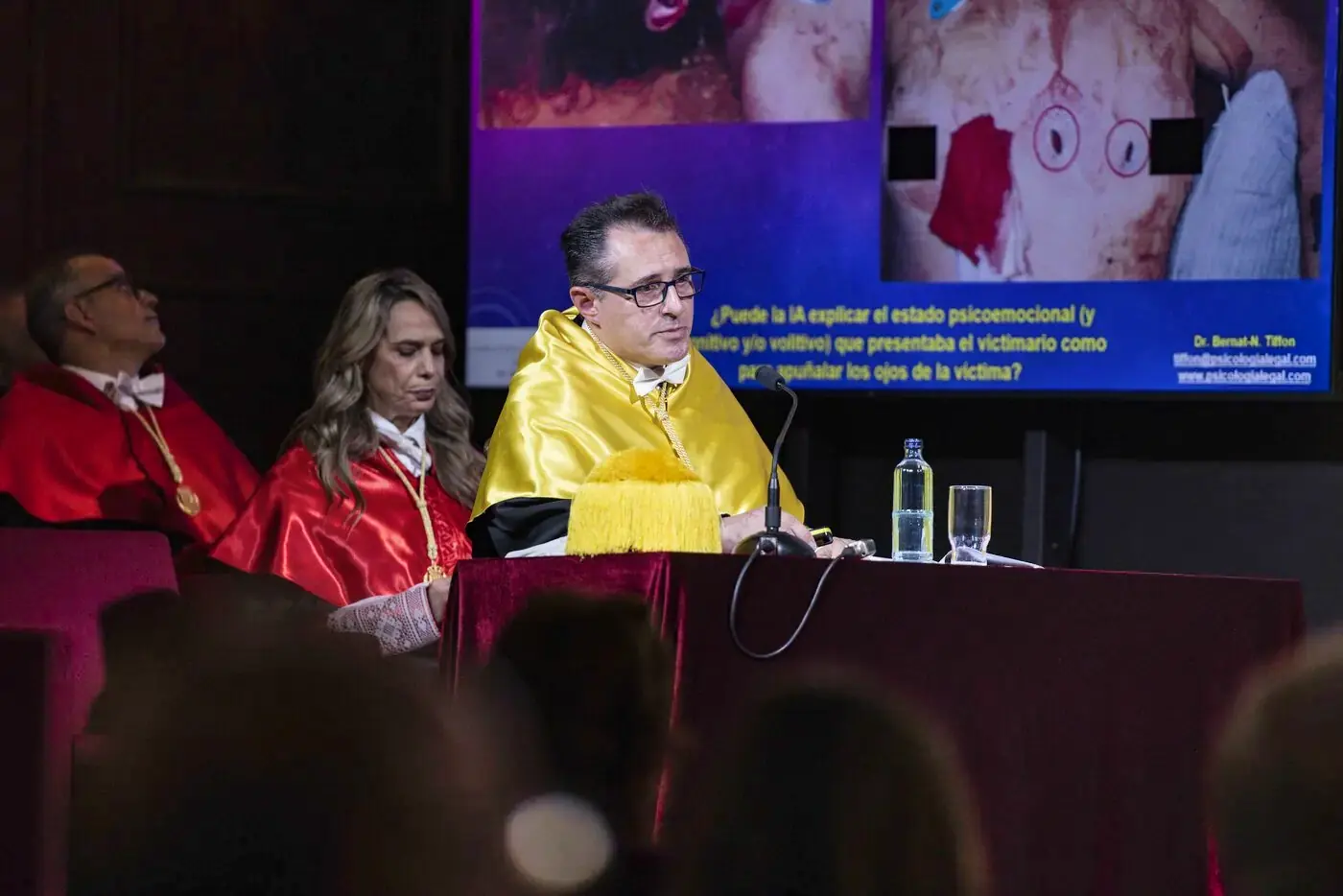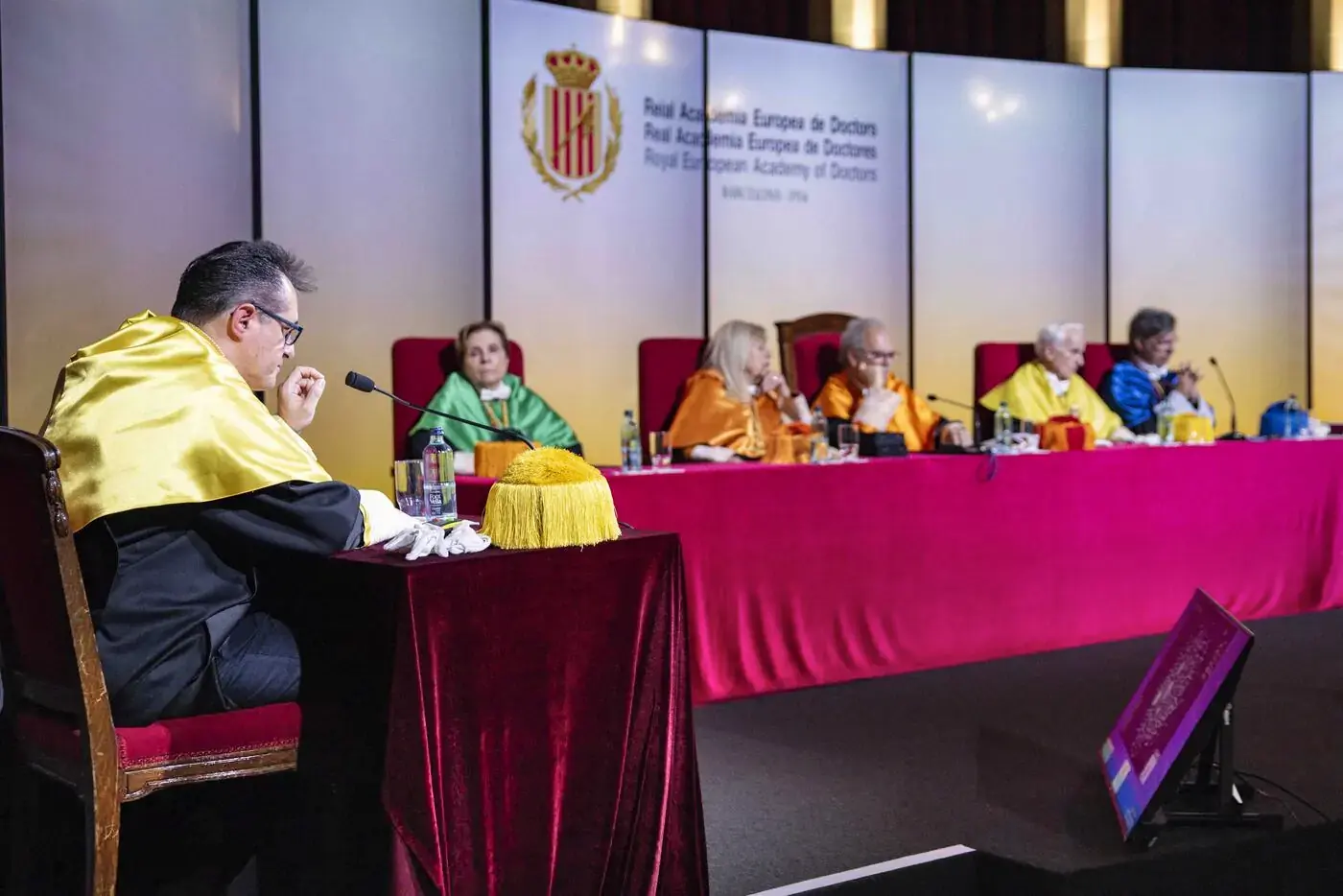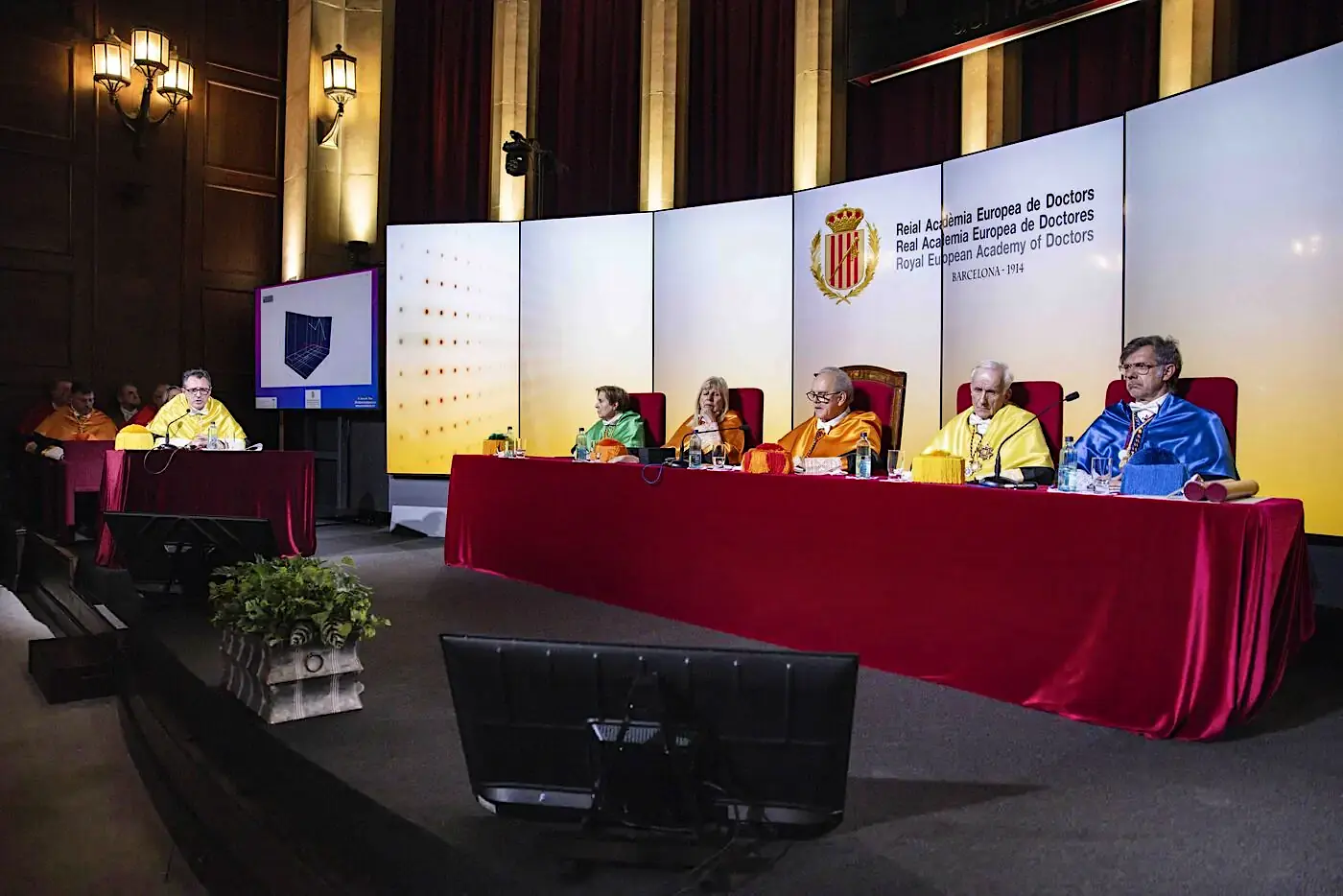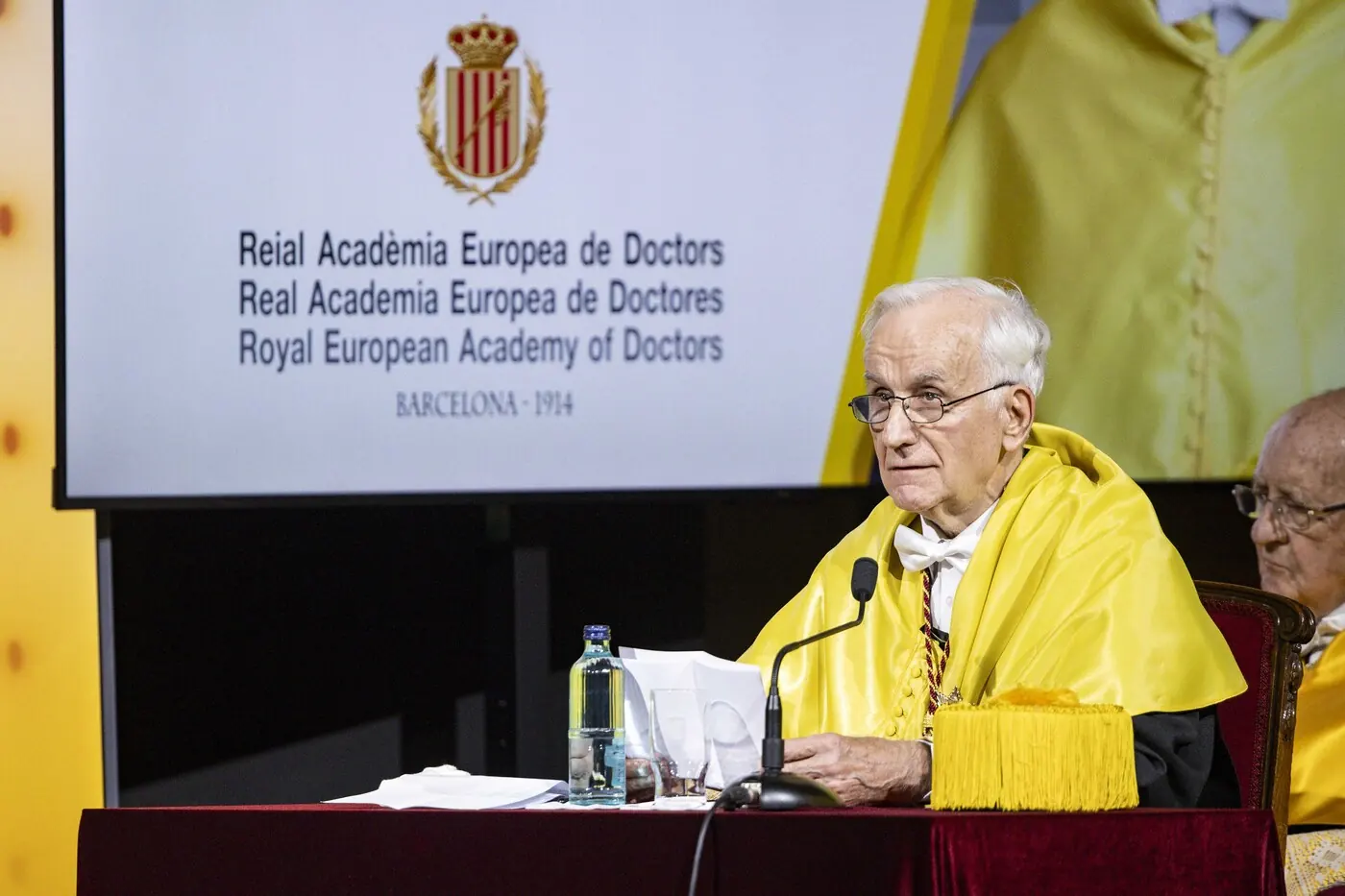



A recognised expert in legal and forensic medicine, the recipient began his address by asking whether artificial intelligence constitutes an indispensable ally or a rival capable of dehumanising forensic practice, presenting specific examples to illustrate how this disruptive technology could reconstruct criminological events, assess the cognitive and volitional state of the perpetrator, or analyse psychopathic motivation, while accelerating and objectifying expert work. In this regard, he reviewed advances in AI for assessing the risk of violence, citing promising studies. He also addressed ethical and deontological issues, stressing the need to maintain human supervision and professional responsibility.
Tiffon concluded by returning to the initial question and asking whether the profession and, by extension, criminal law, have in artificial intelligence a tool that enhances forensic science by facilitating analysis and reducing timeframes, or whether, instead, it represents a risk of dehumanisation and the loss of empathy and clinical judgement. At this point, he concluded that AI must be an ally, never a substitute, and that its use requires solid ethical and deontological frameworks guaranteeing effective judicial protection and respect for fundamental rights. “It is possible that in a more or less near future, changes will develop in the role of work, with the creation of new professional profiles of forensic psychologists who are experts in artificial intelligence. We must always ensure human supervision in its use, safeguard confidentiality, privacy and professional deontology, and employ AI always in favour of society,” he concluded.
A Professor of Legal Psychology at Abat Oliba University, Tiffon also promotes the Academy of Forensic Psychological Training, an online training centre aimed at preparing professionals in the field of legal, forensic and criminological psychology, which offers its courses in partnership with the Lafayette University Institute, a centre associated with the IMF European University Universitas Europaea-eUniv of the Principality of Andorra. Among his most recent scientific activities is his participation in the Congress on Responsible Gaming, organised by the Catalan Centre Association for Social Addictions and held on 9 April at the Barcelona Maritime Museum. Now in its 17th edition, the event addressed topics ranging from the profile of social addictions to the future of responsible gaming, with institutional, associative and business participation. The academic delivered the lecture “Psychopathology of Addictions and Forensic Consequences. Clinical and Criminological Analysis of Behavioural Addictions and Their Implications in the Judicial Sphere.”
He has taken part in criminological cases belonging to the contemporary history of Spanish crime reporting with wide scope and social impact, has taught at Spanish and international universities, and is the author of more than 20 books on the subject, in addition to being a recognised communicator of academic forensic psychology as a lecturer, organiser and manager of leading events and conferences in these fields. He holds national accreditation as an expert psychologist in legal and forensic psychology from the General Council of Official Colleges of Psychologists, and is a member of the American Academy of Forensic Sciences, the American Academy of Psychiatry and the Law, the Canadian Society of Forensic Science, the International Academy of Legal Medicine, the French Association of Criminology and the Mexican Society of Criminology. He has published the work “The Tiffon Saga: from Romance-language Surgery to Forensic Psychiatry and Psychology. The Investigation of a Historical, Medical and Social Family Journey across Three Centuries” (J.M. Bosch Editor), in which he retraces a long and intense family career devoted to medicine and psychology.
Speech: “Artificial Intelligence (AI) and Criminal and Forensic Psychology: Ally, Rival, Ethics and Deontology? Are We on the Right Path?”