

Dr Carlo Maria Gallucci
Carlo Maria Gallucci, Professor at Ramon Llull University, lecturer at Esade Business School and academic on leave from the Royal European Academy of Doctors (RAED), has been appointed the new Director General of the Università Cattolica del Sacro Cuore, Europe’s largest private university, headquartered in Milan and with campuses in the Italian cities of Brescia, Piacenza, Cremona and Rome, where it operates the Gemelli University Hospital, one of the country’s most prestigious hospitals and the Vatican’s reference medical centre. Gallucci has also been recognised with the Healthcare Quality Management Award granted by the Spanish Society of Periodontology and Osseointegration.
A recognised expert in marketing, understood both as a business philosophy and as an action-oriented process that sets the pace of the economy and decisively influences its development, the academic has been a key figure in the international projection of Esade and Ramon Llull University, where he became Vice-Rector. He leaves behind a university ecosystem that he describes as consolidated and of an excellent standard. It is a mixed model of public and non-profit private universities that compete and collaborate at the same time, capable of attracting students from all five continents and integrating foreign lecturers, researchers and administrative staff. That experience, he argues, is now an asset he intends to bring to his country of origin.
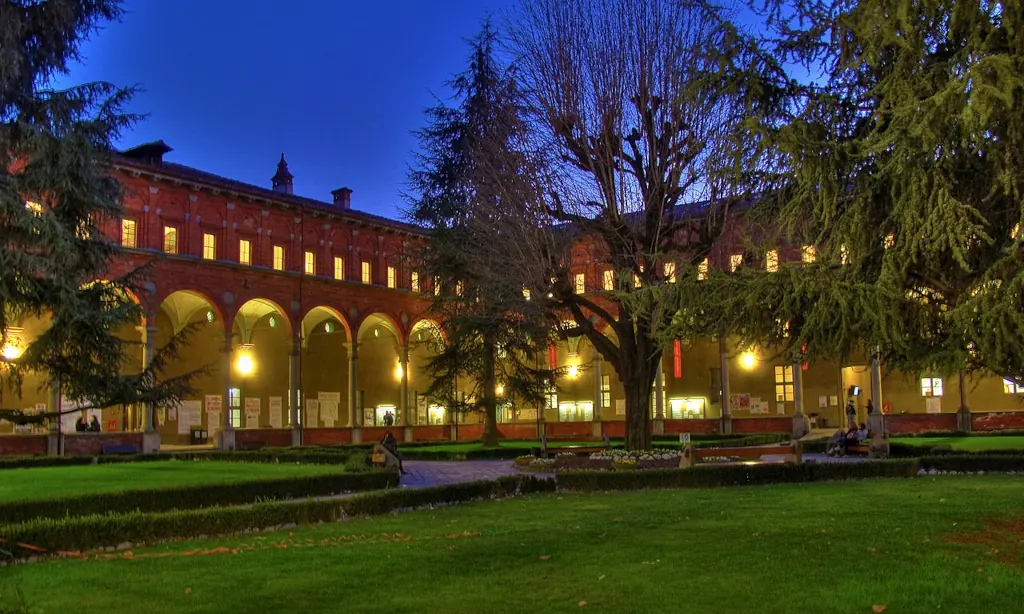
Università Cattolica del Sacro Cuore. Gabriele Barni from Monza, Italy, CC BY-SA 3.0, via Wikimedia Commons
His main assignment over the next three years will be to drive the 2026-2028 Strategic Plan of a complex institution with almost 50,000 students. “A great university that still has major opportunities for development,” he says. In an increasingly secularised Europe, he defends the profile of the Catholic university as an institution open to everyone, regardless of the faith and culture of those who come to it. Quality education, he says, must be underpinned by values that enrich the individual and make them an agent of a fairer and more socially responsible world. The same spirit, he adds, must guide research, with pride in the institution’s mission.
In his first impressions following the appointment, which will take effect in October, the new Director General places the emphasis on people. Human capital, he argues, is the university’s true asset. His first step will therefore be to get to know the institution’s different profiles, their characteristics and their needs, in order to develop specific value propositions. He wants every member of the university to enjoy their work and find opportunities for personal and collective growth. The criterion, he stresses, will be meritocracy: “Anyone who wants to progress will be able to do so,” he says. The model he advocates is one of professionals who are also good people, capable of working as a team, accepting constructive disagreement and maintaining mutual respect, following the governance model he has led to date.