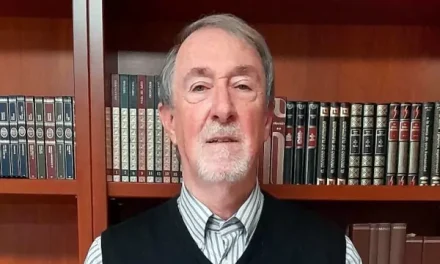



Dr. Marc Yeste
Marc Yeste, director of the TechnoSperm Centre for Reproductive Biotechnology, researcher at the Catalan Institution for Research and Advanced Studies, professor of Cell Biology at the faculties of Medicine and Nursing of the University of Girona, and full member of the Royal European Academy of Doctors (RAED), was inducted into the Academy of Veterinary Sciences of Catalonia on 21 May with the address “The Complexity-Simplicity Binomial and the Sperm Cell: The Case of Eutherian Mammals”, in which he presented the latest research conducted with his team. The study analyses how, in placental mammals, sperm morphology and physiology range from extremely complex forms to simpler structures in order to adapt to the environment of the female reproductive tract. Yeste’s induction received coverage from both the University of Girona’s communication channels and the “Diari de Girona”.
In his address, the academic explained that, although evolution has traditionally been understood as a process that drives the development of increasingly complex structures, the reproductive biology of placental mammals, or eutherians, reveals a fascinating balance between complexity and simplicity. In species where sperm competition is intense, when the gametes of several males compete within the female reproductive tract, sperm cells tend to develop highly elongated heads and elaborate flagella that enable them to achieve greater speed and penetration capacity. In other cases, however, evolution has favoured smaller and simpler morphologies that optimise metabolic efficiency and motility, demonstrating that simplicity can also be a winning strategy.
The expert explained that these characteristics are the result of highly specific selective pressures, as the female reproductive tract acts as an extremely demanding filter: sperm cells must survive cervical mucus and other hostile barriers, which directly shapes their morphological design.
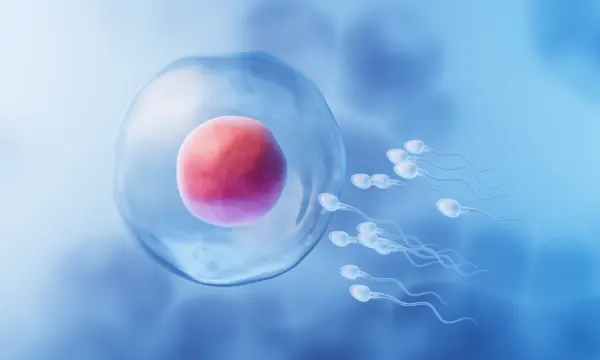 Furthermore, females exert cryptic selection that favours certain types of ejaculate. According to research by the TechnoSperm group, the sperm cell cannot be understood as an isolated cell, but rather as part of an integrated system in which ejaculate quality and the species’ metabolic rate play a fundamental role. This evolutionary dynamic reveals that nature does not always favour complexity: efficiency and energy economy can sometimes prove more advantageous. The findings open up promising avenues for improving assisted reproduction techniques, where understanding these mechanisms could optimise sperm selection and handling in fertility treatments.
Yeste also directs the Institute of Agri-Food Technology at the University of Girona and teaches on the Master’s Degree in Clinical Embryology at the University of Oxford. His research has focused on the reproductive biology of different mammalian species. He has published more than 260 articles and 20 book chapters on the subject and has participated in more than one hundred research projects and contracts with companies. He coordinates the Consolidated Research Group in Reproductive Biotechnology of the Government of Catalonia, jointly developed by experts from the University of Girona and the Autonomous University of Barcelona.