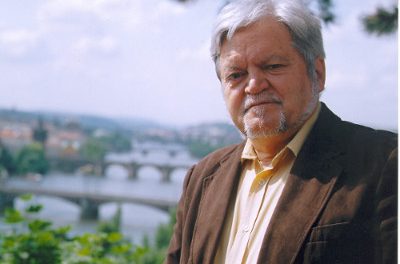


Maria Àngels Calvo, Professor at the Faculty of Veterinary Medicine of the Autonomous University of Barcelona, President of the Academy of Veterinary Sciences of Catalonia, Full Member of the Real Academia de Medicina de Cataluña and the Real Academia de Farmacia de Cataluña, and Full Member and Vice President of the Royal European Academy of Doctors (READ), took part on January 5 in one of the sessions of the Virtual Aula of the Academy of Sciences, Engineering and Humanities of Lanzarote. Under the title “Recent Infections in Animal Health: Possible Effects on Human Health”, the expert reflected on the emergence and re-emergence of diseases affecting livestock and other farm animals, and introduced the One Health concept, highlighting the importance of addressing disease prevention from a comprehensive and integrated perspective. The Virtual Aula is directed by José Ramón Calvo, Full Member and President of the Institute for International Cooperation of the READ, and Full Member and Vice President of the Academy of Lanzarote.
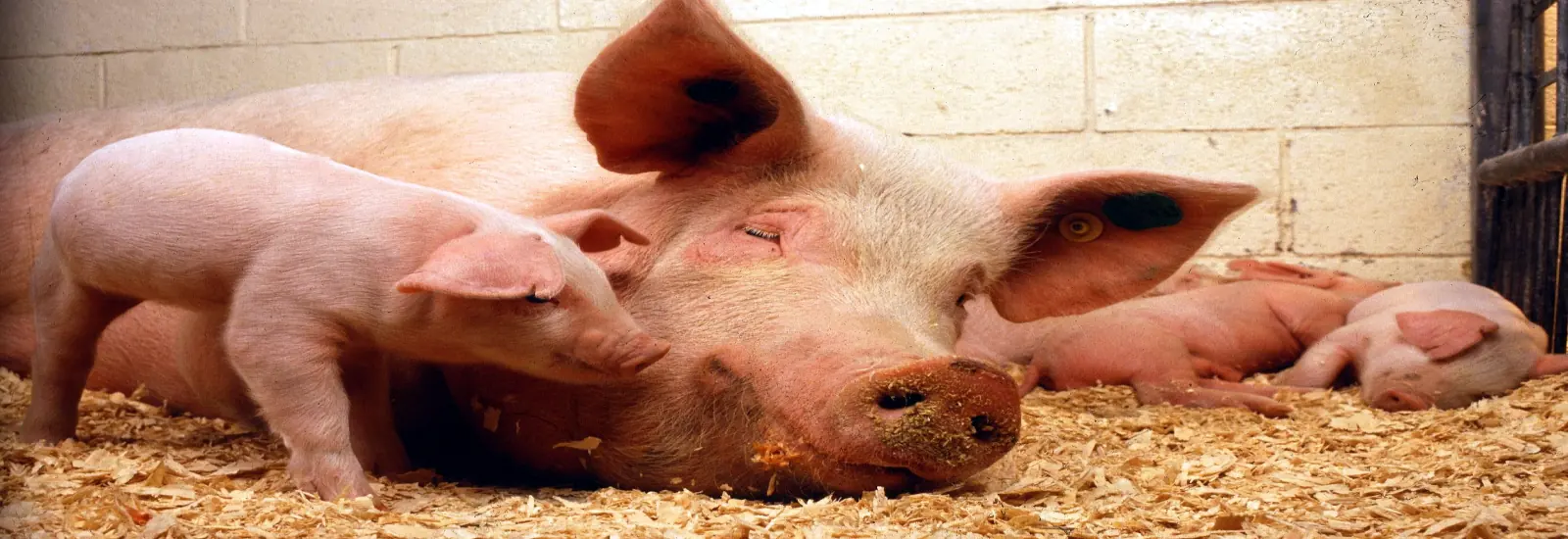
The speaker referred to recent epidemic outbreaks in the animal kingdom—avian influenza and African swine fever—and their possible consequences beyond the veterinary field, emphasizing how these processes are influenced by factors such as globalization, climate change, and the movement of animals and people. Throughout her presentation, she stressed the importance of epidemiological surveillance, early detection, and coordination between public authorities and the scientific community to prevent major health crises. She also pointed out that animal health problems not only have an economic impact on the agricultural sector, but may also lead to risks for public health and food safety, reinforcing the need to apply the One Health approach, which integrates animal, human, and environmental health.

Dra. M. Àngels Calvo
In addition, the academic continued her series of interventions on the current situation of these outbreaks as a leading expert on the radio program “El Matí” on Catalunya Ràdio, where, together with fellow expert in animal virology Toni Gabaldón, a professor at the Institute for Research in Biomedicine of Catalonia, who was responsible for sequencing the African swine fever virus affecting wild boar populations in the Barcelona area, she presented hypotheses regarding the origin of the virus responsible for this outbreak, as well as its evolution. Although judicial investigations are still ongoing and confirmation from reference laboratories is pending, the authorities currently point to the possibility that the introduction of the virus may have been due to external causes that are difficult to trace, such as the entry of contaminated material, with no confirmed hypothesis to date.
The Vice President of the READ received recognition on October 20 from the Official College of Veterinarians of Barcelona during the gala held at the Maritime Museum of Barcelona to commemorate the 125th anniversary of the institution’s founding. Calvo was the pioneer in introducing the One Health concept in Spain and last year participated, representing the veterinary profession, in a scientific session held under the same theme: “One Health. A Transdisciplinary Approach”. The event took place at the Spanish Senate, organized by the Royal Academy of Veterinary Sciences of Spain, and underscored the importance of addressing public health in an integrated manner, with veterinary medicine as an essential component of public health, given the cases of zoonoses that ultimately affect humans—the most recent being COVID-19. She was also recognized by the specialized publication Animal’s Health with the Woman of the Year Award, as the most influential woman in Animal and Veterinary Health, in recognition of her long-standing professional and academic career.