

Joaquim Gironella, a renowned urologist, Co-Medical Director of Laser Medical Rent, and Full Member and Vice President of the Royal European Academy of Doctors (READ), led one of the sessions of the Virtual Aula of the Academy of Sciences, Engineering and Humanities of Lanzarote on 2 February, of which he is a Corresponding Member. Under the title “Demography, Reproduction and Epigenetics,” the expert reflected on the impact of current demographic changes and their relationship with human reproduction and epigenetics, highlighting that Western societies are experiencing a marked decline in birth rates and a progressive aging of the population. The Virtual Aula is directed by José Ramón Calvo, Full Member and President of the Institute for International Cooperation of the READ, as well as Full Member and Vice President of the Academy of Lanzarote.
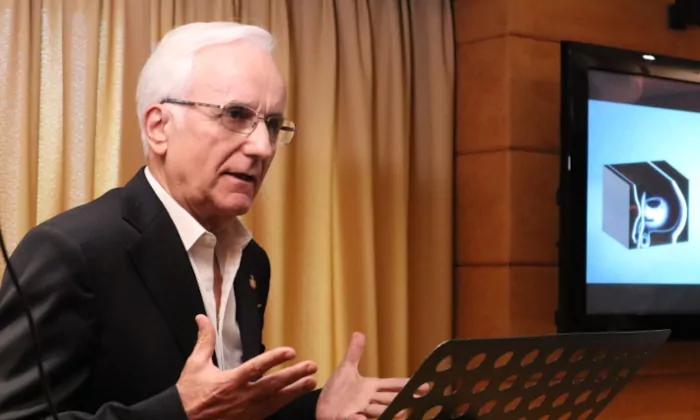
Dr. Joaquim Gironella
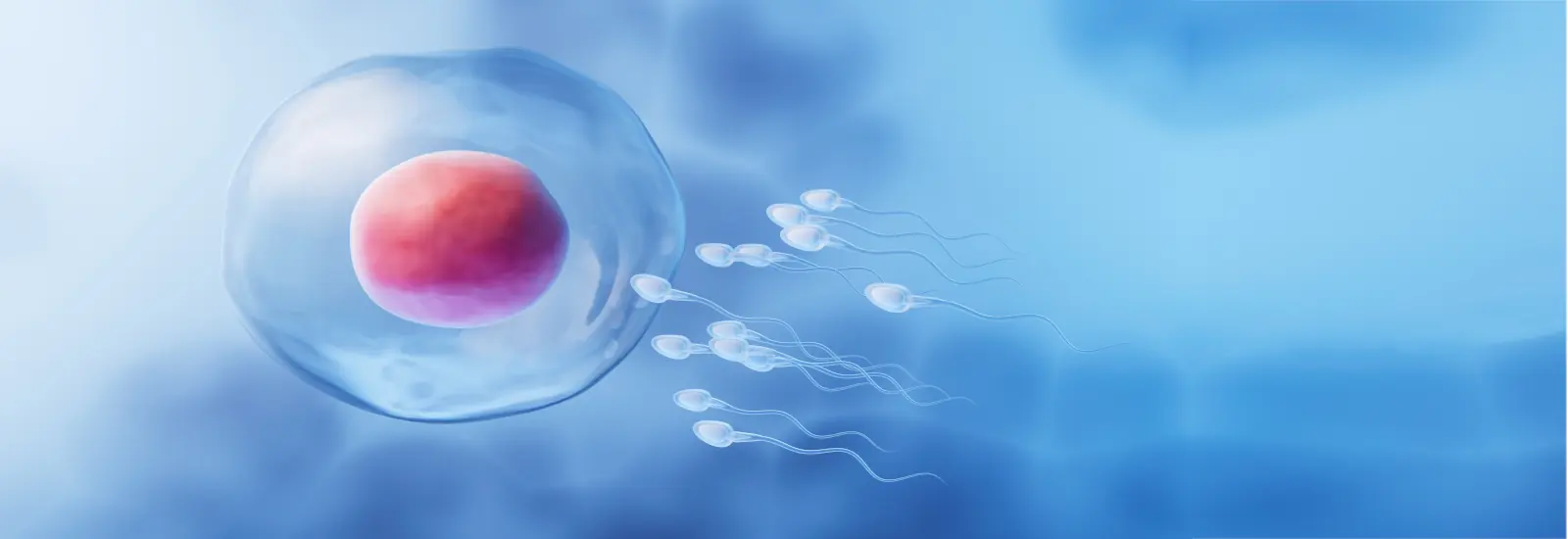
According to the academic, this demographic transformation is driven by social, economic, and cultural factors, such as delayed childbearing, job instability, and changes in family models—a trend that poses significant challenges for the sustainability of the social system and intergenerational balance. During his presentation, Gironella introduced the concept of epigenetics to emphasize that human development depends not only on inherited genetic information but also on environmental influences. Factors such as nutrition, environment, stress, and living conditions can modify gene expression and affect health and development without altering the DNA sequence itself. “We inherit not only genes; we also inherit the way the environment has influenced those genes,” he explained.
The expert also stressed the importance of early life stages—particularly the prenatal period and childhood—as decisive phases in shaping the biological and functional configuration of the individual. These initial conditions may influence the future onset of diseases and overall quality of life. In his conclusions, the speaker stated that human reproduction and demographic evolution must be understood from an integrated perspective combining biology, medicine, and the social environment, underlining the collective responsibility to create favorable conditions for future generations.
“Epigenetics compels us to rethink the concept of inheritance, because we transmit not only a DNA sequence but also the imprint of the conditions in which we live. This means that human reproduction is not merely a biological process but also a phenomenon deeply conditioned by the environment, reminding us of our responsibility as a society to create favorable conditions for life. We know that living conditions can modify genetic expression and that these changes may be transmitted. This obliges us to understand human reproduction not only as a biological process but as one shaped by environmental factors and carrying implications for future generations,” he concluded.