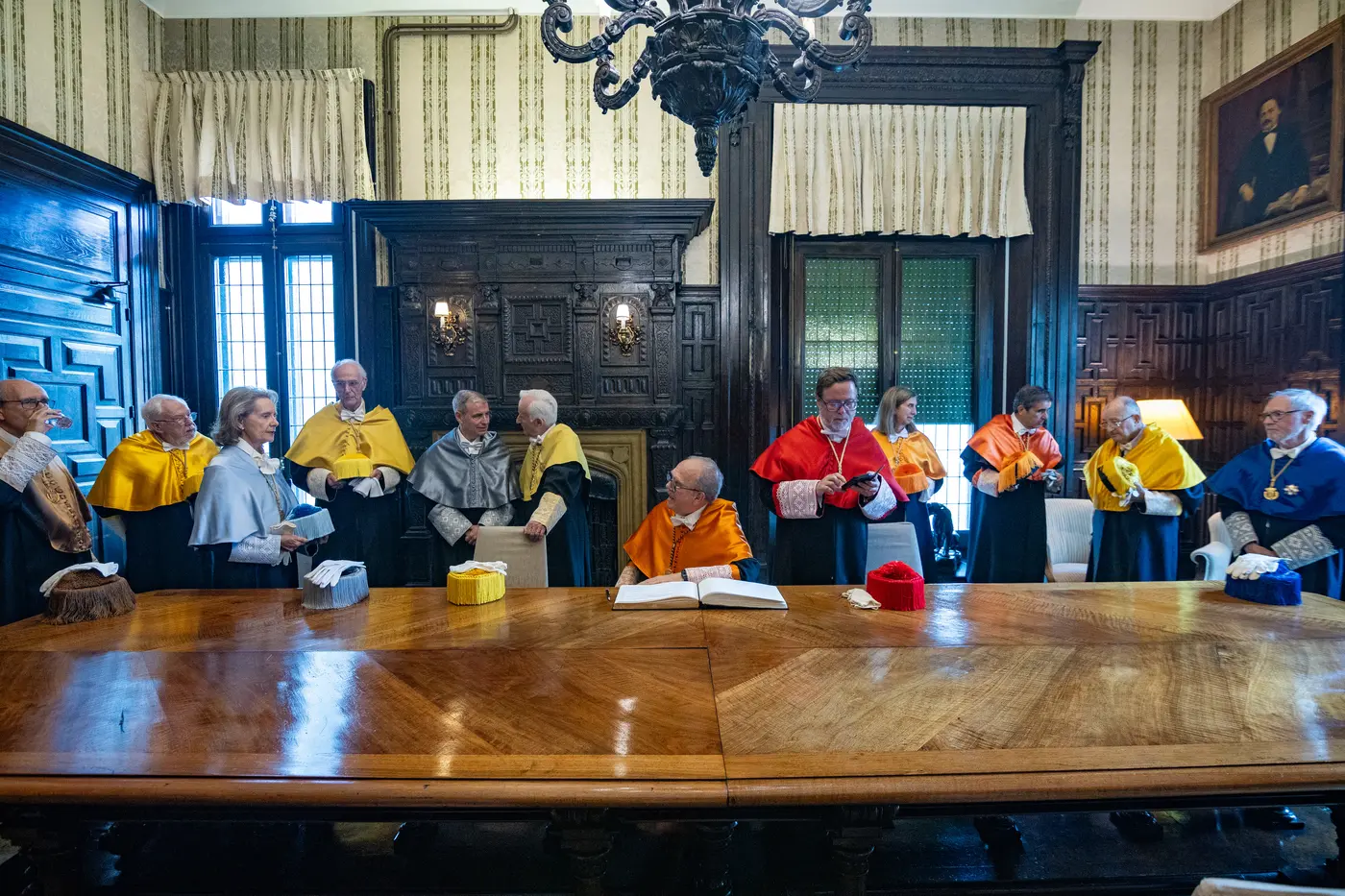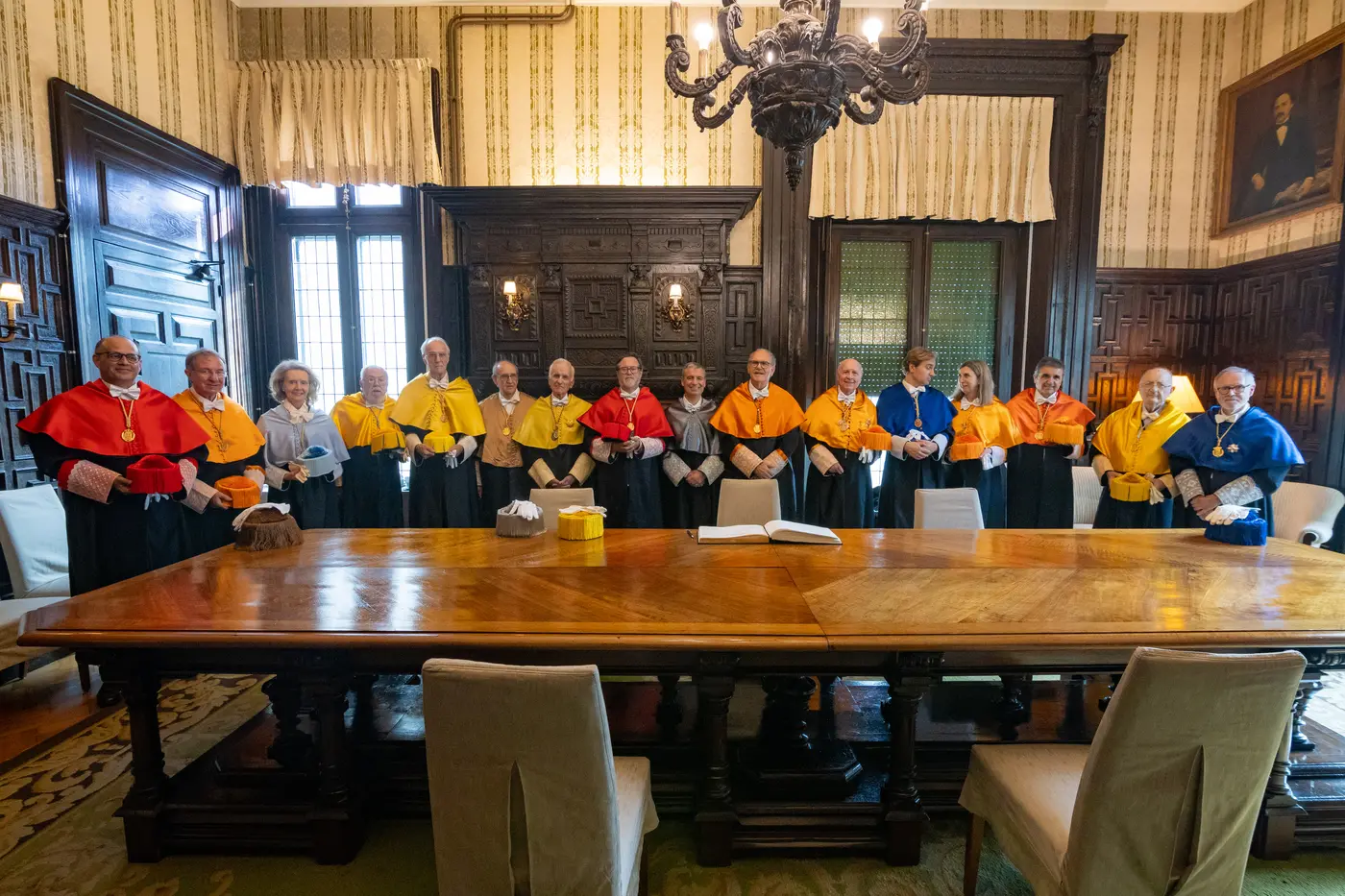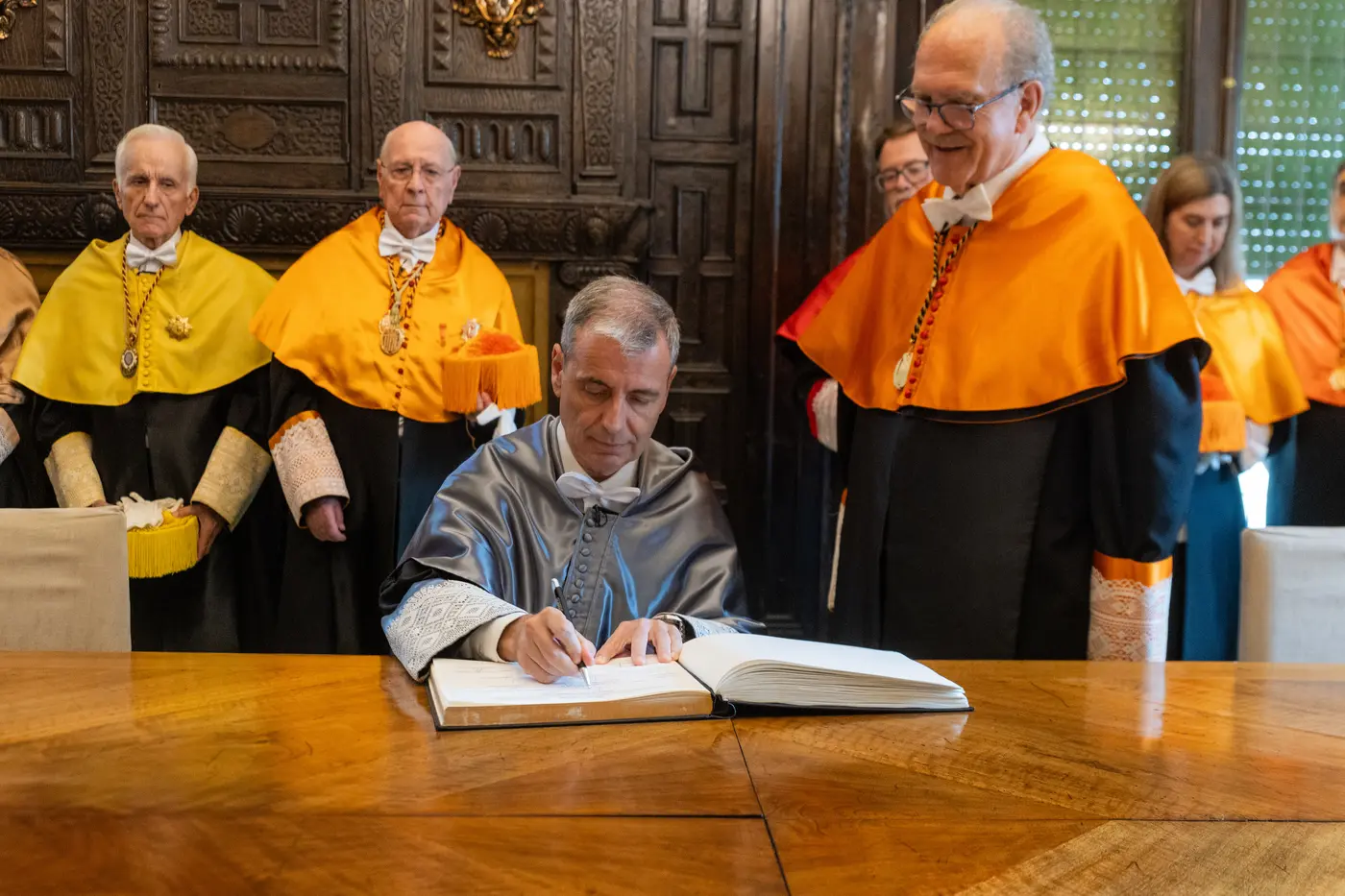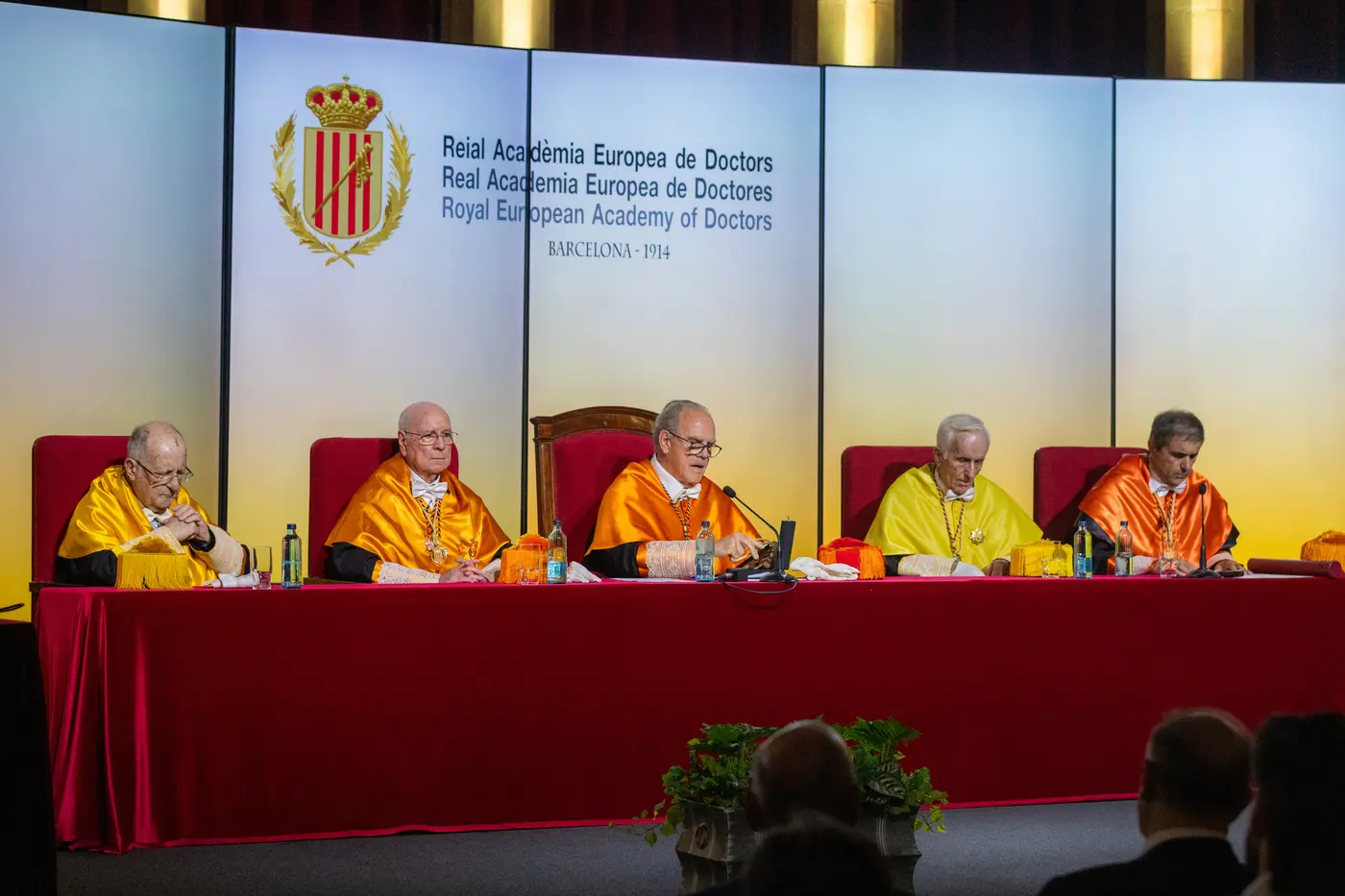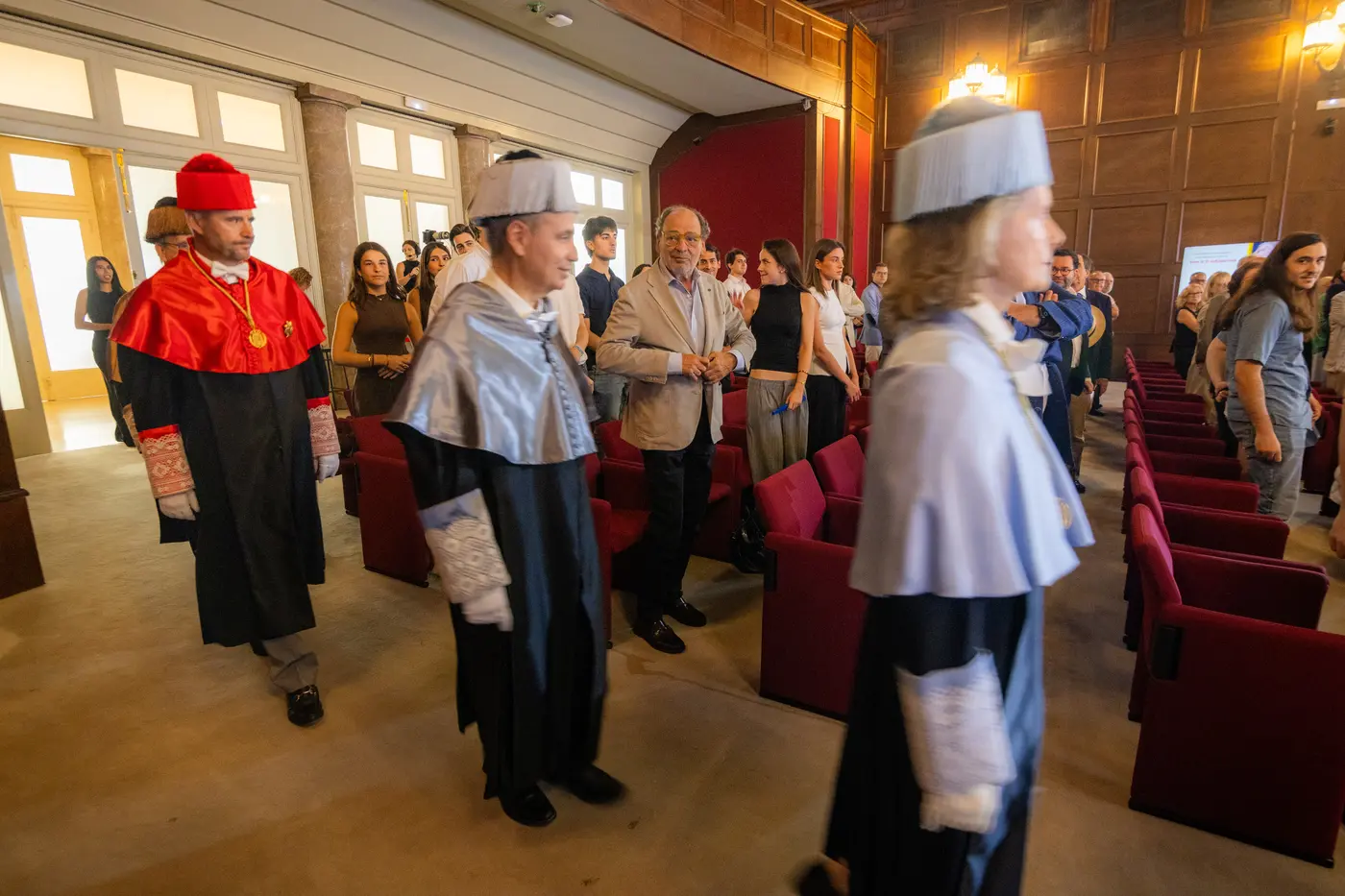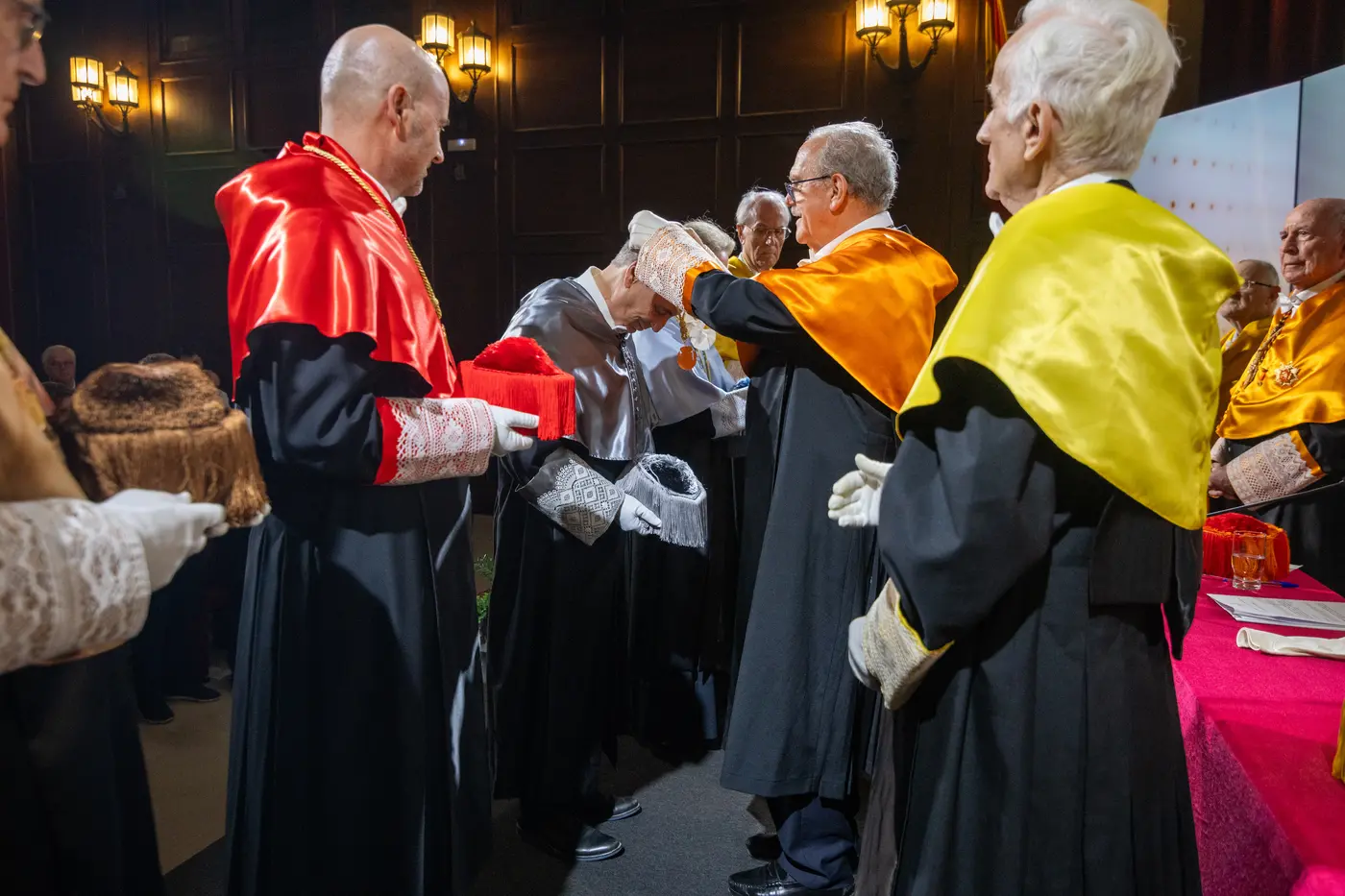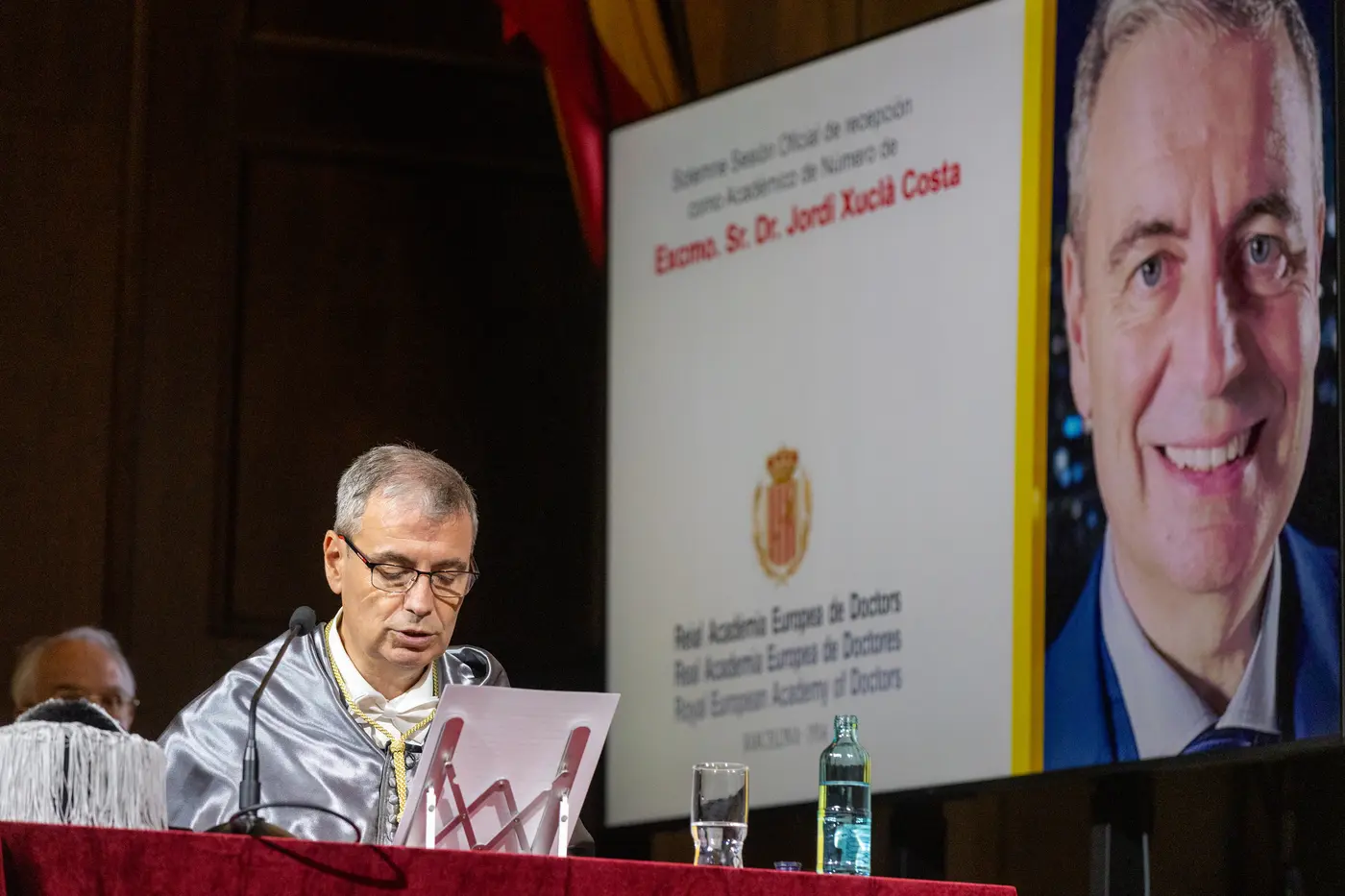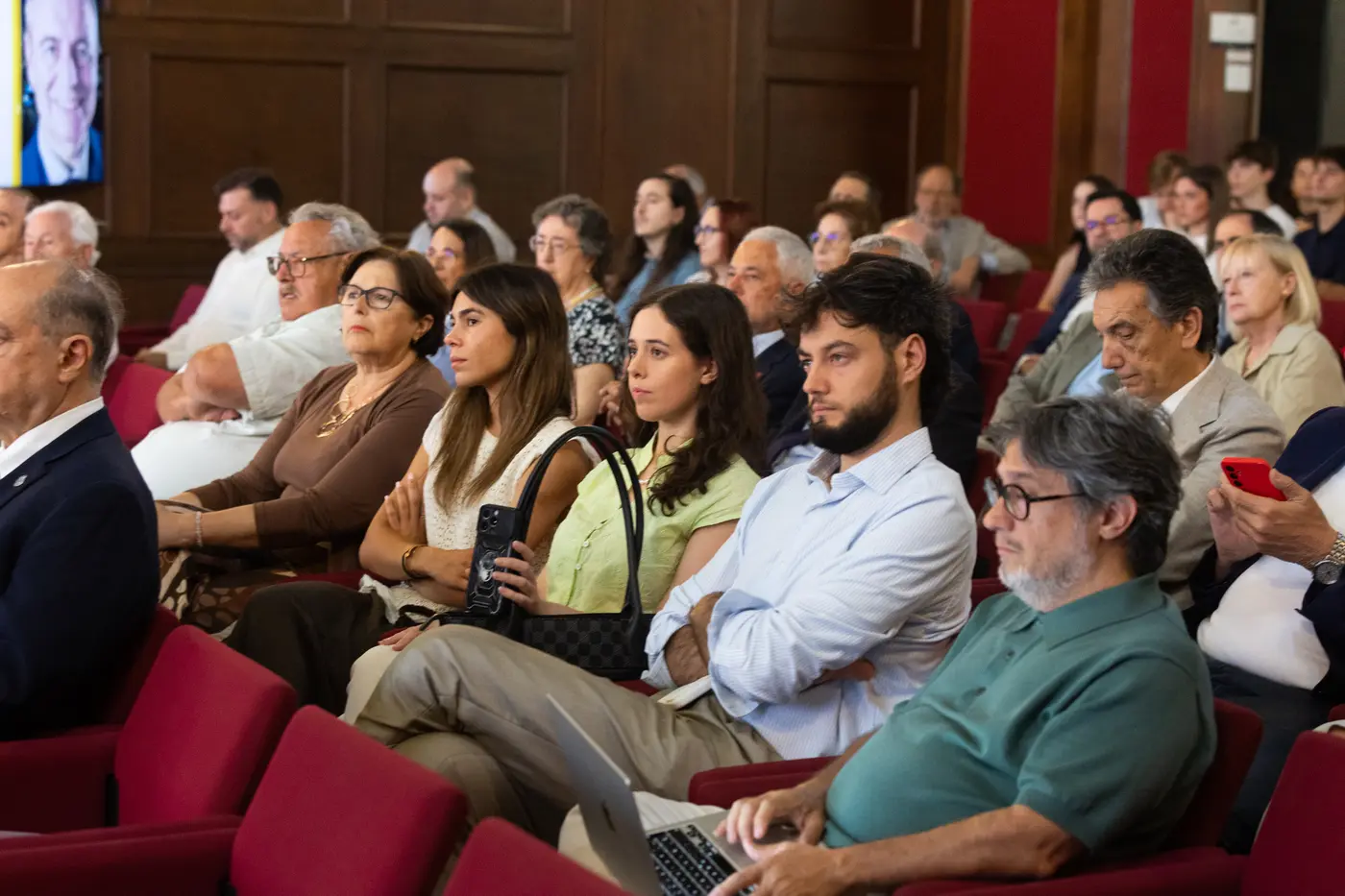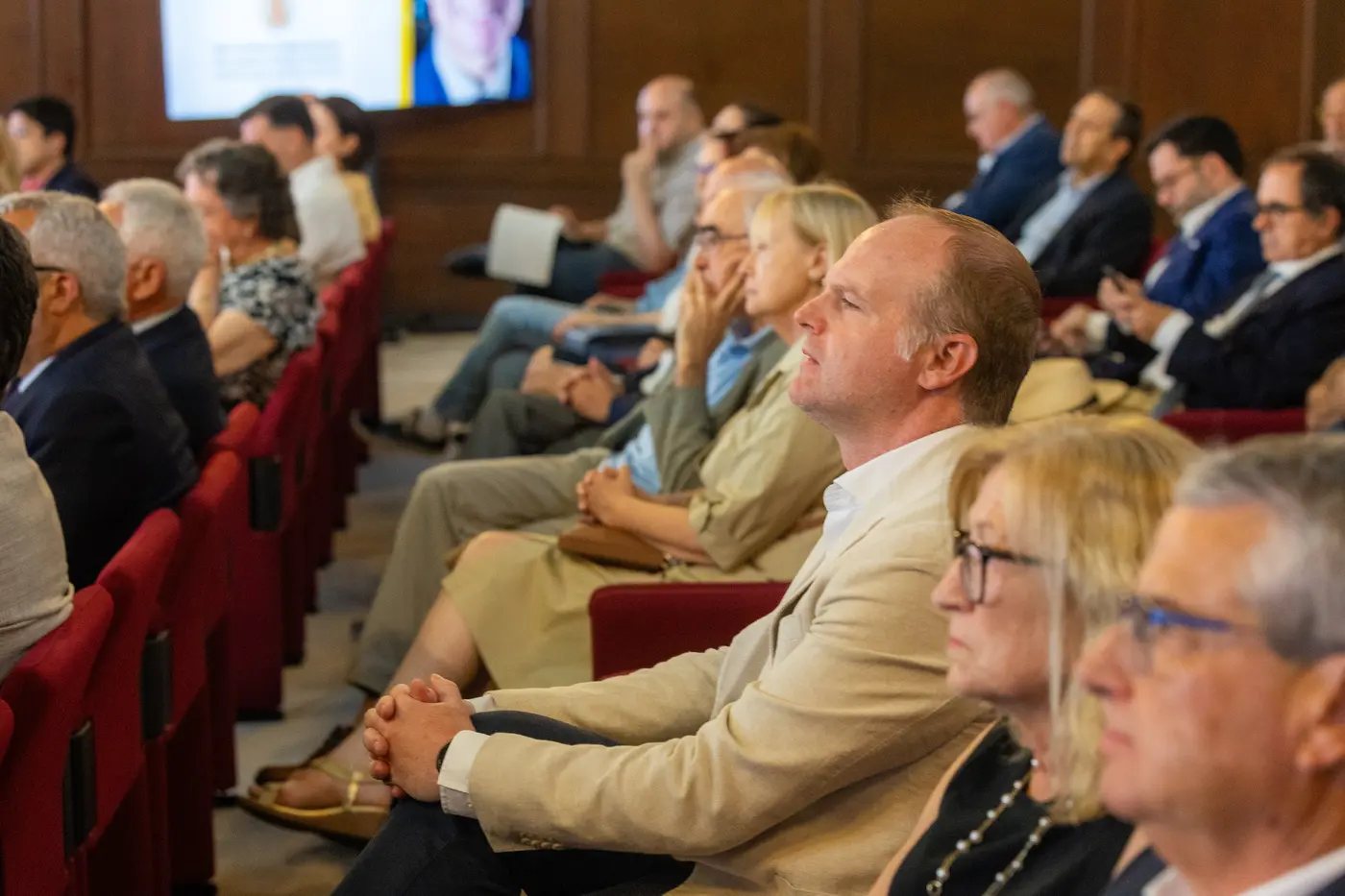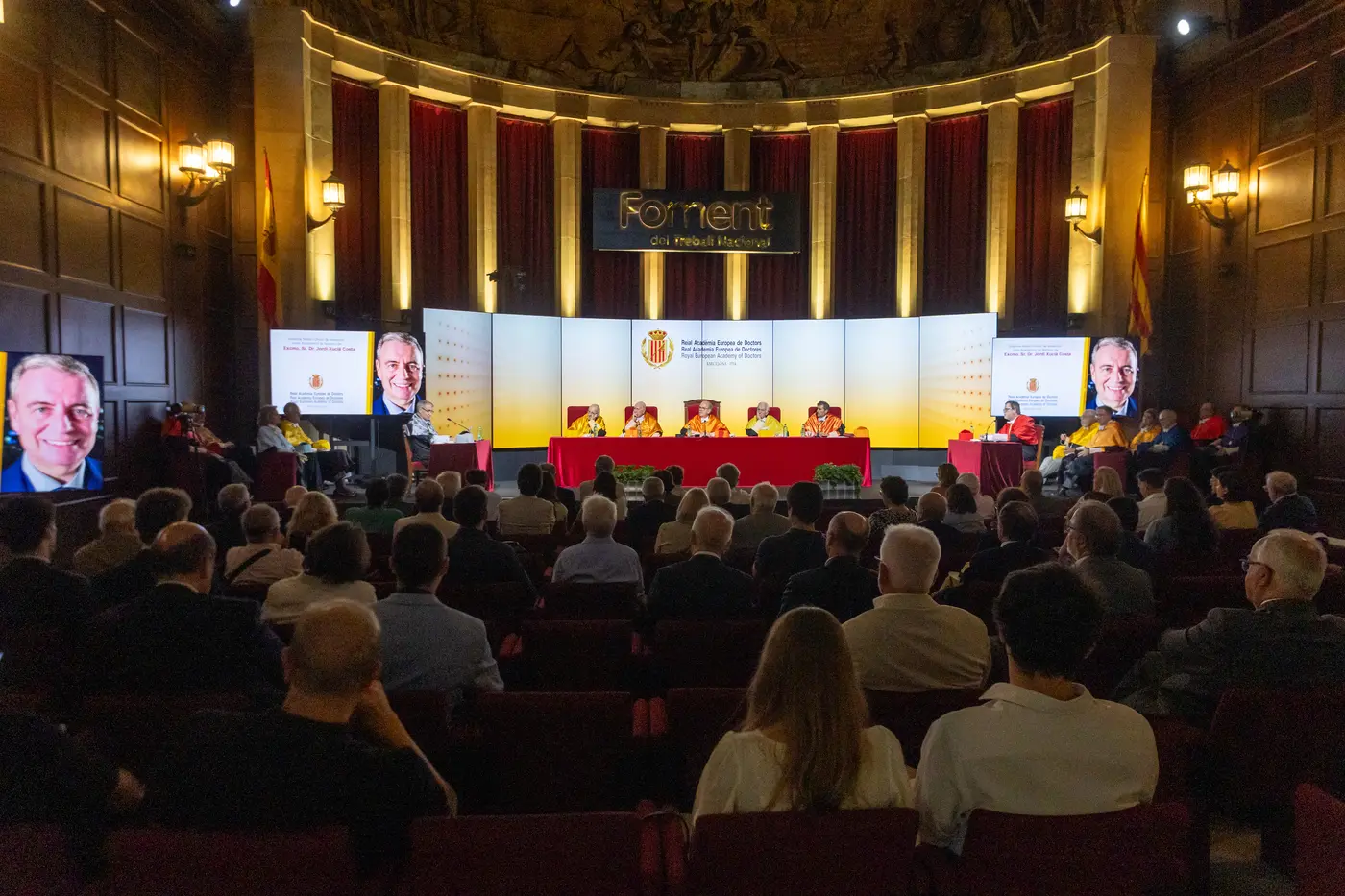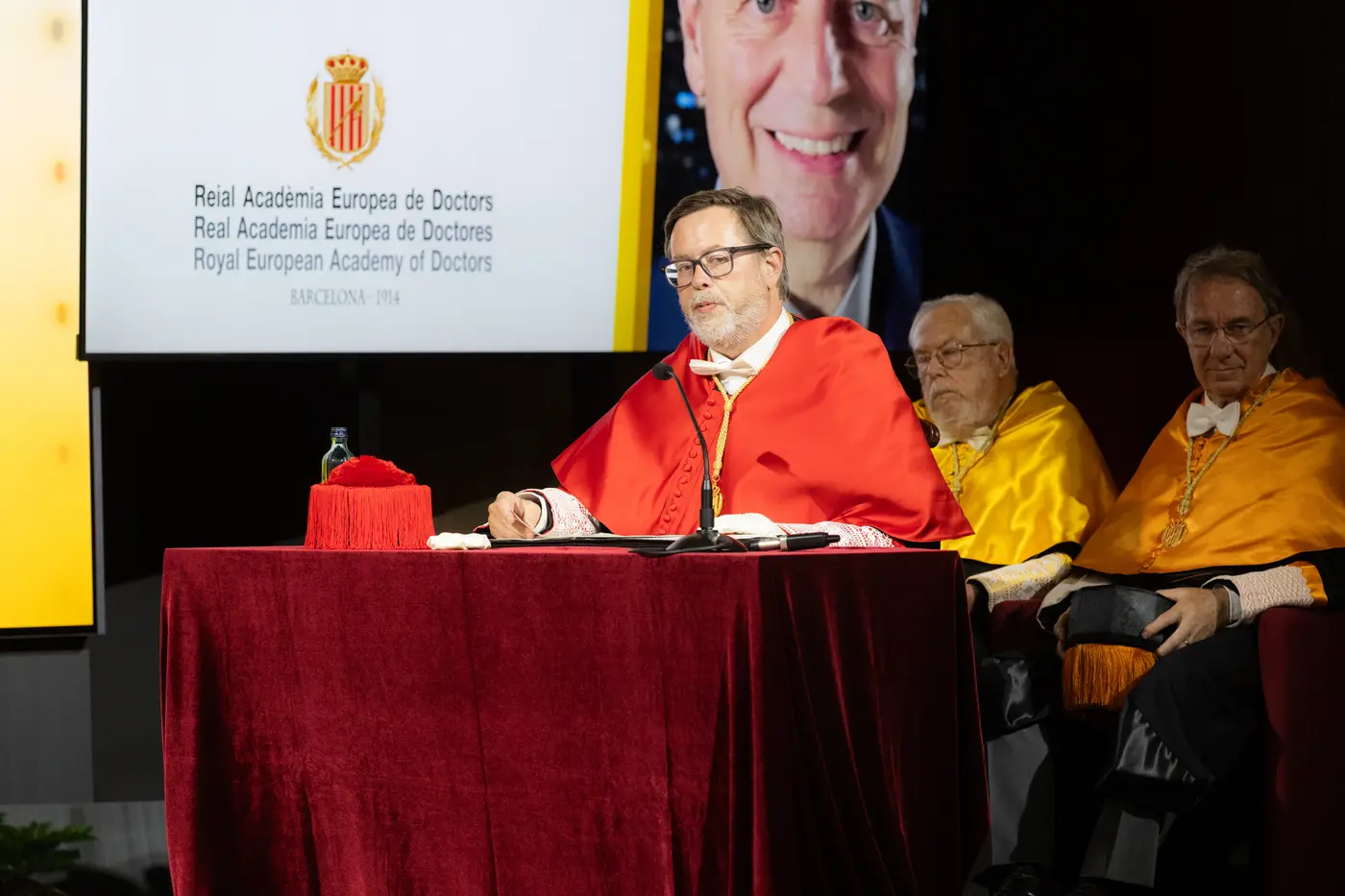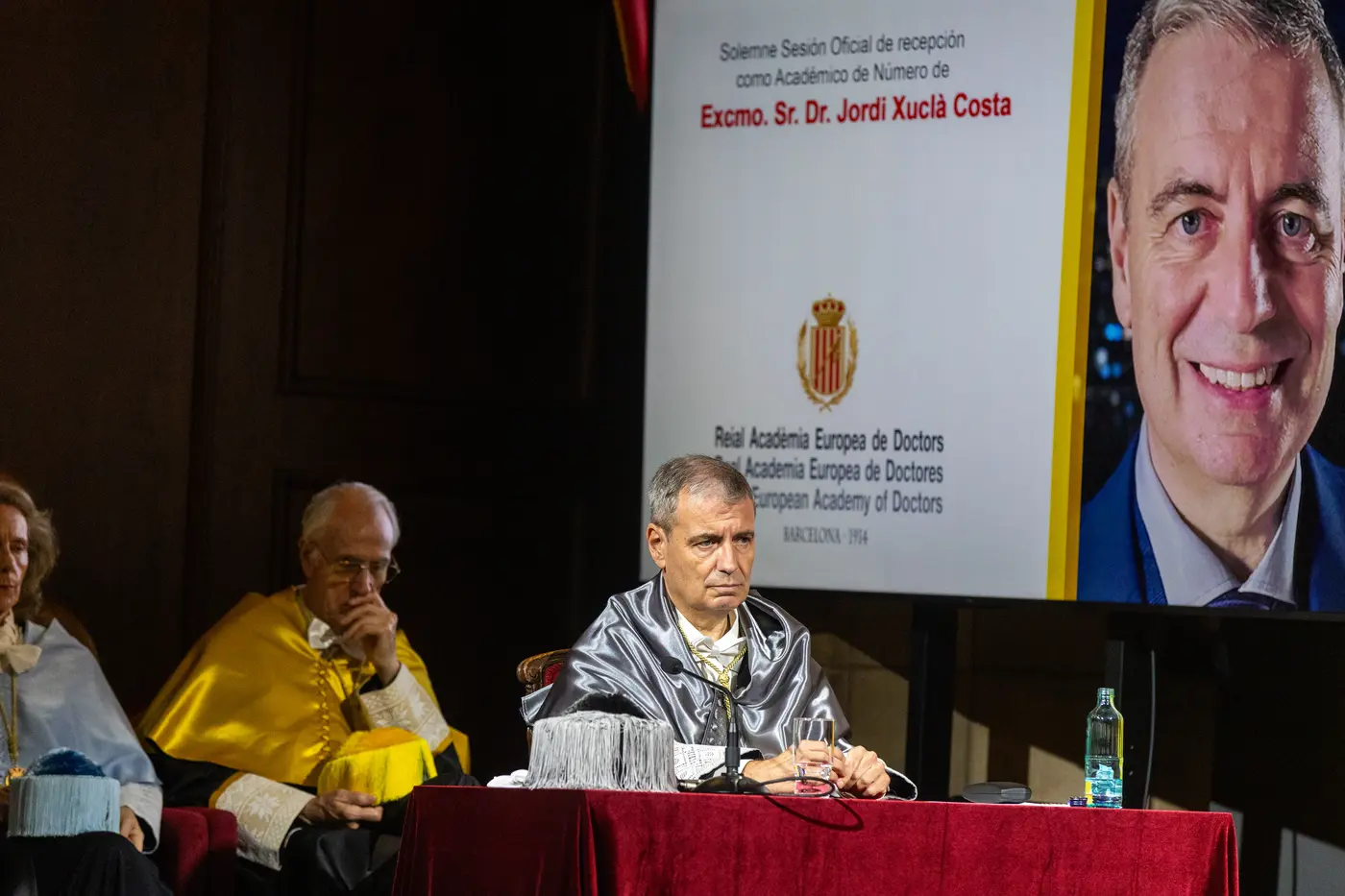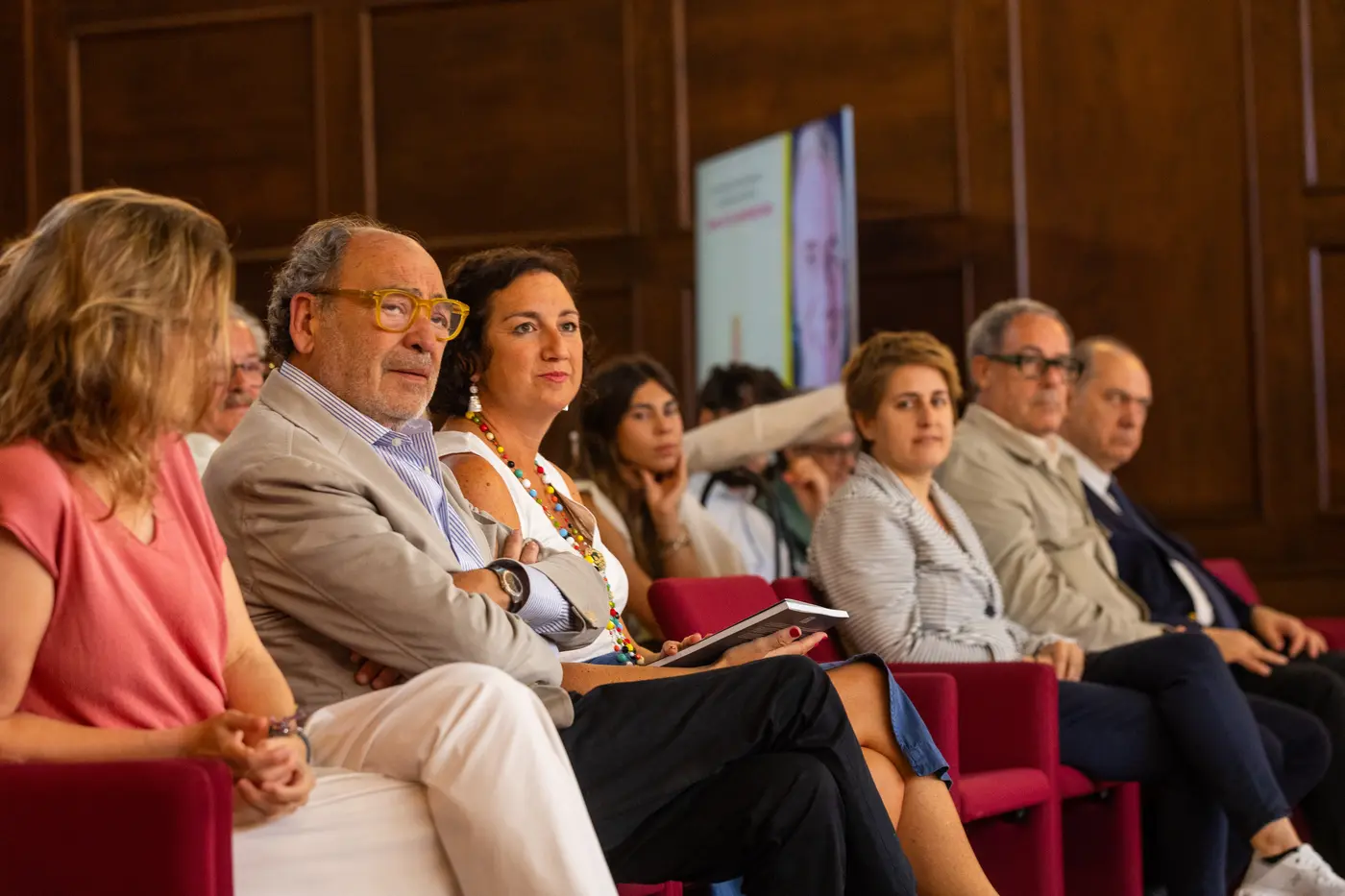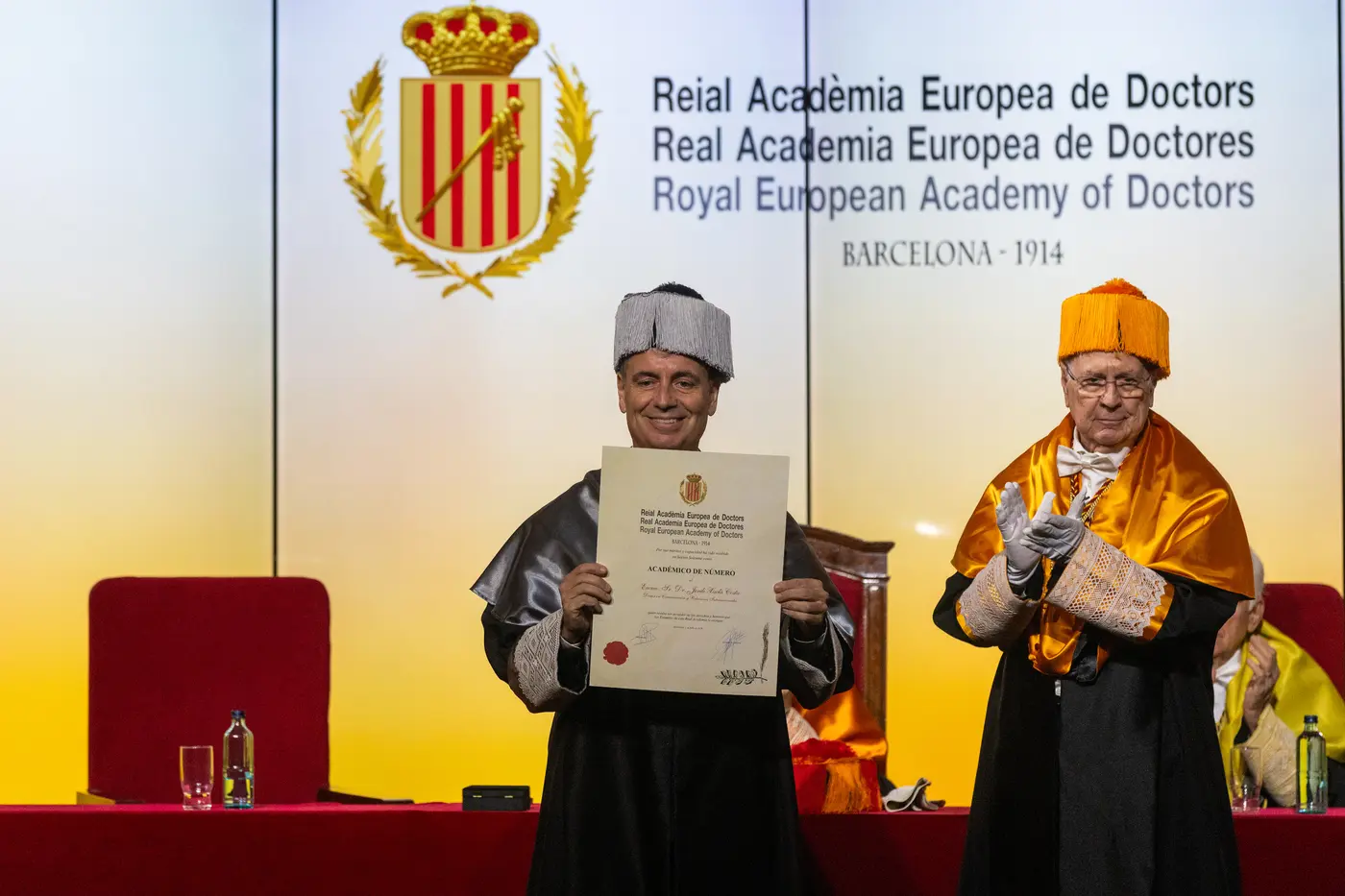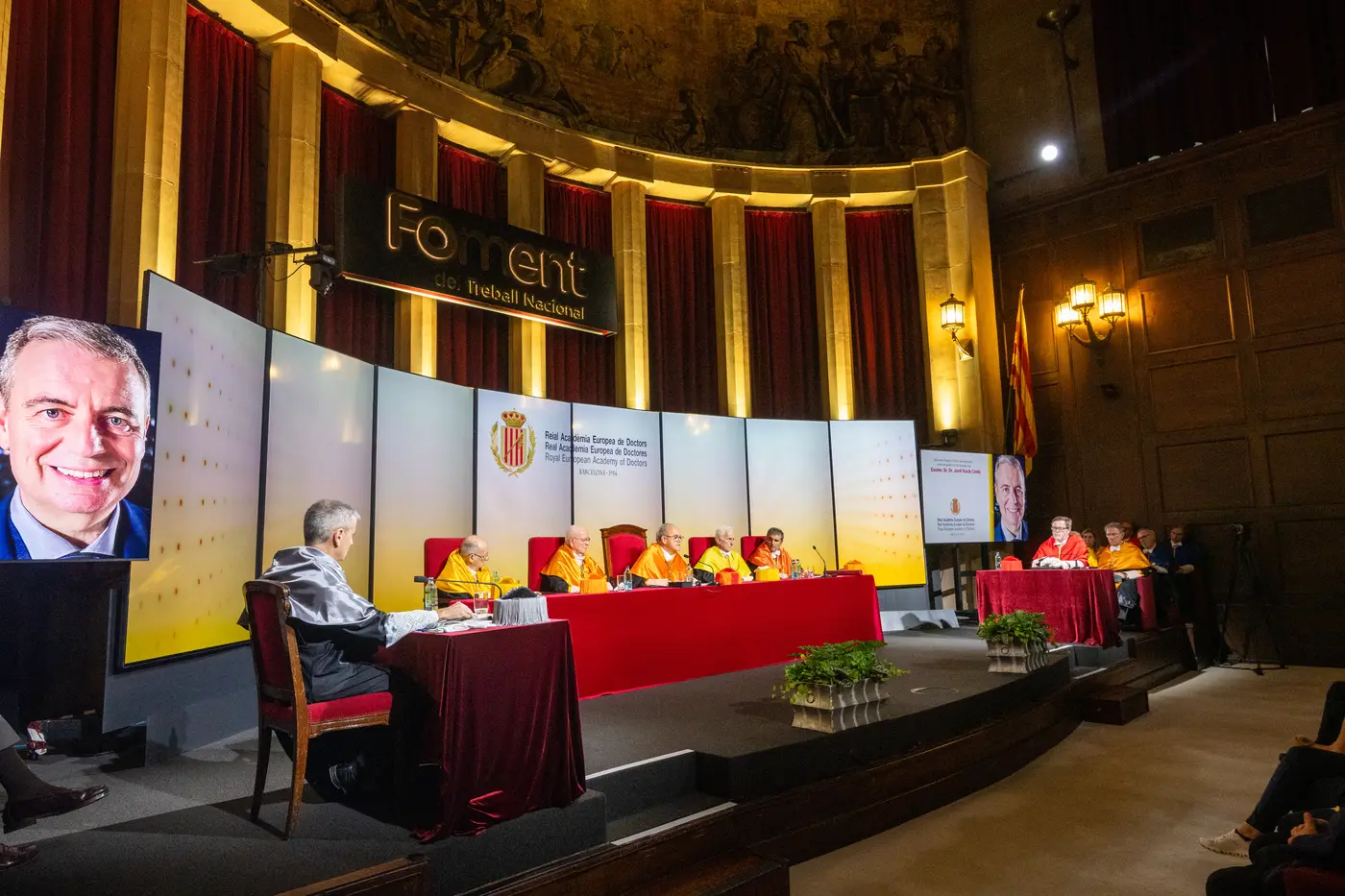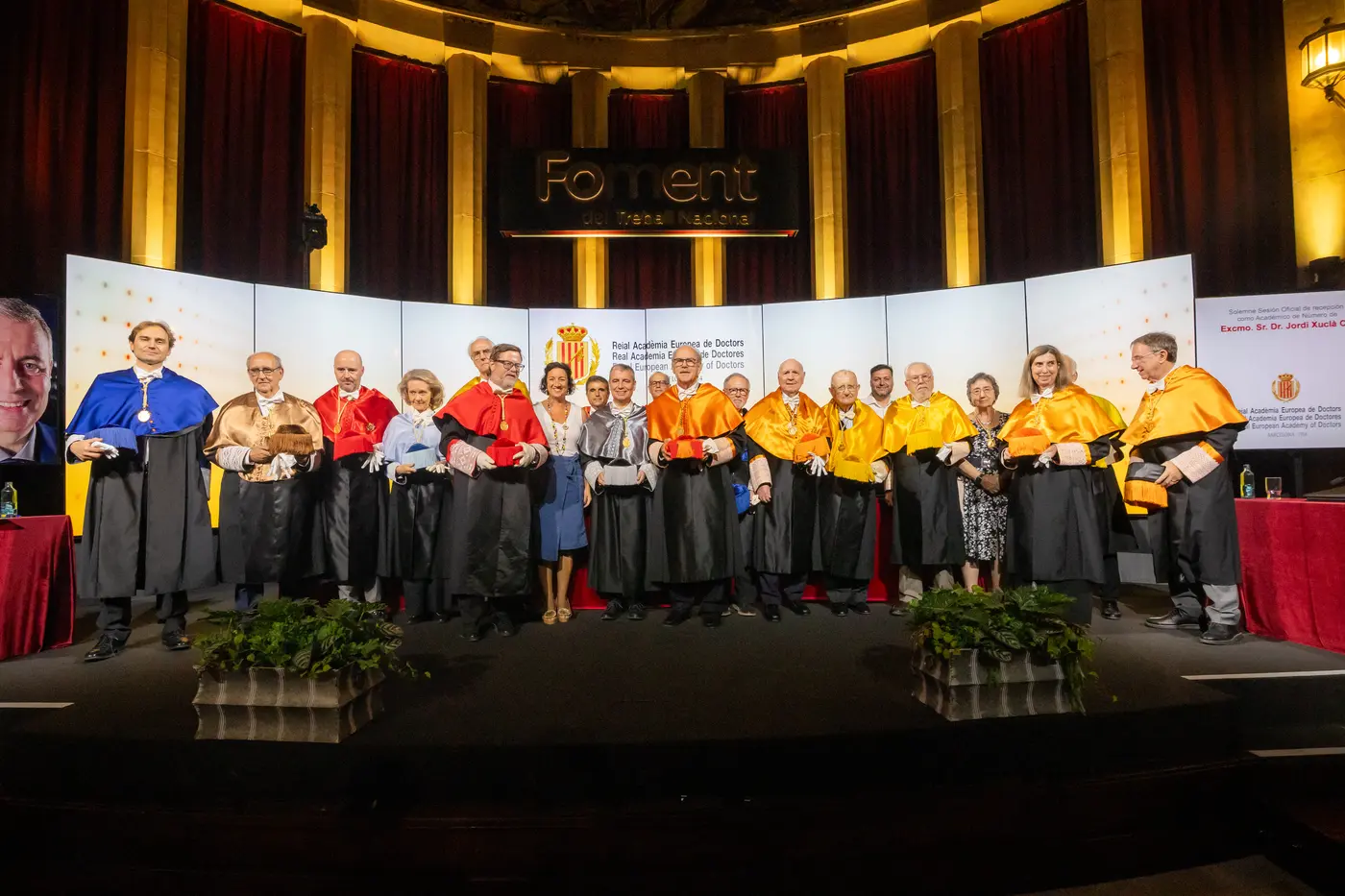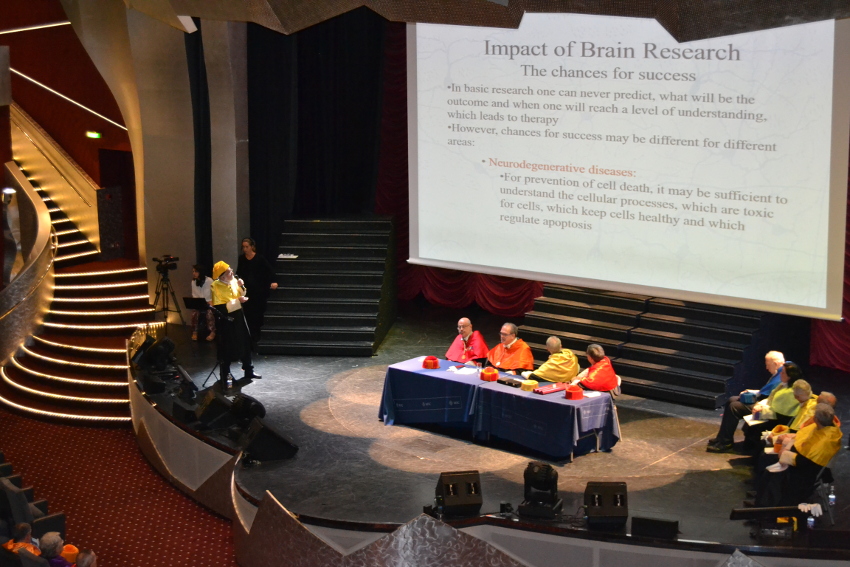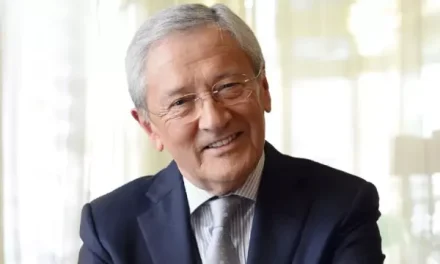



Jordi Xuclà, PhD in Communication, was admitted as a Numerary Member of the Royal European Academy of Doctors (READ) during a solemn ceremony held last Wednesday, 1 July, at Fomento del Trabajo Nacional, the Academy’s headquarters. The recipient read his admission speech, “The Catalans in the Origins of Europeanism and the Cold War”, in which he addressed the Catalan presence in the origins of the Europeanist movement, both in the late 19th and early 20th centuries and, above all, after the Second World War. He was represented by the Numerary Member and President of the Pro Royal European Academy of Doctors Foundation, Santiago Castellà. The session was streamed on the READ’s YouTube channel, where it can be viewed.
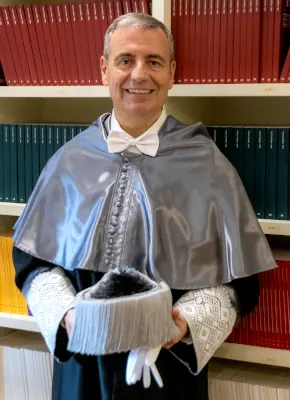
Dr. Jordi Xuclà
From an informative perspective, the expert presented little-known historically relevant aspects such as Catalan participation in the Congress of The Hague in May 1948, chaired by British Prime Minister Winston Churchill, which was followed by the founding of the European Movement and the incorporation of Catalans into the Europeanist and anti-communist networks of the Cold War. The Congress for Cultural Freedom, covertly funded by the United States through channels linked to the CIA, was a central instrument in promoting democratic, Europeanist and anti-communist cultural and political elites. This network also included Catalans who saw Europe as a means to fight both Francoism and communism simultaneously.
The recipient highlighted how, in April 1967, the magazine “Ramparts” uncovered the CIA’s covert support for hundreds of Western cultural, trade-union and publishing organisations. This ambiguous operation of American cultural diplomacy enabled committed intellectuals to contest Stalinism on the ideological battlefield and promote intellectual freedom against totalitarianism. Although in Spain the regime of Francisco Franco gained strategic breathing space with the installation of American military bases in 1953 and its admission to the United Nations in 1955, Washington maintained a double game by preserving its relationship with the Republican exile of 1939, which was seeking ways to keep the democratic cause alive.
For Xuclà, the Paris-based Congress for Cultural Freedom and magazines such as “Cuadernos” became platforms for cultural anti-Francoism and Europeanism, within which key figures established contacts from the late 1950s onwards. The expert considered how the legacy of this movement shows that ideas can function as political infrastructure, but also serves as a warning about the risks of their instrumentalisation.
With more than 20 years of experience in the political and legislative sphere, Jordi Xuclà has been an elected member of the Congress of Deputies and of the Parliamentary Assembly of the Council of Europe. He has also been a member of the Committee for the Election of Judges of the European Court of Human Rights and of the Venice Commission of the Council of Europe. A specialist in public law, political intelligence and coalition-building, he currently advises on international relations and public affairs. He is Vice-President of Ágora Diplomática and President of the Advisory Board of the Institute of Global Affairs. He also teaches international relations at various universities and actively participates in European and diplomatic initiatives.
Speech “Los catalanes en los orígenes del europeísmo y la Guerra Fría”