

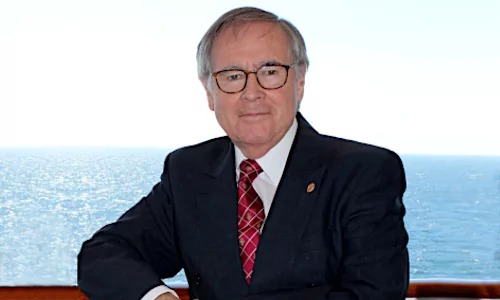
Dr. Albert Bosch
Albert Bosch, professor at the Faculty of Biology of the University of Barcelona, president of the Spanish Society of Virology, of the Enteric Virus Group of Catalonia and of the International Society for Food and Environmental Virology, and full academician of the Royal European Academy of Doctors (RAED), was admitted on 1 June as a full academician of the Royal Academy of Pharmacy of Catalonia, of which he was already a corresponding member, with the address “The long road towards the eradication of poliomyelitis”, in which he offered a detailed and moving historical review of the fight against one of the most feared diseases of the 20th century, which has still not been completely defeated.
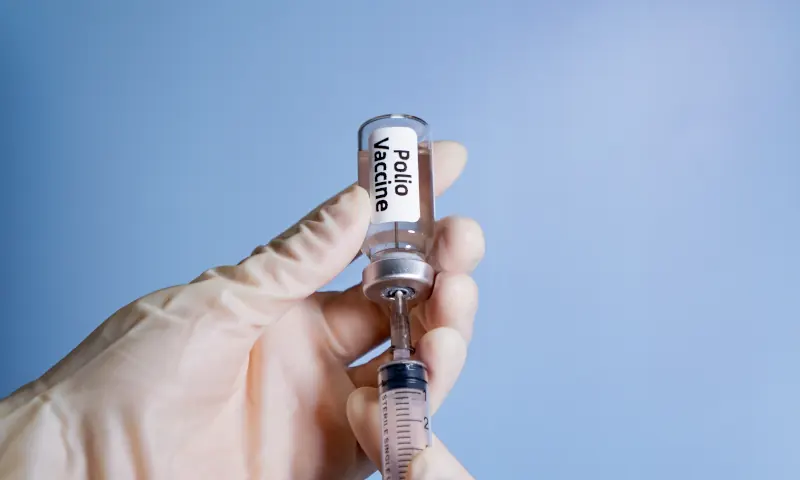
The expert recalled how poliomyelitis, caused by the poliovirus, left devastating after-effects in millions of people. Its first rigorous descriptions date back to the 18th century, such as that of the British physician Michael Underwood in 1789. In the 19th century, Jakob von Heine proposed its contagious nature, and in 1908 Karl Landsteiner and Erwin Popper demonstrated its viral origin through experiments with monkeys. In 1931, Macfarlane Burnet and Jean Macnamara identified three serotypes of the virus, a fundamental discovery for later vaccines. This was the great turning point, and in 1954 Jonas Salk introduced the inactivated vaccine, which, thanks to the campaign promoted by the President of the United States himself, Franklin Roosevelt, a victim of the disease, drastically reduced the number of cases. In 1963, Albert Sabin developed the oral vaccine.
Bosch recalled his own childhood, when at the Hospital Sant Joan de Déu in Esplugues de Llobregat he saw children confined in iron lungs. He also mentioned his research career, including the detection in September 2024 of a poliovirus in wastewater from the Besòs area in the Barcelona metropolitan region, which shows that the virus can still circulate in urban environments. In his historical review, the academician focused on the initiative launched by the World Health Organization in 1988 to eradicate poliomyelitis. The results, he stressed, have been impressive: from some 350,000 annual cases in more than 125 countries in 1988, the figure fell to fewer than 2,000 in the early 2000s. However, global eradication is still pending. Endemic foci persist in Afghanistan and Pakistan.
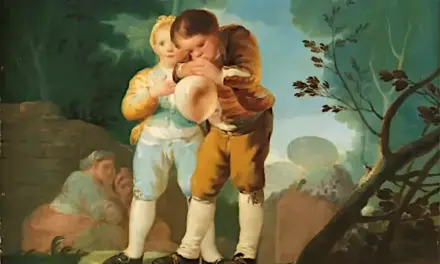
“More than seven decades after the first vaccines, poliomyelitis remains a reminder that great victories in public health require perseverance, international cooperation and never lowering one’s guard,” he stated. As Bosch illustrated with the image of Frida Kahlo, who suffered from the disease, its after-effects are profound, but humanity has the tools to bring it to a definitive end. The goal of total eradication is achievable, but it requires continuous surveillance. The new academician thanked his collaborators in the Enteric Virus Group for their support and stressed that science is never an individual task. The response address was given by academician Tomàs Pumarola.
 Bosch has carried out research at foreign institutions such as the Albert Einstein College of Medicine in New York, the University of North Carolina, the University of Arizona, the University of Pretoria and the Institute of Child Health in London. He has published more than 200 articles in renowned scientific journals and several books on environmental and food virology, as well as on clinical and molecular aspects of enteric viruses. He is also editor-in-chief of “Food and Environmental Virology”, and editor of “Journal of Applied Microbiology”, “Letters in Applied Microbiology” and “Viruses”.
He was included among the top 2% of the world’s most recognised scientists in his speciality for his career achievements. He coordinated the VATar project, Wastewater Surveillance and Early Warning for Covid-19, of the Ministry of Health and the Ministry for the Ecological Transition and the Demographic Challenge, and developed the SarsAigües programme of the Government of Catalonia. He was a member of the Scientific Advisory Committee on Covid-19 and of the Epidemiological Intelligence Network of the Government of Catalonia, and led the 15th National Virology Congress held in Barcelona, an event that included the 11th International Meeting of the Global Virus Network, a leading working group that brings together the world’s most prestigious virologists.