

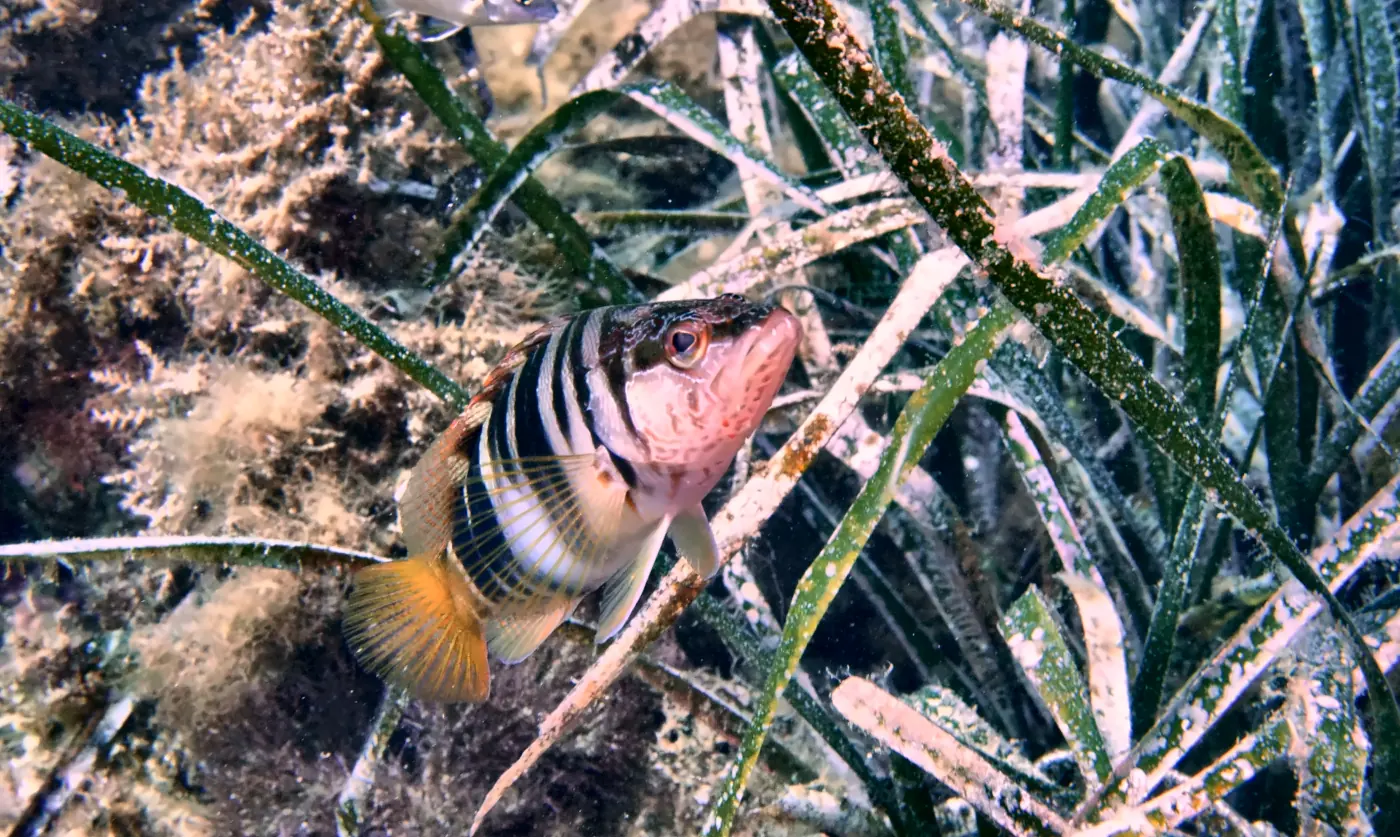
‘Serranus scriba’ fish, known as serrano or vaquita
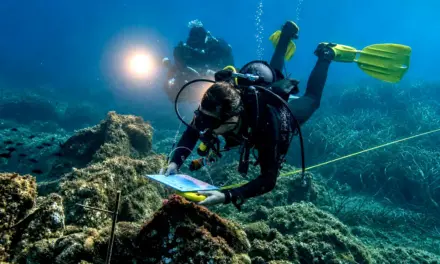
The marine biodiversity observation and protection project Silmar, managed by the Environment and Ecology Unit of the Pro Royal European Academy of Doctors Foundation, has presented the latest activity report for the La Cima marine monitoring station on the Costa Brava, near Castell-Platja d’Aro. The document summarises the observation, ecological diagnosis, and bioindicator monitoring work carried out in 2025 in one of the area’s underwater enclaves of greatest ecological interest.
For Miquel Ventura, project director of the Pro Royal European Academy of Doctors Foundation and head of Silmar, the results offer a dual reading: on the one hand, clear signs of deterioration in organisms sensitive to warming and chronic degradation; on the other, evidence of resilience in structuring habitats such as Posidonia oceanica meadows. “La Cima remains an underwater enclave of high ecological value, but each year it requires more active, precise and responsible management,” Ventura states.
The report highlights the growing vulnerability of coral and gorgonian colonies, such as Eunicella singularis, Cladocora caespitosa, and Leptogorgia sarmentosa, in which reductions in size, apical necrosis, epiphytism, and partial mortality have been observed. These symptoms reflect a progressive loss of resilience in the precoralligenous habitat in the face of heat episodes, pathogens and opportunistic species. By contrast, the control patches of Posidonia oceanica maintain densities, general appearance and physiological activity compatible with a good ecological status, sustaining key functions such as biomass and oxygen production, CO₂ fixation, biodiversity refuge and sediment stabilisation.
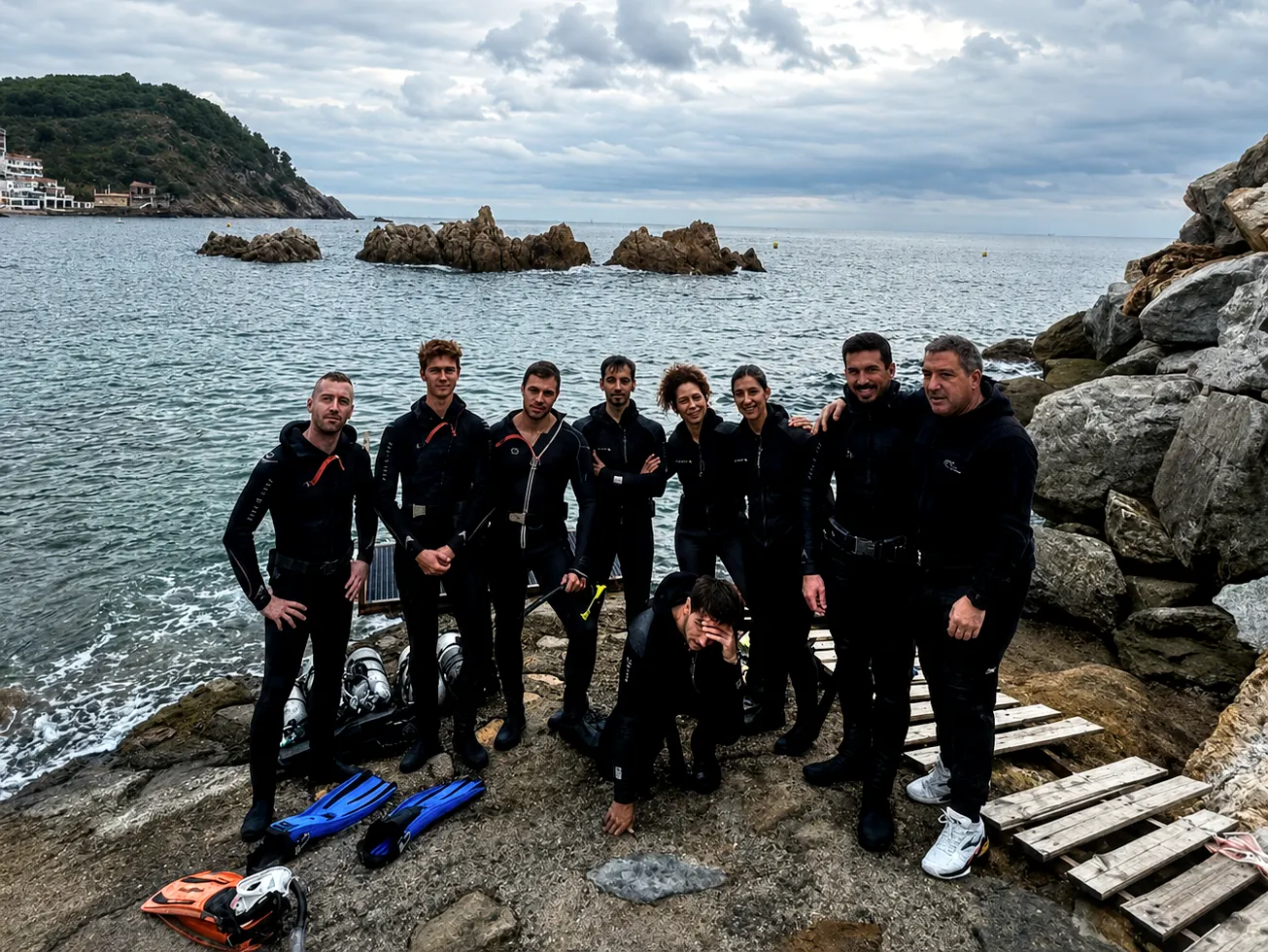
Silmar volunteers, La Cima station
Thermal stress is confirmed to be the primary multiplier of impacts. The increase in average water temperature and marine heatwaves raises the risk of mortality, disease and loss of cover in sensitive species. They also favour the expansion of invasive or opportunistic species such as Codium fragile, Asparagopsis armata and, especially, Lophocladia lallemandii, which grows rapidly during spring and summer. These are joined by species of interest such as Oculina patagonica and Percnon gibbesi, whose evolution must be closely monitored.
In response to this situation, Silmar proposes strengthening seasonal monitoring, establishing alert thresholds, improving early detection of invasive species, and reducing local pressures that can be managed, such as intensive recreational fishing, anchoring, irresponsible navigation, waste, and poorly regulated tourist pressure. “Marine conservation can no longer depend solely on environmental awareness: it needs data, funding, shared responsibility and real capacity for action,” the report adds.
This approach is especially relevant for the tourism and nautical sectors, which depend directly on the quality of the coastal landscape, water transparency, marine biodiversity and the natural appeal of the coastline. “These assets are not scenery: they are natural capital. They generate economic value, territorial reputation, well-being, employment and business activity. However, for decades, many economic activities have used these ecosystem services without reinvesting proportionally in their conservation,” Ventura explains.
The European Union’s new roadmap towards so-called Nature Credits points precisely in this direction: recognising, verifying and financing actions that generate positive outcomes for nature. This model seeks to mobilise private investment in a manner complementary to public funding, under criteria of scientific integrity, transparency and traceability. “Europe is beginning to build a market in which conserving, restoring and improving nature can become a verifiable investment, not a symbolic gesture,” the bulletin states.
In this context, Silmar is seeking to stay ahead of its time. For more than a decade, it has been applying the same principle along the Mediterranean coast that Europe is now promoting: measuring the state of ecosystems, interpreting their evolution, communicating the results, and promoting responsible investment to conserve natural capital. The La Cima station shows that a local monitoring network can serve as a strategic tool for adaptive management, environmental education, citizen science, and the future economy of nature.
The Silmar project was recognised with the Talent 2024 Award in the category “Biotech, chemistry and life sciences” for its contribution to knowledge of marine biodiversity and to raising awareness of human impact on seas and oceans. In 2025, the project has strengthened its network of stations and study protocols to obtain more precise data amid growing pressures from climate change, pollution, and intensive use of the coast. “Protecting the sea is not only an ethical obligation: it is an intelligent investment in the natural asset that sustains the economy, identity and future of coastal territories,” Ventura concludes.
Silmar report, La Cima station, Castell-Platja d’Aro 2025
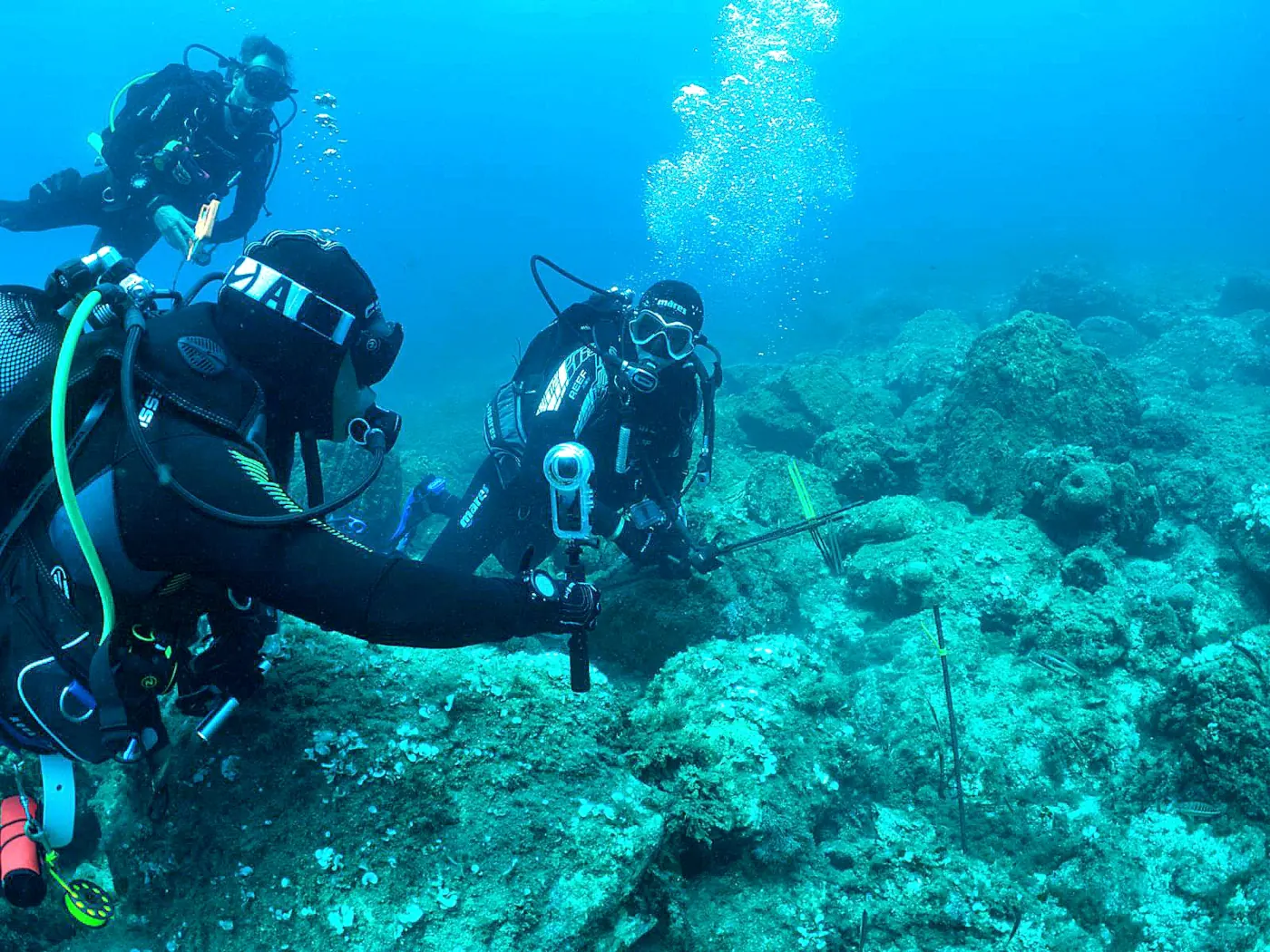
The Silmar team during the installation of an underwater transect