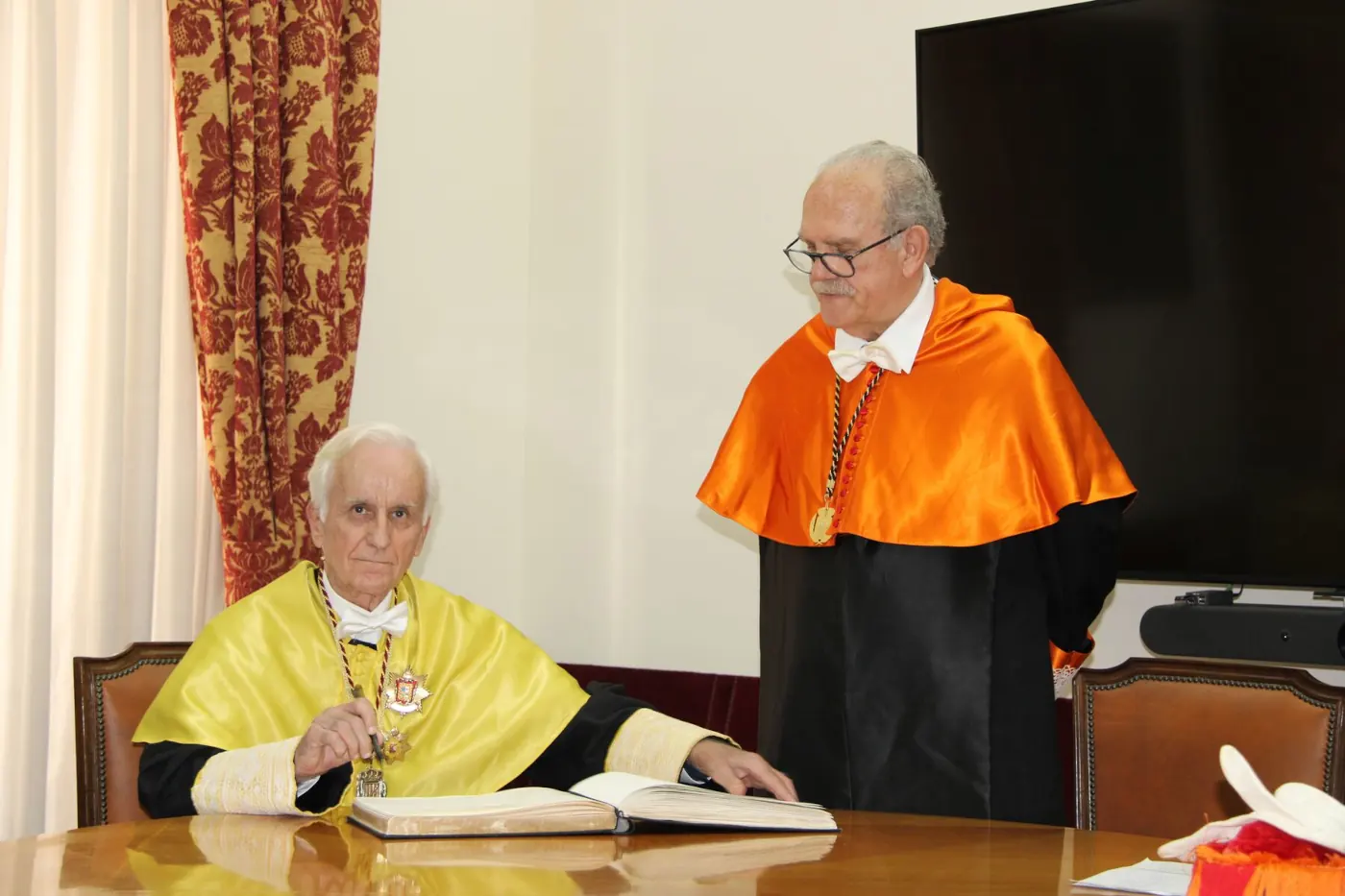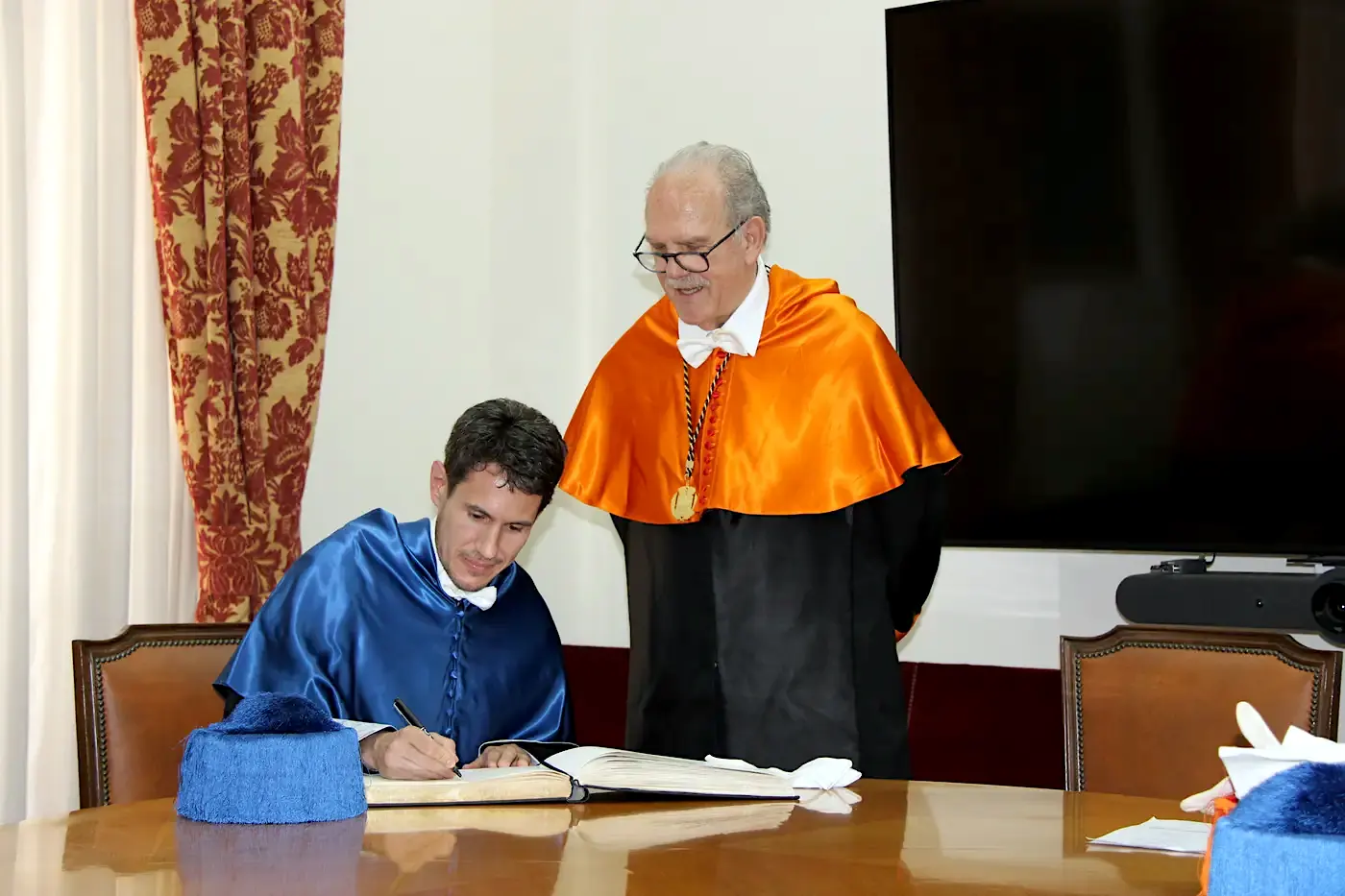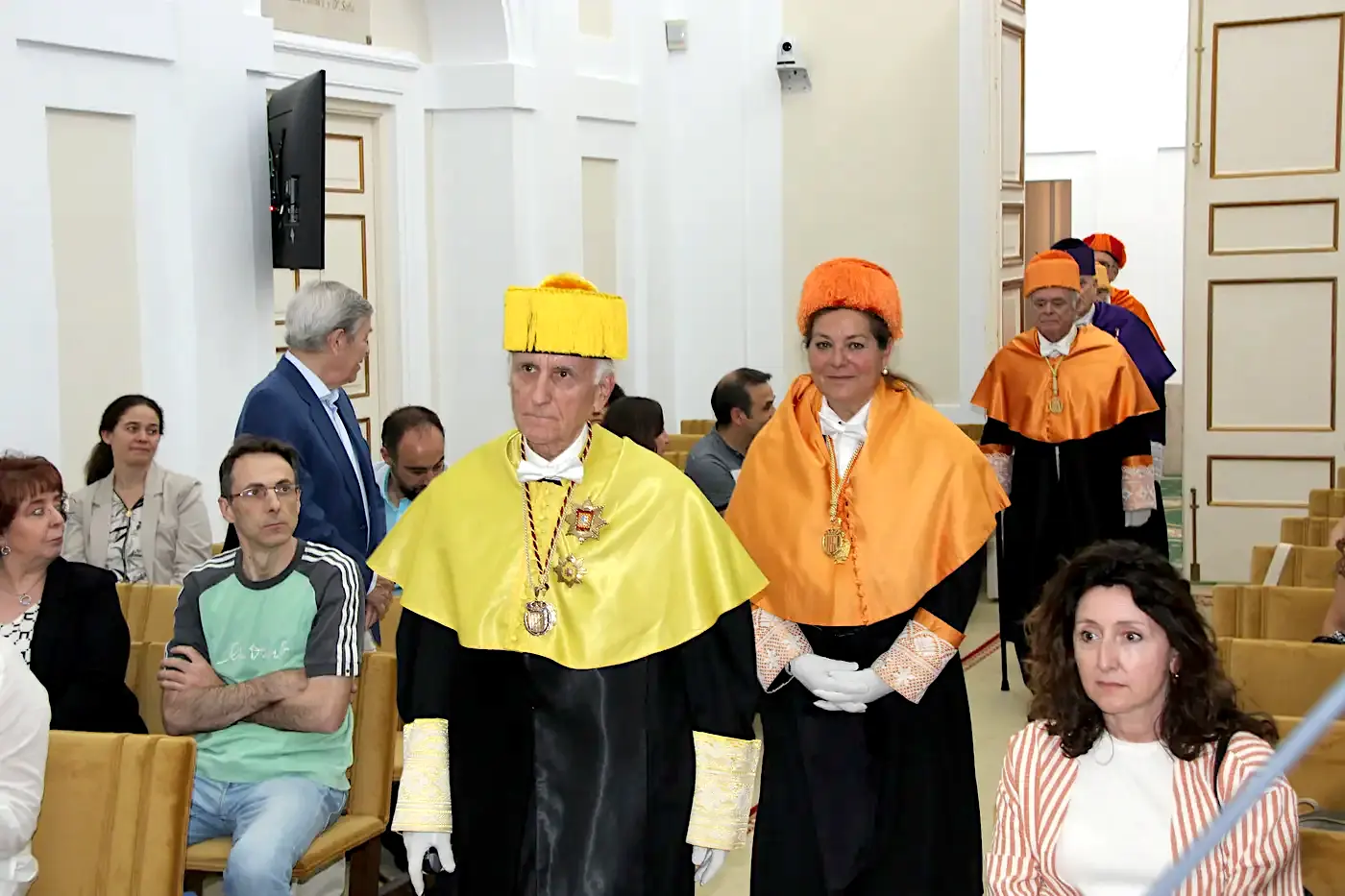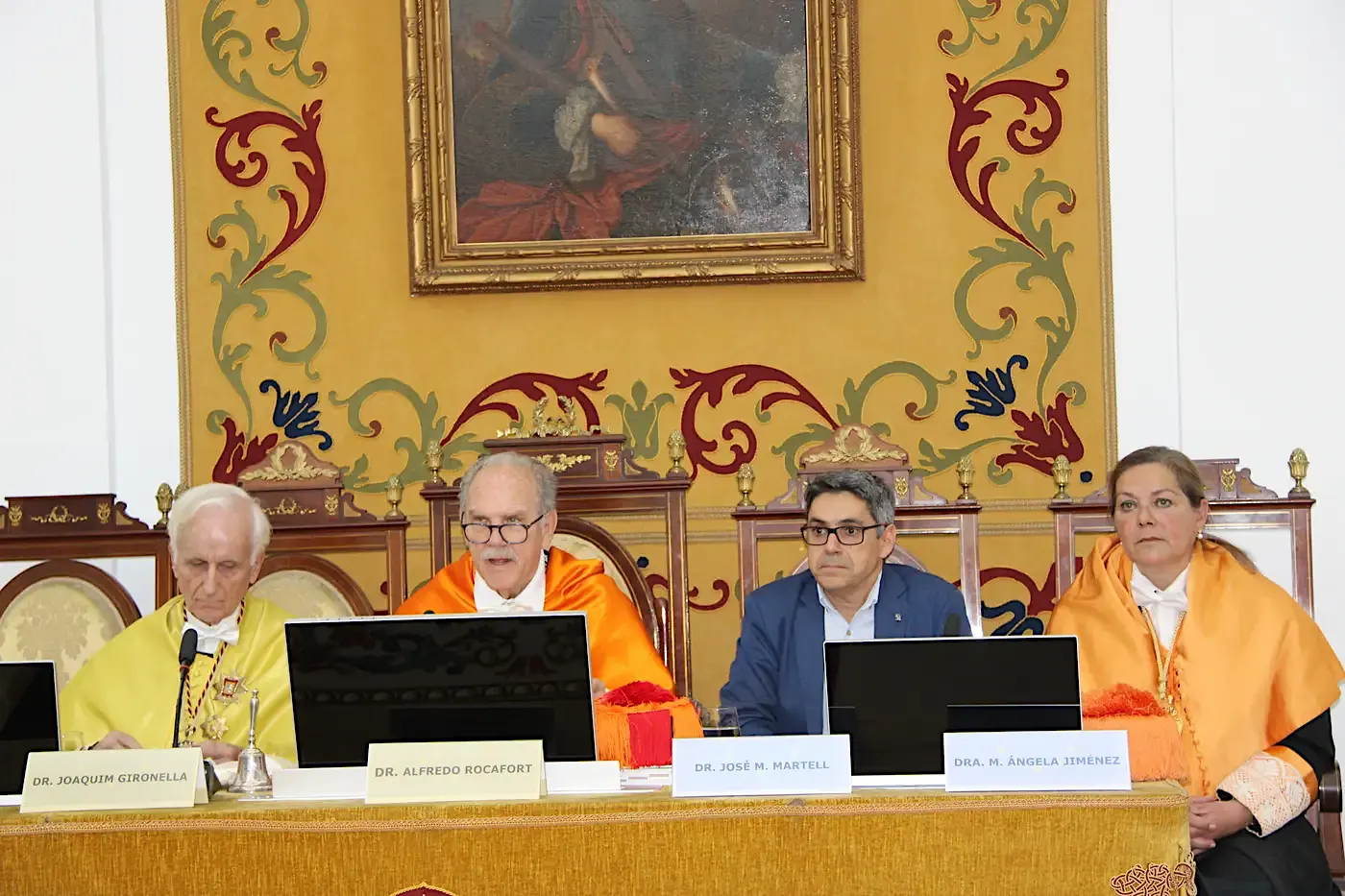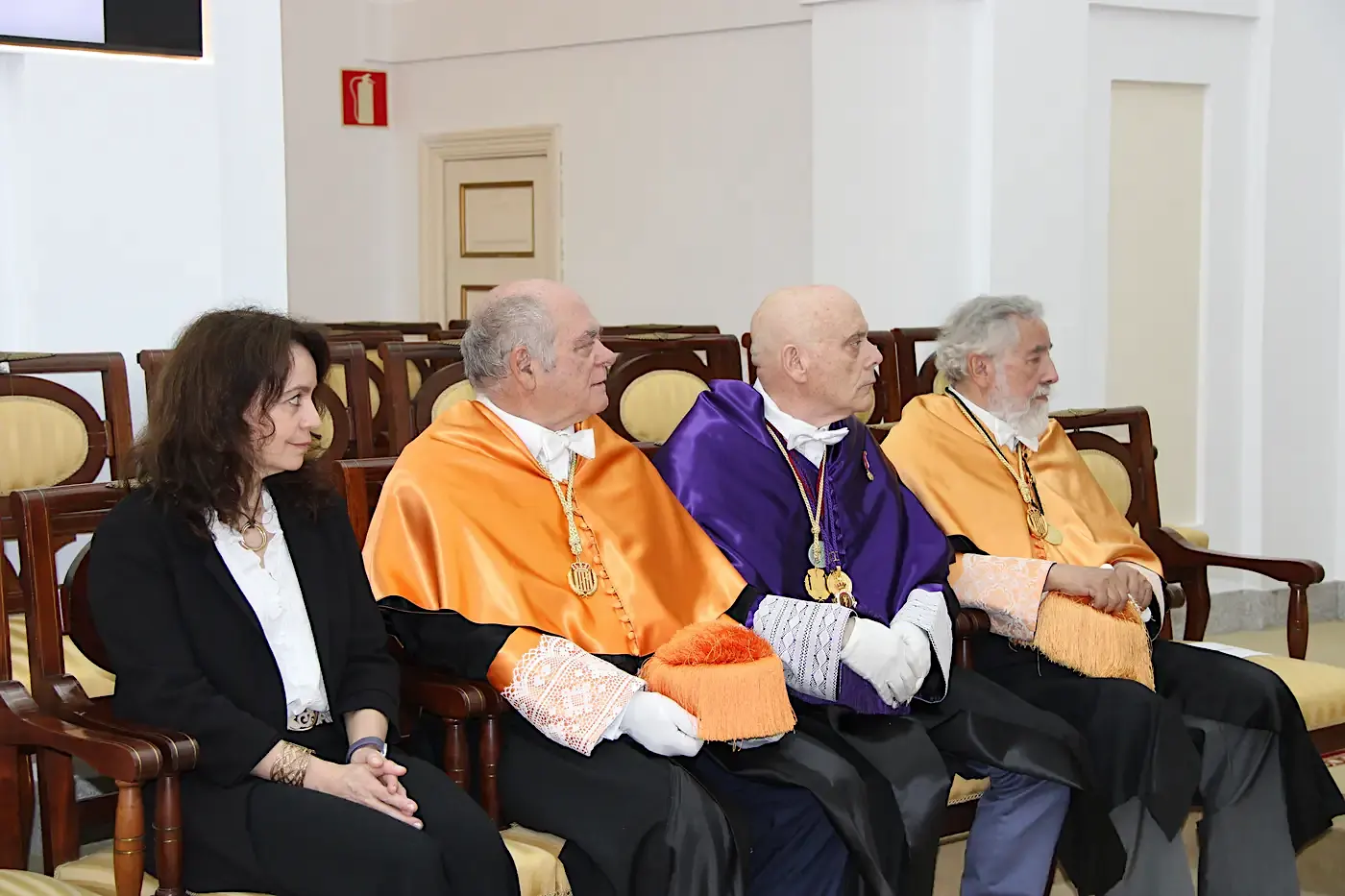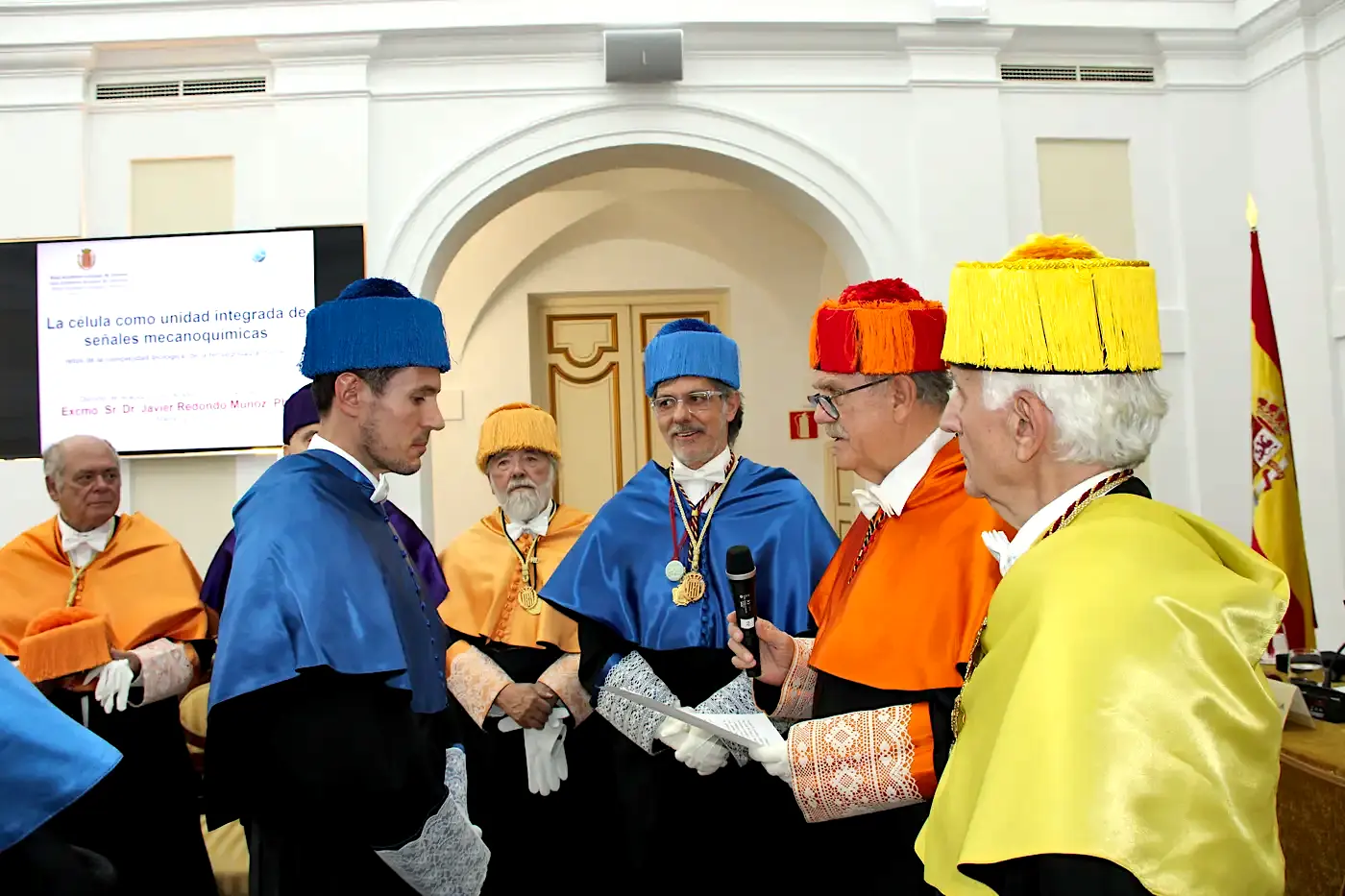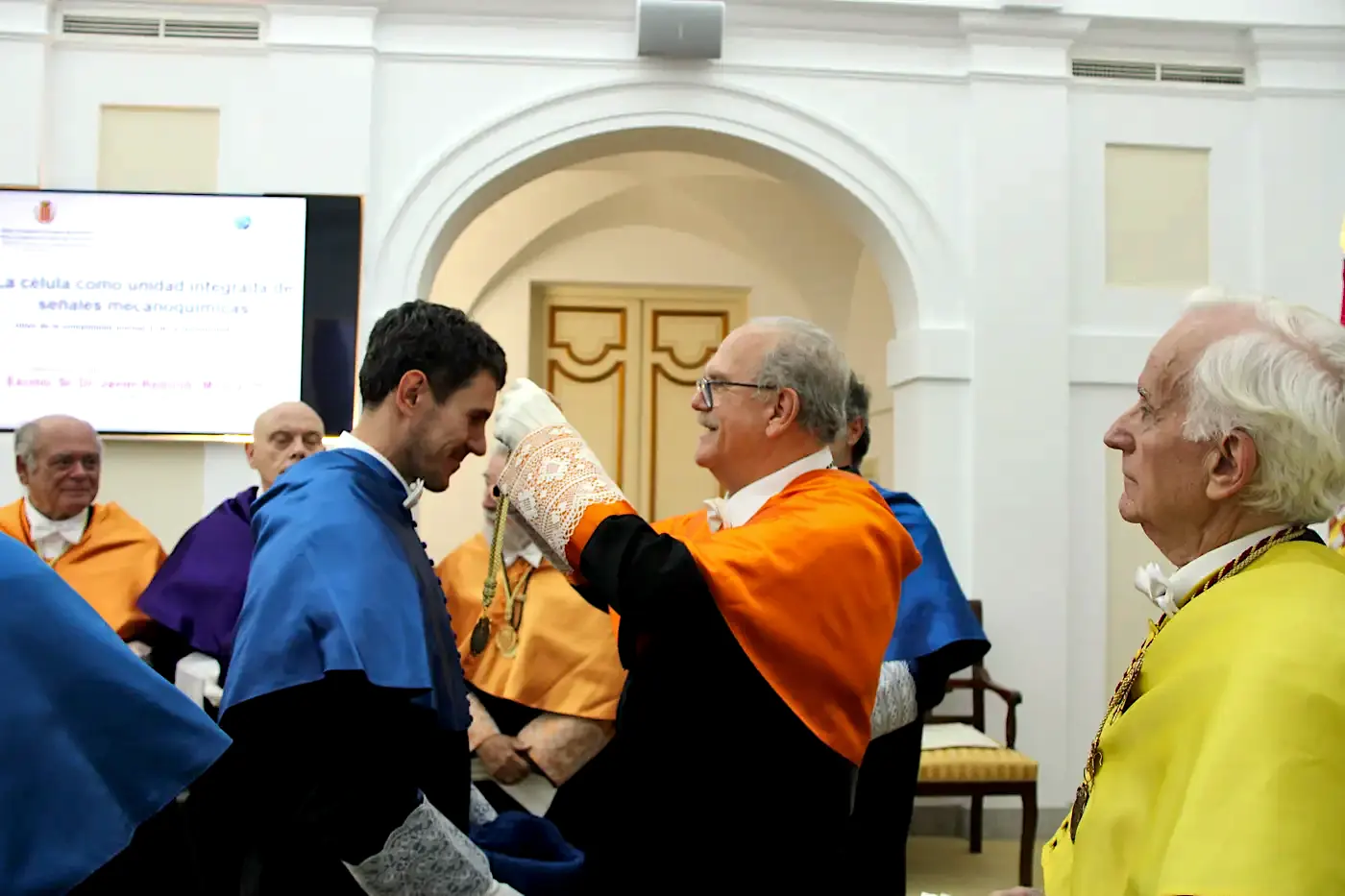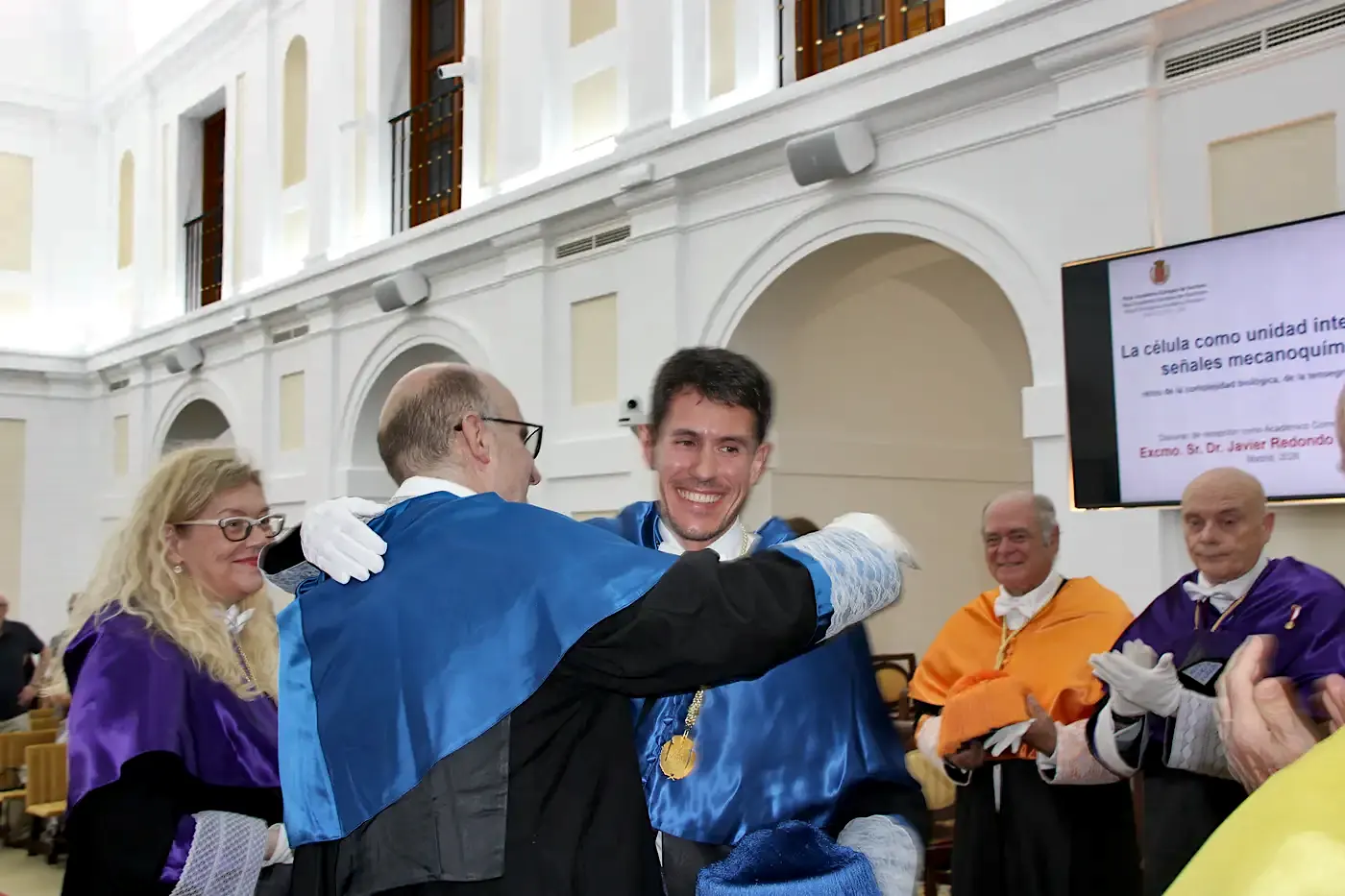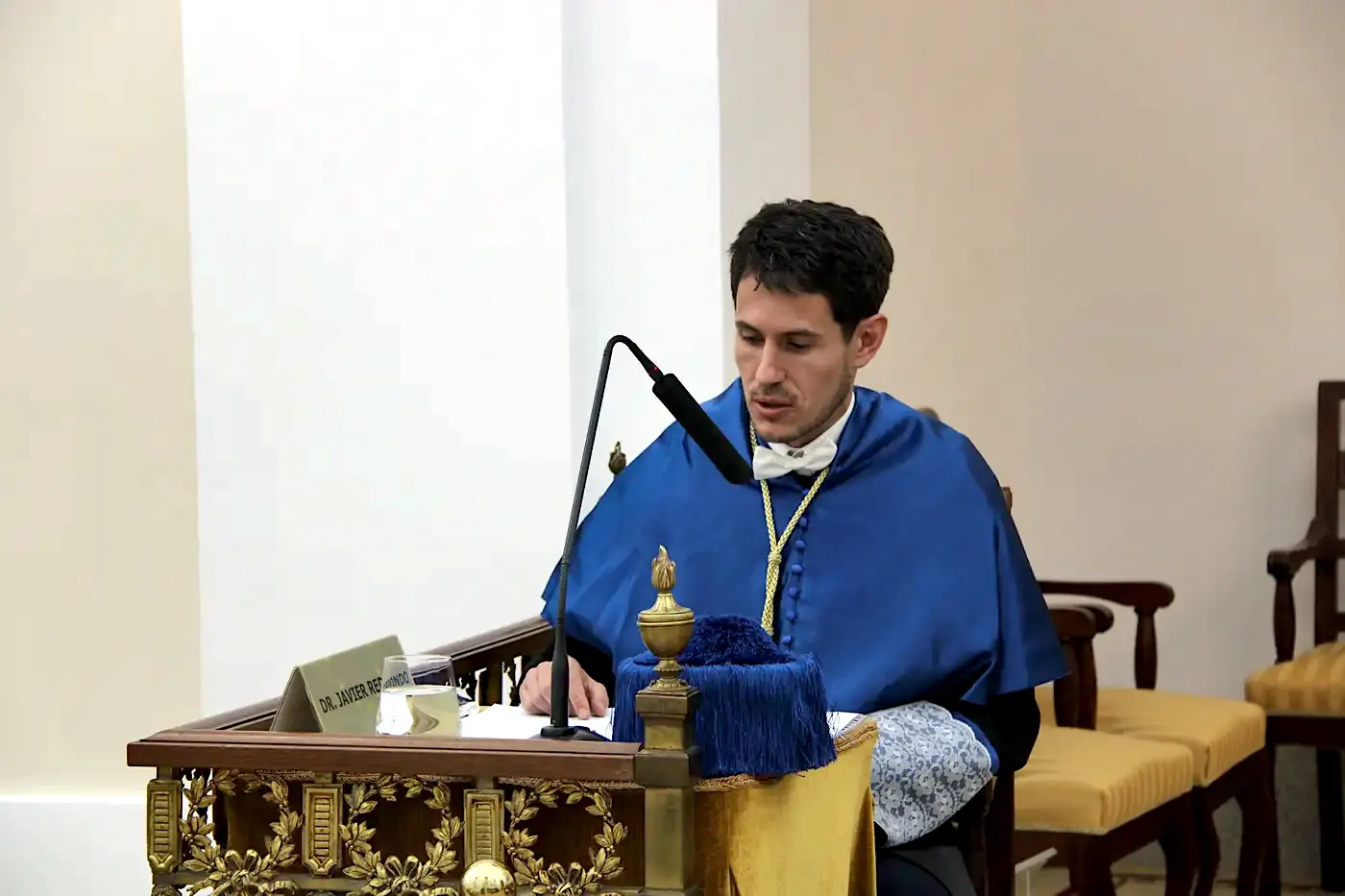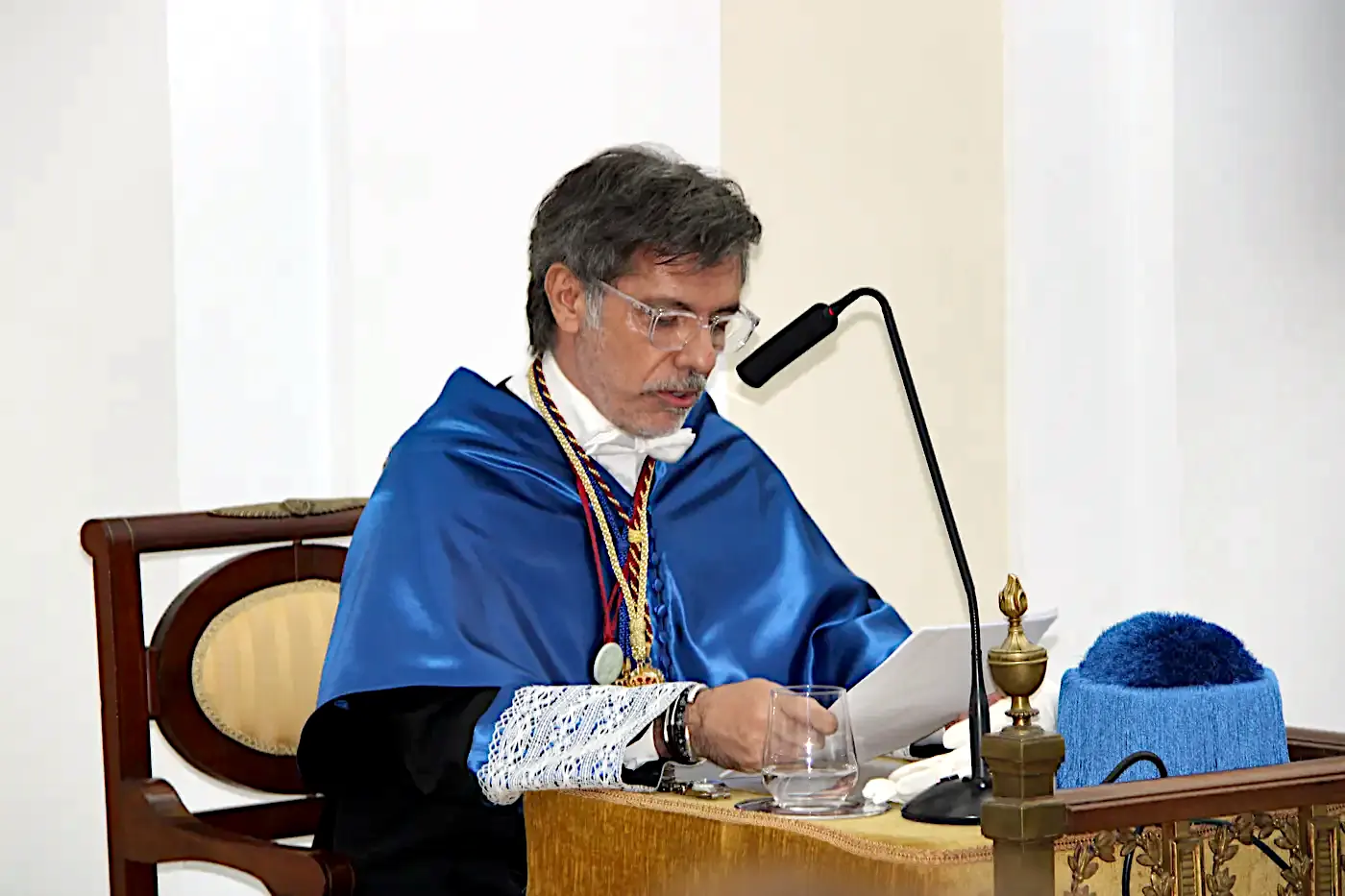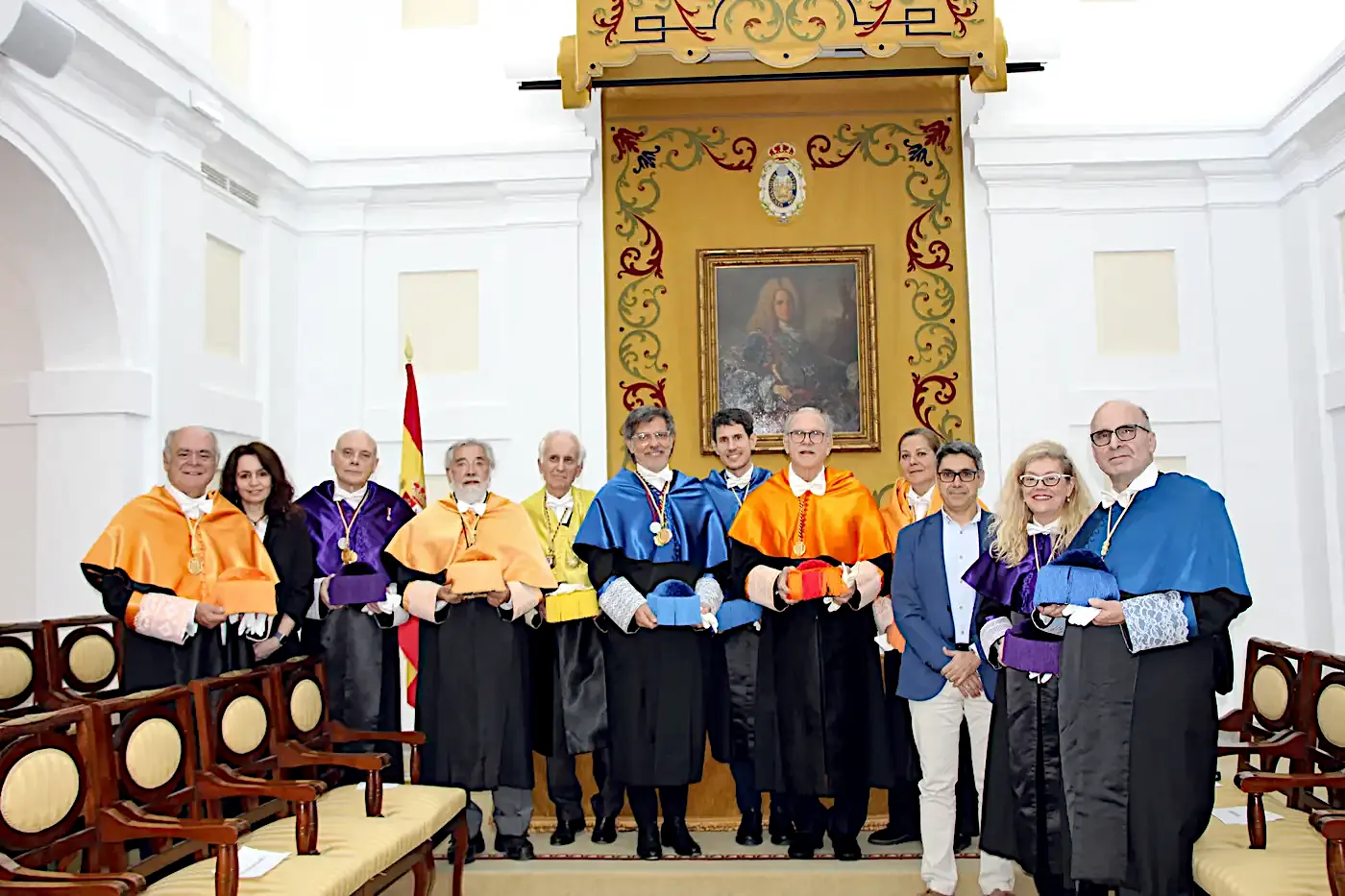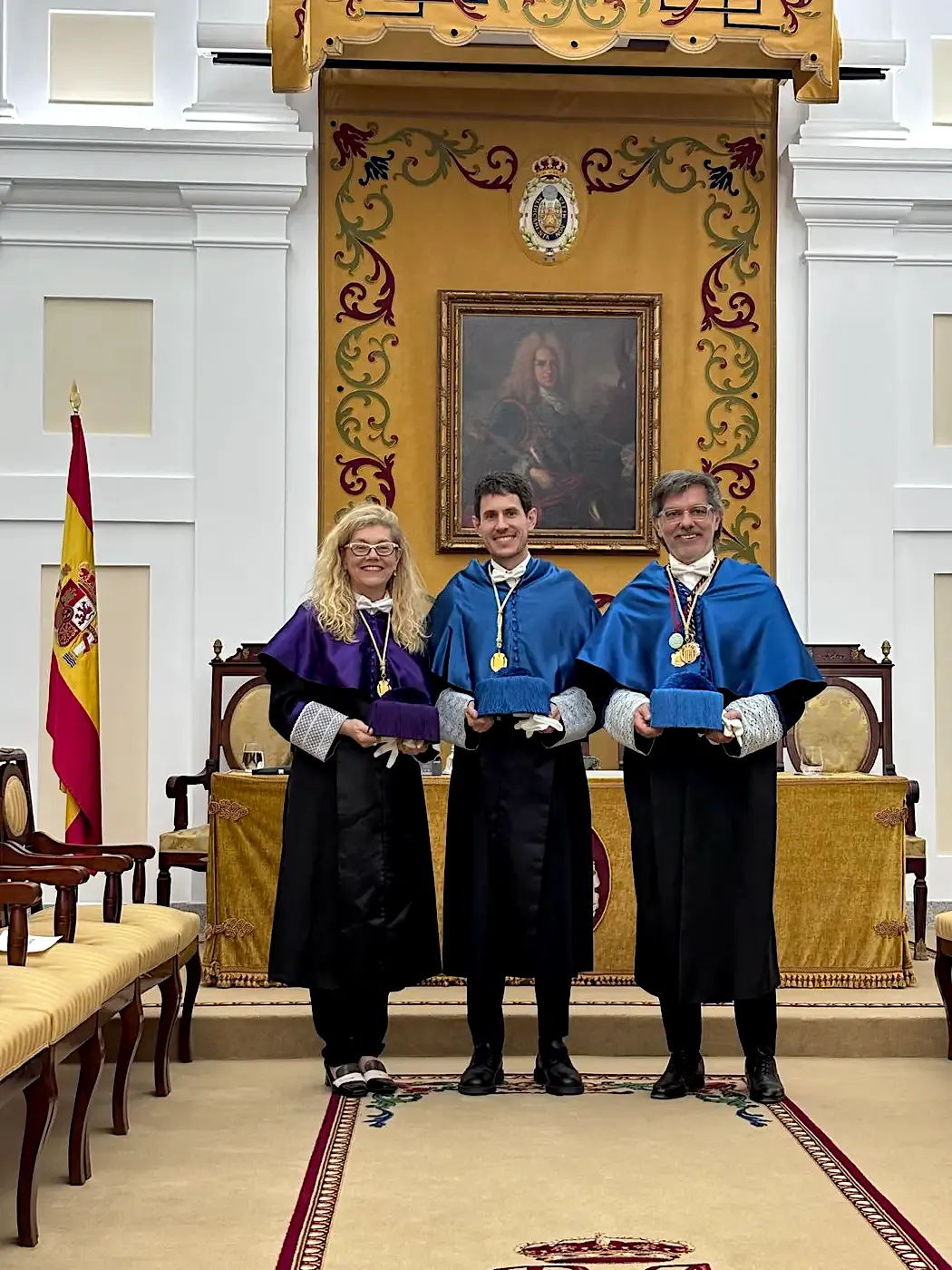


Javier Redondo, PhD in Immunology, was admitted as a Corresponding Member of the Royal European Academy of Doctors (READ) during a solemn ceremony held last Tuesday, 26 May, at the headquarters of the Royal National Academy of Pharmacy of Spain, in Madrid. The recipient read his admission speech, “The Cell as an Integrated Unit of Mechanochemical Signals: Challenges of Biological Complexity, from Tensegrity to the Nucleus”, in which he argued how the cell is an integrated system in which mechanical and biochemical signals interact to regulate its function. He was answered on behalf of the Royal Corporation by the Numerary Member and Vice-President of the Governing Board, Rafael Urrialde. The session was streamed on READ’s YouTube channel, where it can be viewed.
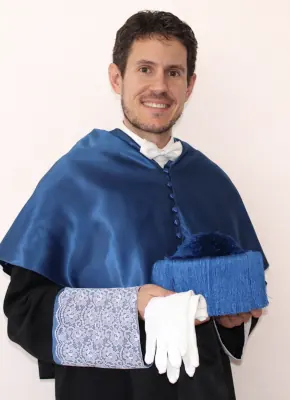
Dr. Javier Redondo
The new academic explained how organelles, intracellular signals and physical structure work in a coordinated way to carry out the different cellular functions. “These functions depend not only on specific proteins or organelles, but also on their location and on the interactions they carry out. Among the organelles, the nucleus is fundamental at both the genomic and mechanobiological levels, in functions such as cell migration and in pathological processes. Overall, the cell is a dynamic, complex and coordinated entity in which no organelle works in isolation”, the expert said by way of introduction to his lecture.
Redondo reviewed the evolution of the concept of the cell, from the static and compartmentalised view of the 19th century to the current understanding of it as an interconnected network of organelles, the cytoskeleton, and the nucleus. “The cell is much more than the sum of its parts”, he emphasised, explaining concepts such as contacts between mitochondria and the endoplasmic reticulum, vesicular trafficking and cellular homeostasis. He also explored cellular tensegrity in depth, the model proposed by the American biologist Donald Ingber, which explains cellular architecture as a balance between elements in tension (actin) and compression (microtubules), with intermediate filaments acting as shock absorbers. This structure enables mechanotransduction: the conversion of physical forces into biochemical responses that influence migration, differentiation and pathology. The expert also addressed the complexity of the cell nucleus, describing it not as a mere container for the genome, but as a dynamic organelle mechanically connected to the rest of the cell.
“Understanding how cells integrate forces, structure and signalling will not only allow us to better explain physiological and pathological processes, but also to identify new opportunities for therapeutic intervention. All these new concepts must continue to be integrated and revisited, as I would like to end with the quotation from a historic academic already mentioned and which, although probably apocryphal, perfectly illustrates that reason and discussion must prevail, as must the spirit of truth over dogma: ‘And yet it moves’ (Galileo Galilei), the new academic concluded.
Redondo carries out his work as a researcher specialising in leukaemia, epigenetics and cell migration at the Margarita Salas Centre for Biological Research of the Spanish National Research Council. He currently leads the group Nuclear Biomechanics and Epigenetics During Cell Migration, focused on understanding how nuclear architecture and epigenetic regulation control the dissemination of leukaemia. He is the author of more than 25 scientific publications in international journals on immunology, cell biology and cancer. He has led national and international competitive projects, obtaining more than 2.2 million euros in funding from public agencies, foundations and international programmes. He has also supervised several doctoral theses and trained postdoctoral researchers, technicians and university students. He has actively participated in undergraduate and postgraduate teaching at various institutions, including the Complutense University of Madrid, the University of Manchester, and Francisco de Vitoria University, and has carried out scientific evaluation work for national and international agencies, as well as outreach and academic leadership activities.
Admission speech “The Cell as an Integrated Unit of Mechanochemical Signals: Challenges of Biological Complexity, from Tensegrity to the Nucleus”