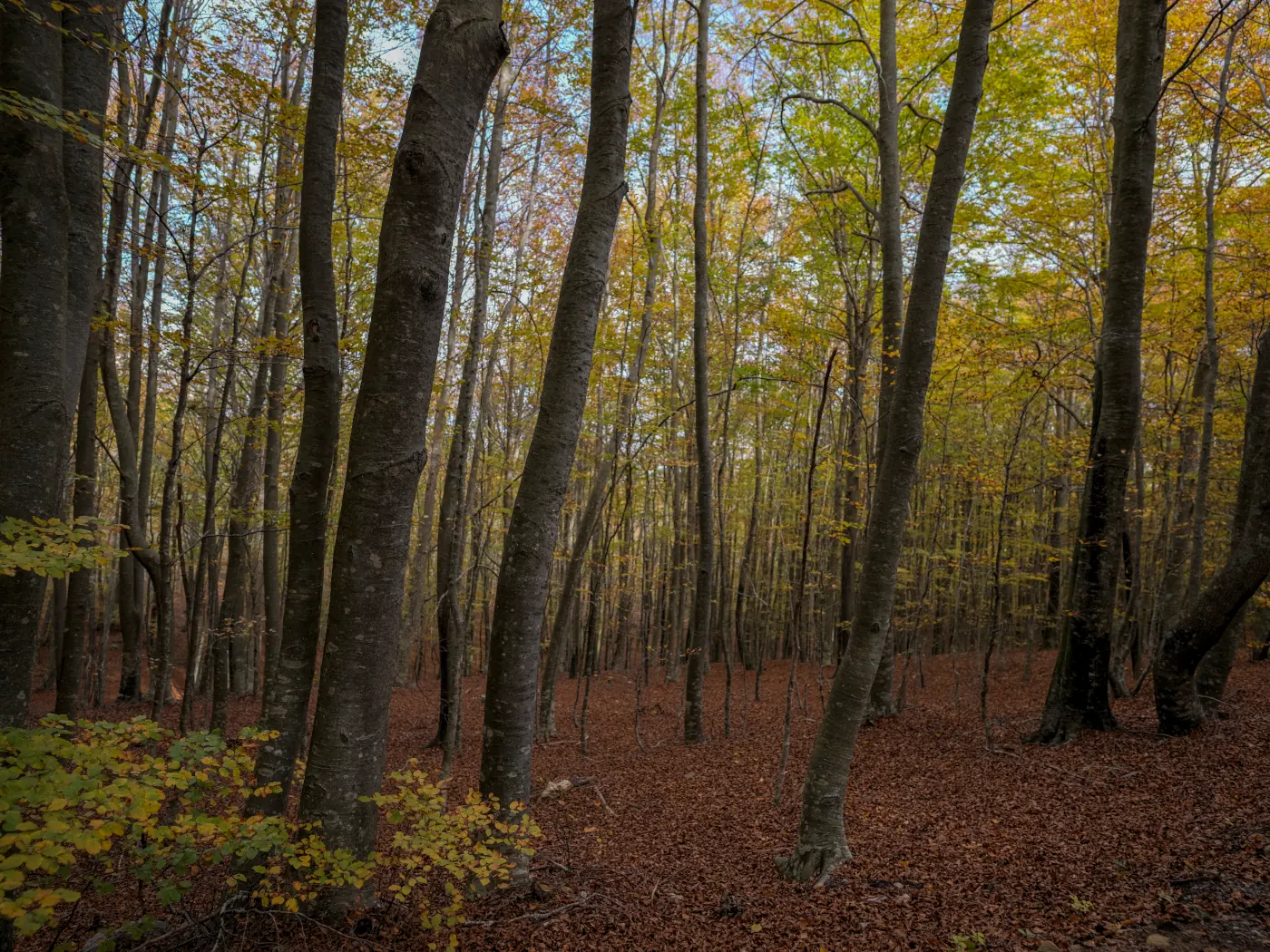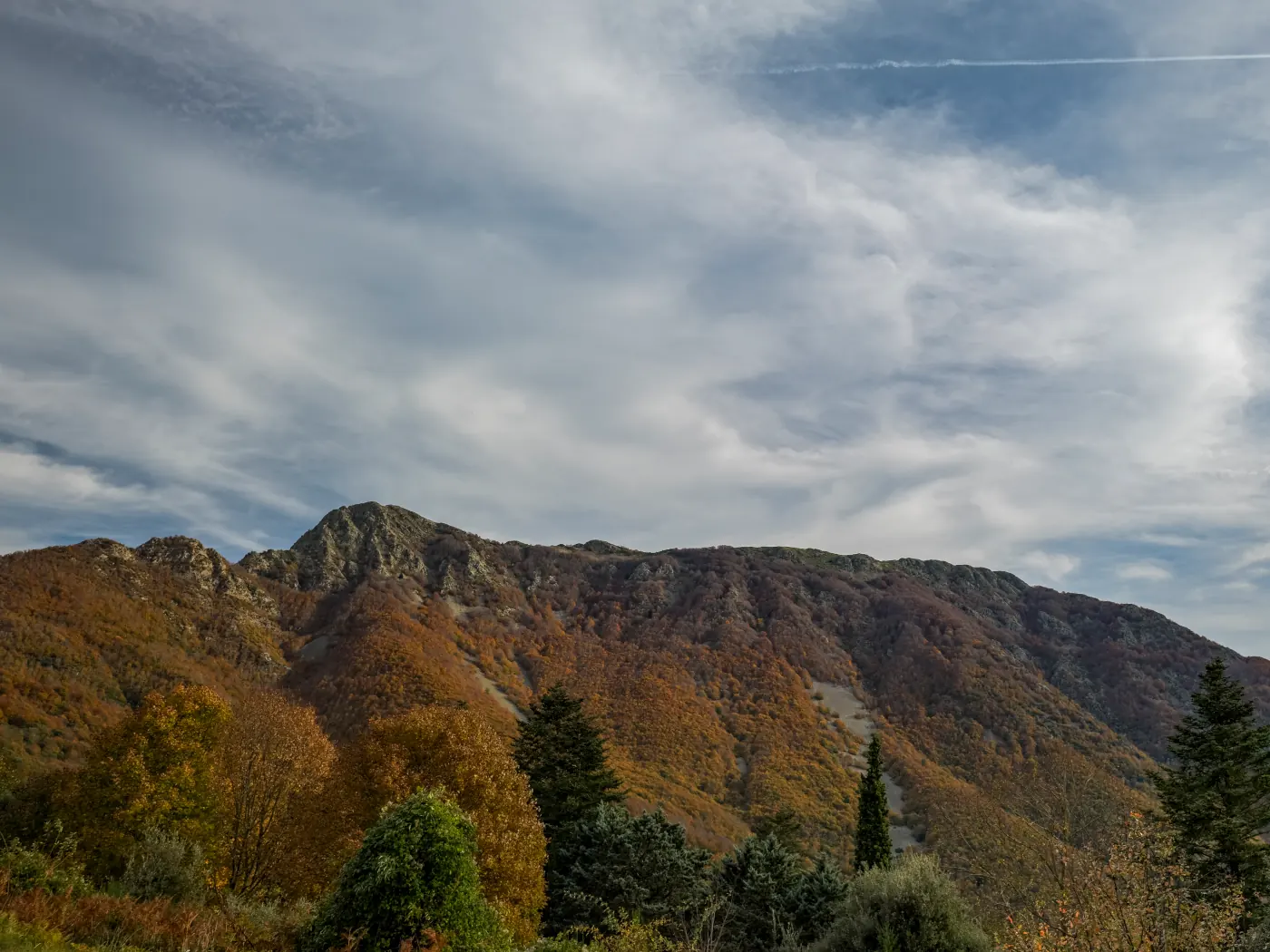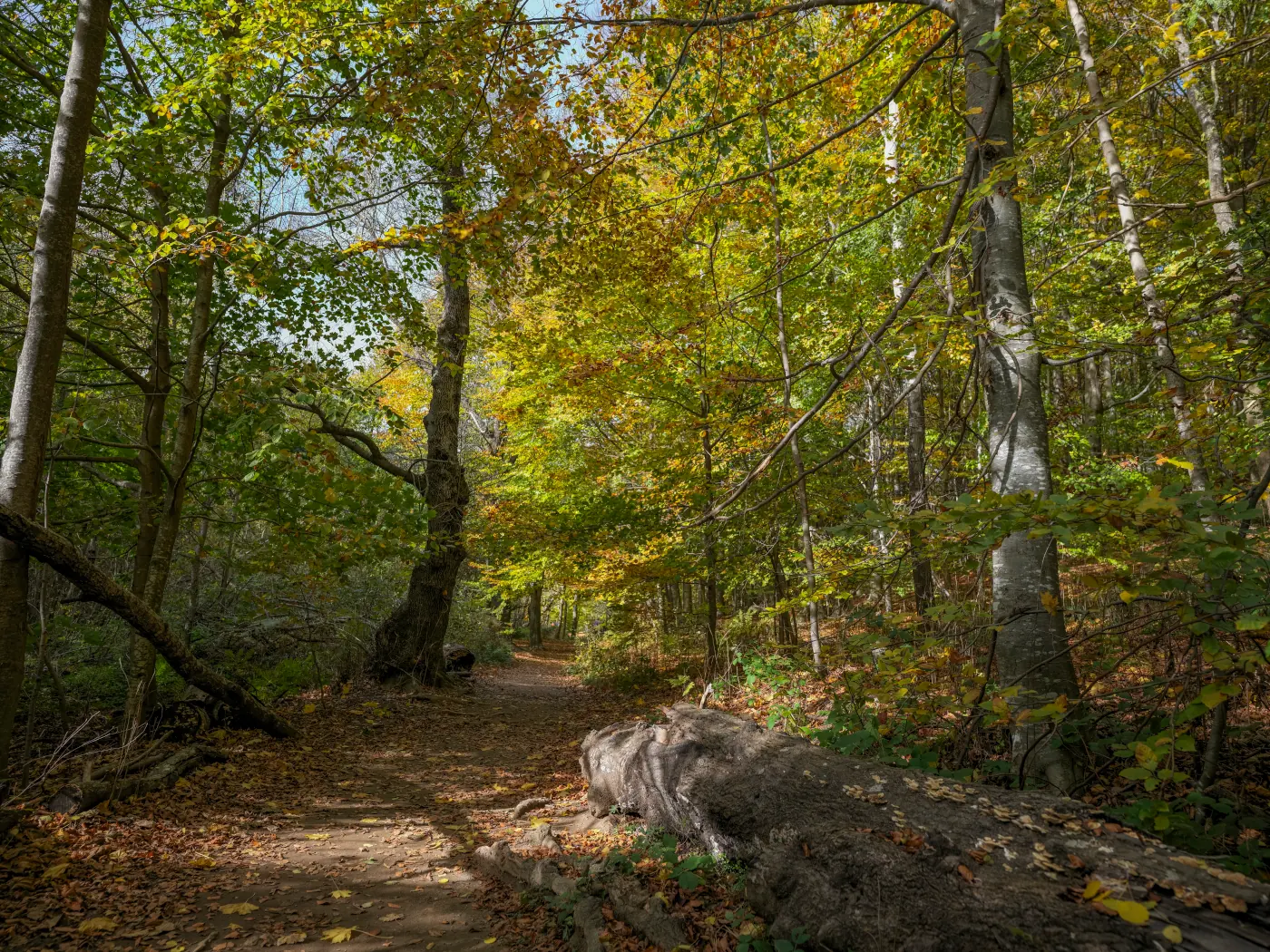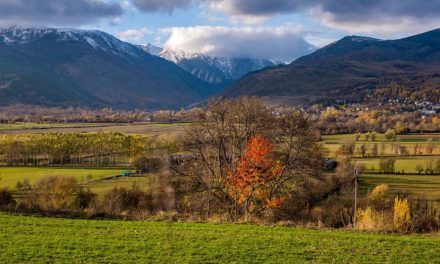


Luis Pons, Corresponding Member of the Royal European Academy of Doctors (READ), shares with the academic community his photo gallery “The Colors of Autumn in Montseny,” published on November 2 in the “Readers’ Photos” section of the digital edition of La Vanguardia. “The spectacle of color in the Montseny woodlands appears just a few kilometers before reaching Santa Fe del Montseny from Sant Celoni, along a winding and challenging road through evergreen forests and worrying cliffs,” introduces the author in the text accompanying the images.
For the photographer, the sensations evoked by this seasonal change in the heart of nature, only a few kilometers from Barcelona, are well worth a visit and represent a true privilege within easy reach. “Continuing along the road into the province of Girona, one can enjoy a marvelous palette of colors, with carpets of fallen leaves that are a delight to experience and to capture in photography—although, in this case, it is difficult for the camera to fully convey the beauty that must, in any event, be preserved,” concludes Pons in the brief text that accompanies his snapshots.
The academic is one of the regular contributors to this section, where he has published several photographic series on diverse subjects, all of which have been well received by La Vanguardia readers. Among his latest galleries are «El Chupa Chups de la torre de Collserola», «Las imágenes de la verbena de Sant Joan», «¿Cómo se vieron los fuegos artificiales de Año Nuevo en Barcelona?», «Guía para identificar las aves de Diagonal Mar», «Cuando la luna crece junto a la Torre Glòries», «El universo creativo de Frida Kahlo, en monocromía y en color», «¿Resurgen los carteristas en Barcelona?», «Las libélulas vuelven a Barcelona», «La Vía Láctea con meteoritos en la Cerdanya», «Los escenarios de ‘El rayo de luna’ de Bécquer», «La luna del ciervo se posa en La Ràpita» o «Efecto omega de la luna en el Delta del Ebro».
Luis Pons discovered photography in the 1980s, driven both by his interest in the chemical process of developing negatives into paper photographs and by his proximity to the photography departments of El País and Avui, where he worked as an executive, as he explained to fellow Academicians who have followed his work in recent years. From there, he made the leap to digital photography.
View the photo gallery