

Maria Àngels Calvo, Professor at the Faculty of Veterinary Medicine of the Autonomous University of Barcelona, President of the Academy of Veterinary Sciences of Catalonia, Numerary Member of the Royal Academy of Medicine of Catalonia and of the Royal Academy of Pharmacy of Catalonia, and Numerary Member and Vice President Royal European Academy of Doctors (READ), has had a significant media presence in recent days analyzing the origins and consequences of the current outbreaks of avian influenza and African swine fever affecting Catalonia. The expert has taken part in various radio and television programs, seeking to shed light on an issue she describes as a public health problem, even though it does not directly affect humans.
On the television channel BTV, she addressed the impact of avian influenza in Catalonia on the program «Bon dia, Barcelona» on November 17. “Prevention is essential, because it is the main barrier we can put in place against contagion. If poultry are disease-free and come into contact with wild birds, transmission is easy. What we cannot allow is for poultry to be put at risk, because an outbreak would require the culling of many birds to contain it,” she explained, ruling out human transmission despite the occurrence of very specific and isolated cases.
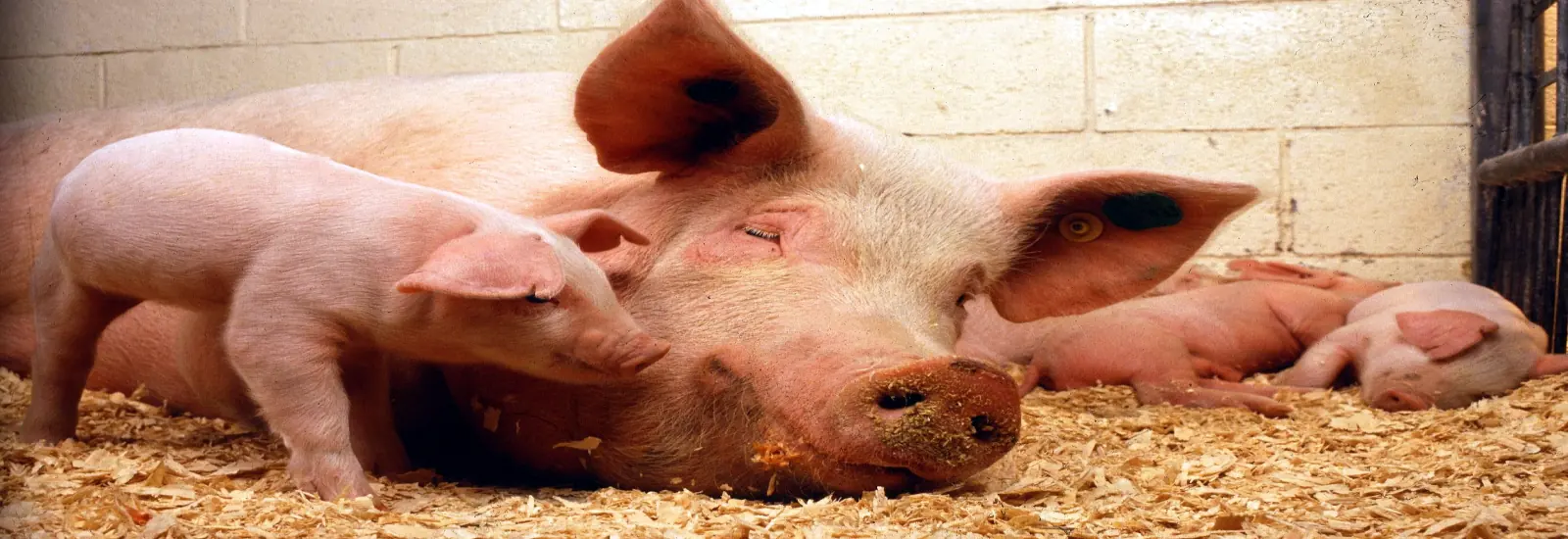
African swine fever was the topic addressed by the expert on the program «Col·lapse» on TV3 on December 6. Calvo noted that no hypothesis should be ruled out regarding the origin of the transmission of a disease that had not been detected in Catalonia for more than 30 years, and she warned of the serious risk posed by a potential infection of farmed pigs, which would trigger a major crisis in the swine sector. She also explained that the best news had been the early detection of the disease in wildlife thanks to routine protocol-based monitoring, which allowed the outbreak to be rapidly and precisely controlled and contained on the ground.
That same day, on the program «Són 4 dies» on Ràdio 4 (Radio Nacional de España), the READ Vice President referred to the hypothesis that the African swine fever infection affecting wildlife in Collserola, Barcelona, might have originated from a reference laboratory. “Everything is possible, but it must be proven, and we cannot engage in speculation. This strain, which has now been found in wild boar, has been studied for more than 15 years under very strict safety measures, but nothing can be ruled out,” she stated.
On December 8, on «El Matí» on Catalunya Ràdio, Calvo urged against fueling conspiracy theories regarding the infection of wildlife with a strain of African swine fever that is being studied at the IRTA-CReSA reference laboratory of the Government of Catalonia, and once again welcomed its rapid detection. “The problem is not under control, but it is contained,” she said, warning of the risk that infection of farm animals would pose—a scenario that now appears to be ruled out. She considered the current crisis a good opportunity to underscore the importance of addressing health challenges from a global and multidisciplinary perspective.
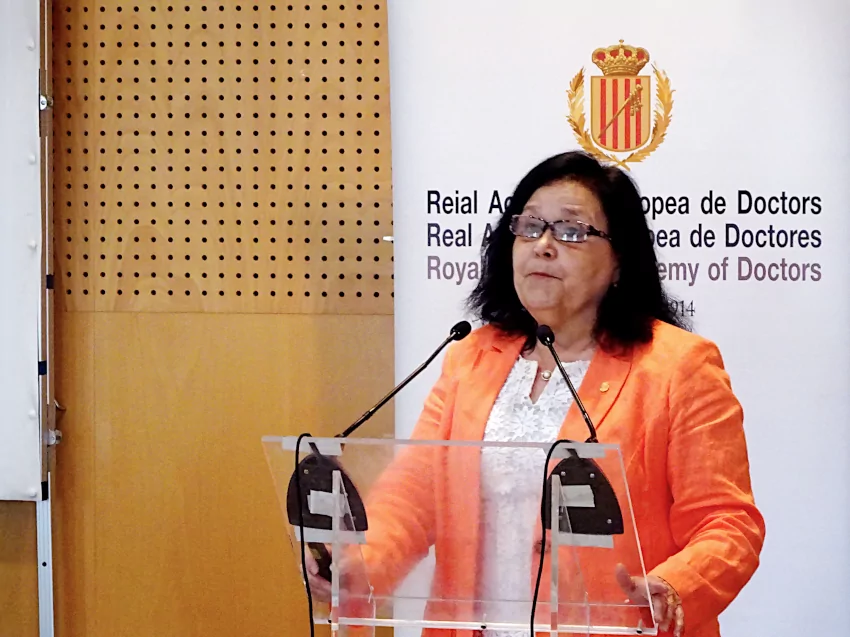
Dr M. Àngels Calvo
Finally, on December 10, Calvo appeared on the program «Cafè d’idees« on La 2 of Televisión Española, calling for confidence in the ongoing research aimed at clarifying the origin of the current African swine fever outbreak in the forested area of Barcelona and its surroundings, without ruling out any hypothesis for the time being. She also stressed the importance of preventing the spread of the virus by maintaining access restrictions to the confined areas, since human presence may be one of the factors facilitating its spread outward, with the serious risks this would entail, and she warned about the dangers of wild boar overpopulation beyond the current infectious outbreak.
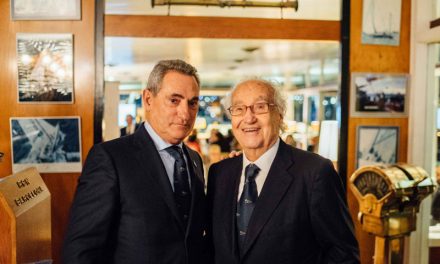
On October 20, the READ Vice President received recognition from the Official College of Veterinarians of Barcelona during a gala held at the Maritime Museum of Barcelona to commemorate the 125th anniversary of the institution’s founding. Calvo introduced the One Health concept in Spain and last year participated, representing the veterinary profession, in a scientific session held under the same theme: «One Health. A Transdisciplinary Approach.» The event took place in the Spanish Senate and was organized by the Royal Academy of Veterinary Sciences of Spain, emphasizing the importance of addressing public health in an integrated manner, with veterinary medicine as an essential component of public health, given zoonotic diseases that ultimately affect humans—the most recent being COVID-19. She was also recognized by the specialized publication Animal’s Health with the Woman of the Year Award as the most influential woman in Animal Health and Veterinary Medicine, in recognition of her extensive professional and academic career.