

Dr. Antonio Alarcó
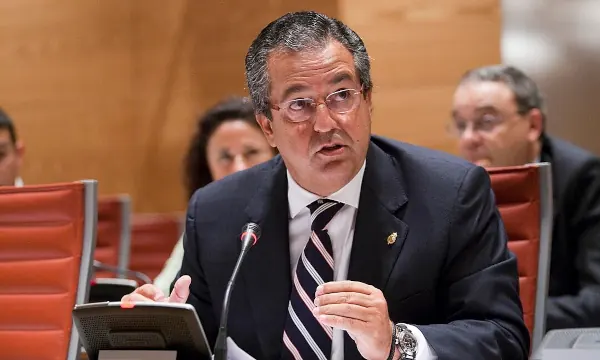
Antonio Alarcó, senator for Tenerife, Professor of Surgery at the University of La Laguna and director of its Chair of Telemedicine, Robotics and Telesurgery, and elected Full Member of the Royal European Academy of Doctors (READ), published on 15 February in the newspaper La Razón the article “Microbial Protein That Could Change Medical Therapeutics,” in which he reflects on the discovery by an international team of researchers of a new bacterial protein they have named BeeR. This protein, present both in the human gut microbiome and in soil bacteria, could transform the way medical treatments—particularly cancer therapies—are administered.
“After attaining definitive and complete knowledge of the human genome (one of the most significant advances of recent years), attention now turns to the gut microbiome, previously regarded as merely an accompaniment to the digestive process. Today, however, we know it to be a highly complex ecosystem that produces metabolites, neurotransmitters, and now also protein structures with properties never before seen in biology. This protein is called BeeR,” Alarcó begins, adopting a distinctly didactic tone. The main feature of this protein is its ability to self-assemble autonomously—without any external intervention—into rigid protein nanotubes, a structure unprecedented among actin-like proteins. This property enables it to function as a biological container capable of encapsulating drugs, protecting them, and releasing them directly into the tissues where they are needed.
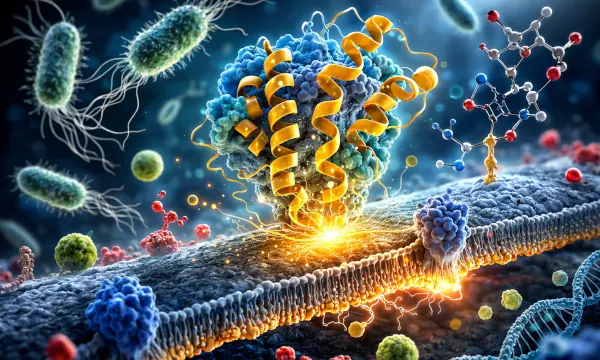 “It can serve as an excellent vehicle for anticancer drugs by encapsulating chemotherapeutic agents, protecting them from degradation, releasing them in target tissues, and thereby reducing systemic toxicity,” the expert states. This system could improve the efficacy of oncological treatments, as it would allow chemotherapy to be directed specifically at tumors, reducing side effects in other parts of the body. Moreover, the protein is biocompatible and genetically programmable, opening up new possibilities in biomedical engineering.
The discovery, published in the scientific journal PNAS, also provides relevant insights into the role of the microbiome in the human body and its potential for advanced therapeutic applications. Early trials, such as those conducted in breast cancer, have shown promising preliminary results. Taken together, this breakthrough reinforces the importance of the microbiome in modern medicine and could drive the development of more precise, personalized, and less toxic treatments.
A distinguished physician and scientist, Alarcó is a member of the Executive Board of the European Union of Medical Specialists and serves as Spain’s delegate to the International College of Surgeons. He is also President of the Canary Islands Association for Medical Education, Honorary President of the Canary Islands Society of Surgery, and has published in internationally renowned scientific journals.