

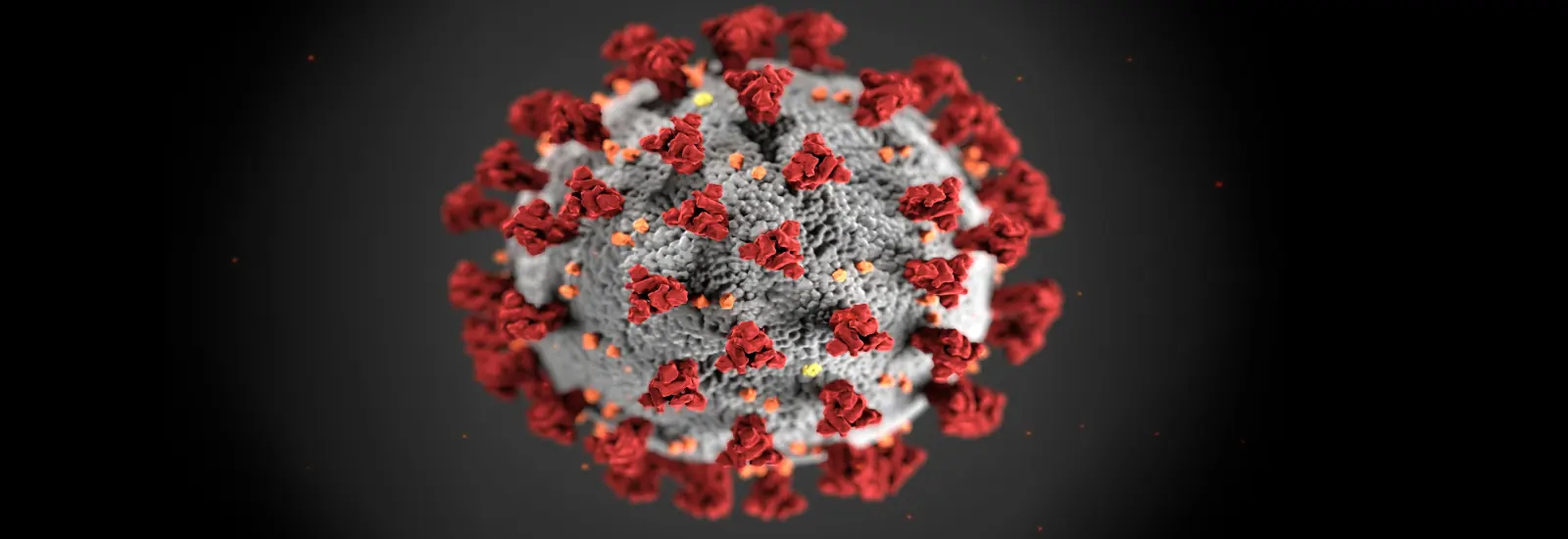
Maria Àngels Calvo, Professor at the Faculty of Veterinary Medicine of the Autonomous University of Barcelona, President of the Academy of Veterinary Sciences of Catalonia, full member of the Royal Academy of Medicine of Catalonia and of the Royal Academy of Pharmacy of Catalonia, and full member and Vice-President of the Royal European Academy of Doctors (READ), stressed the importance of studying, monitoring and conveying to society the risk posed by respiratory viruses in triggering a new pandemic such as that caused by the Covid coronavirus, in an interview published by the newspaper “El Punt Avui” on 11 March. For the expert, these respiratory viruses are the primary candidates for causing serious outbreaks because they are the easiest to transmit.
The READ Vice-President insisted on the close correlation between human, animal and environmental health. One example of this was the Covid virus itself, which used bats as a reservoir before reaching humans, as well as the current confluence of outbreaks such as avian influenza, African swine fever and lumpy skin disease, all of which are consequences of the interaction between deforestation, climate change and globalisation. Although these are still very isolated cases, the academic recalled that there has been a case of avian influenza infection in an 83-year-old man from Lleida with no direct contact with animals, and that other pathogens such as the Crimean-Congo virus and West Nile virus are beginning to appear in Europe, driven by vectors such as mosquitoes and favoured by global warming.
In the case of African swine fever, she noted, the main problem is not the disease itself, which does not affect humans, but its potentially serious economic consequences, since it could force the culling of farm animals if any case were to appear on a holding. It is, she recalled, a highly resistant virus that can be transmitted between animals through contaminated food and can even withstand freezing. Calvo also warned about lumpy skin disease, which entered from France and recently caused an outbreak in Capmany (Girona) due to a lack of vaccination among grazing animals. She also warned about antibiotic resistance in certain pathogens, exacerbated by the misuse of these medicines in livestock farming and by human self-medication.
The expert recalled the lessons of Covid, when the widespread use of face masks managed to reduce other respiratory infections significantly, and she defends the drastic measures that were taken despite the criticism. In this regard, she noted that in Asia the message of prevention has been internalised, something that has not happened in Western societies. Among other recommendations, she highlighted the cleaning and sanitation of potential vectors, responsible vaccination, the prudent use of antibiotics, and an integrated vision that brings together human, animal, and environmental health. “Without preventive measures and proper management of wildlife and the environment, new diseases will keep arriving,” she concluded.
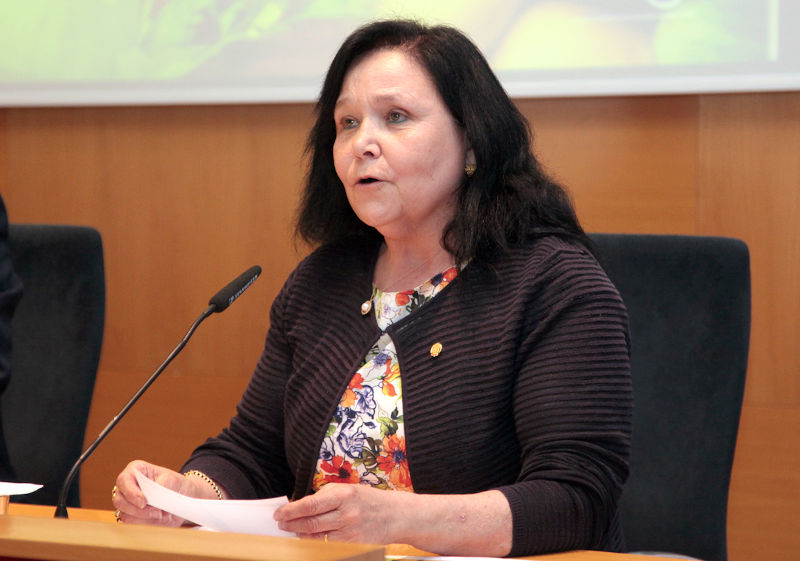
Mª Àngels Calvo Torras
Moreover, the academic reflected on the interaction between human beings and companion animals during the radio programme “El matí” on Catalunya Ràdio on 5 March. Calvo pointed to the enriching and even therapeutic relationship that a pet such as a dog or a cat can provide. “For children and older people, an animal can be wonderful company, because it offers a close bond and a way of socialising. And in specific cases, involving children with certain syndromes or illnesses, animals can play an extraordinary role in their therapies,” she noted.
Calvo introduced the concept of One Health in Spain and last year participated, representing the veterinary profession, in a scientific session held under that same motto: “One Health. A Transdisciplinary Approach.” The event took place in the Senate, organised by the Royal Academy of Veterinary Sciences of Spain, and stressed the importance of addressing public health in an integral way, with veterinary medicine as an essential part of public health, given the cases of zoonoses that ultimately affect humans. The latest of these was Covid. She was also recognised by the specialised publication Animal’S Health with the Woman of the Year Award as the most influential woman in Animal Health and Veterinary Medicine, in recognition of her long professional and academic career. Last October, she received an award from the Official College of Veterinarians of Barcelona at the institution’s gala at the Barcelona Maritime Museum to commemorate the 125th anniversary of its foundation.