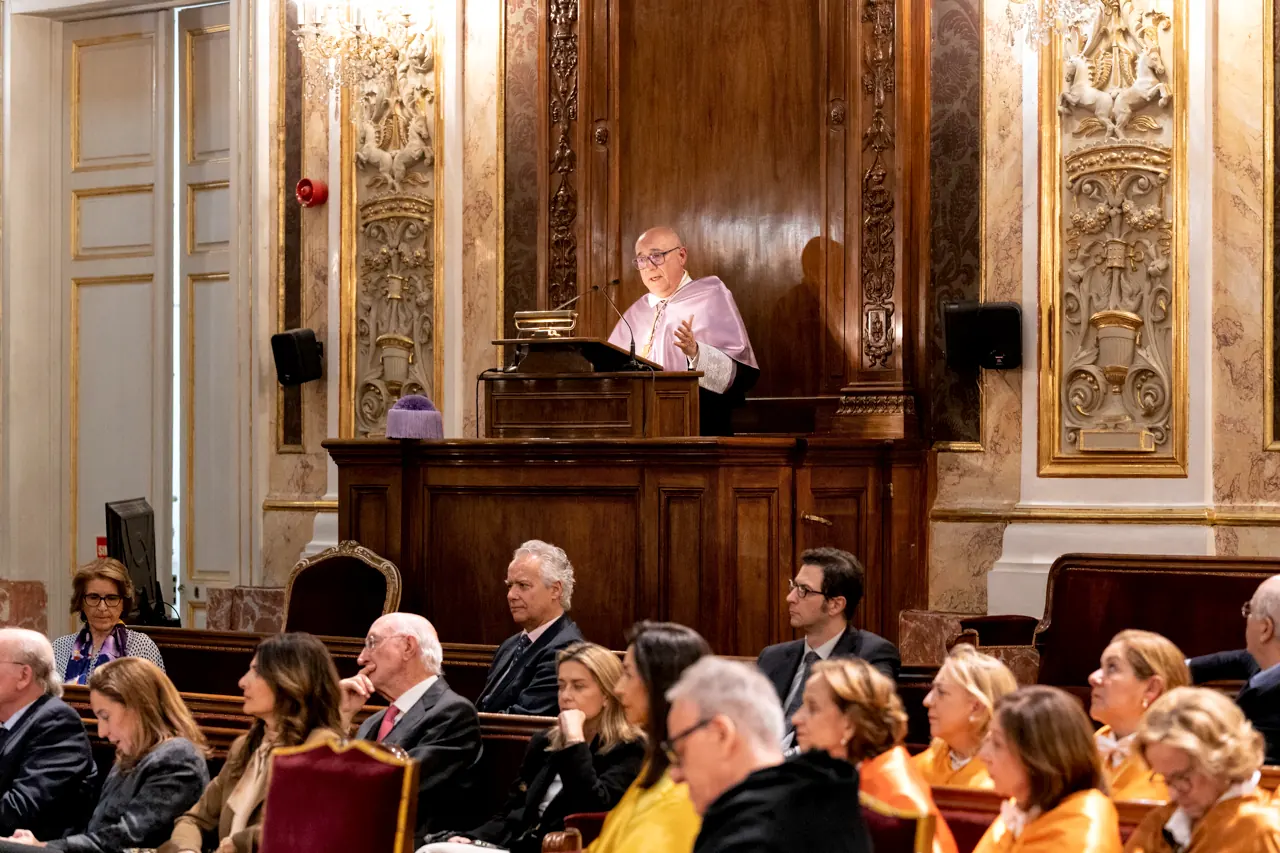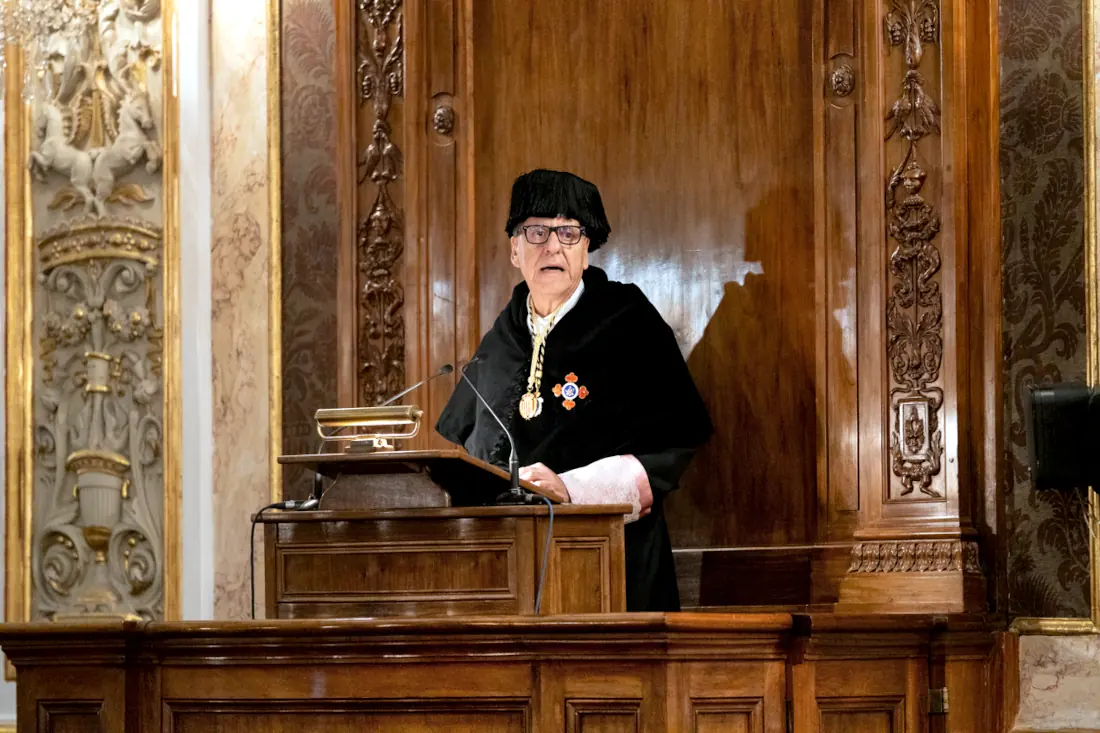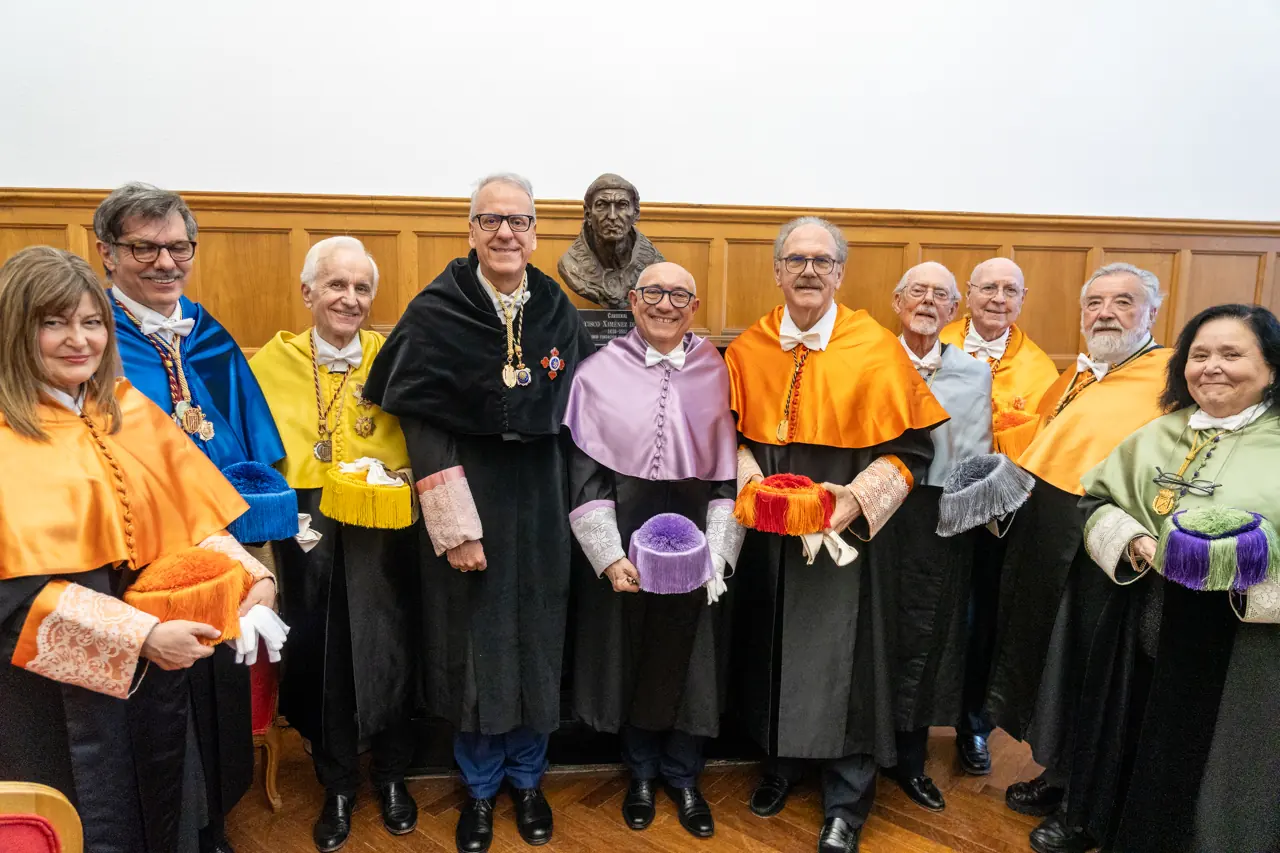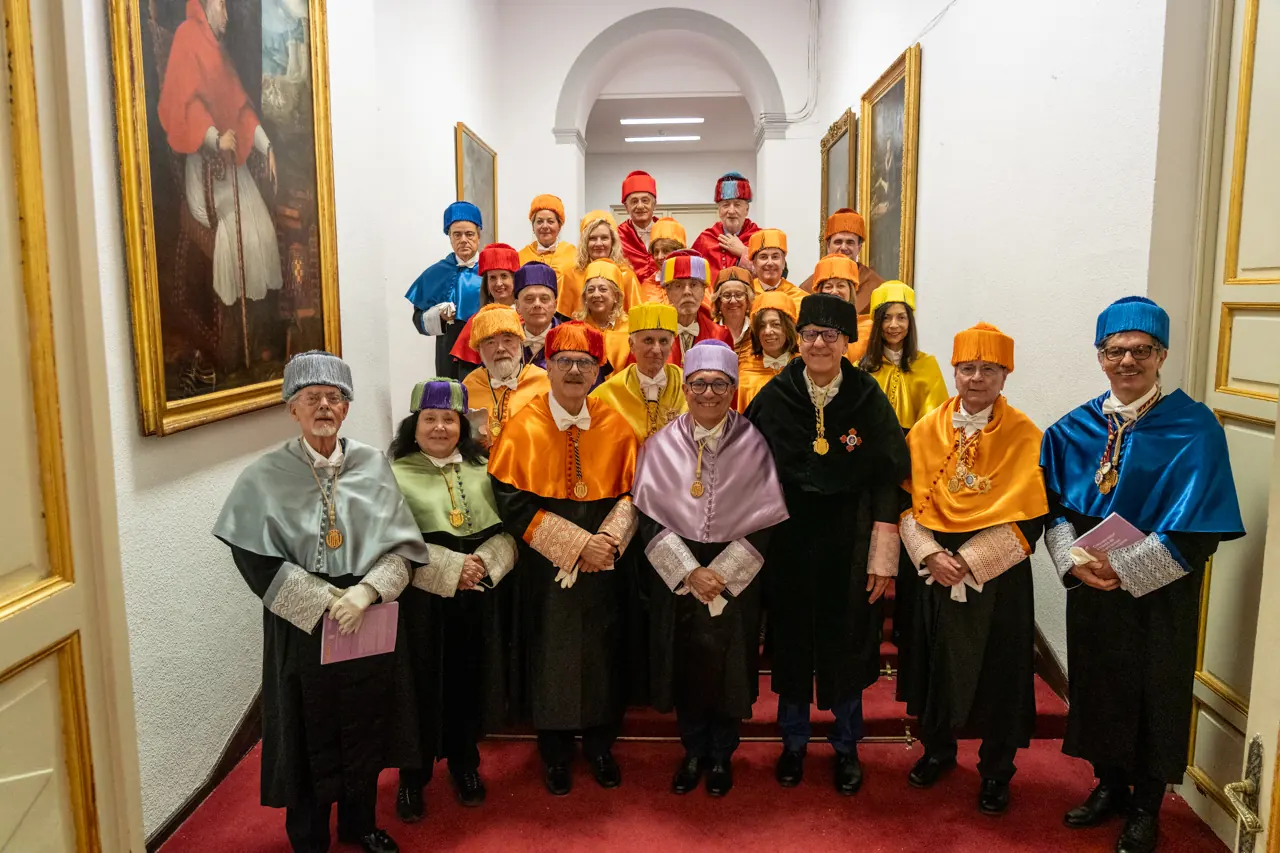



Alfonso Jiménez, PhD in Psychology and founder and Chief Executive Officer of the firm Recruiting Erasmus, has been admitted as a Numerary Member of the Royal European Academy of Doctors (RAED) during a solemn ceremony held this Thursday, 26 February, at the Paraninfo of the Complutense University of Madrid. The recipiendary delivered his inaugural address, “Creando valor a través de las personas y sus directivos” (Creating Value Through People and Their Managers,) in which he advocated transforming workforces into a key productive factor for all types of companies and organizations—one that goes beyond performance or productivity to become the primary mechanism of corporate projection. On behalf of the Royal Corporation, the response was delivered by Numerary Member Segundo Píriz.

Dr Alfonso Jiménez
For the new Academician, human resources are strategic assets that generate innovation, sustain corporate culture, and enable continuous adaptation to change. In an increasingly uncertain and competitive business environment, true differentiation lies not so much in technology or processes as in people’s capacity to learn, collaborate, and commit to a shared purpose. “Creating value through people means recognizing their talent as a strategic asset rather than a disposable resource. It requires fostering work environments where trust, autonomy, and professional development prevail. Organizations that invest in the growth of their teams, that listen to and value individual contributions, achieve more sustainable results and greater capacity for innovation. Leadership also plays a decisive role. Good leaders are not those who control, but those who inspire; not those who demand obedience, but those who generate meaning and purpose. People-centered leadership drives engagement and turns corporate objectives into shared goals. Business management must be rethought from a more human perspective—one in which productivity and profitability do not conflict with well-being, but rather reinforce one another. Because when people grow, companies prosper. And when organizations recognize the value of each individual, they become engines of economic and social progress,” the new Academician summarized.
Jiménez structured his analysis around three factors that optimize people management within the corporate body: competencies, commitment, and organizational context. Competencies represent individuals’ knowledge and technical and relational capabilities; commitment reflects their motivation and willingness to contribute value beyond what is strictly required; and organizational context includes elements such as culture, leadership, and organizational systems, which can enhance or limit performance. Jiménez emphasized that commitment acts as a multiplier of performance and that managing it becomes critical at a time when talent retention is increasingly complex. He also stressed that leadership should focus less on control and more on generating purpose, trust, and alignment, creating environments in which people can develop their potential and contribute to collective success. The new Academician situated this model of human resource management within the framework of profound structural transformations in the labor market, such as population aging, declining birth rates, shifts in social values, and growing competition for talent. These factors, he argued, require organizations to adopt a long-term strategic vision that includes policies for the development, retention, and enhancement of human capital.
“Diversity management, the definition of a coherent employee value proposition, and the development of a credible employer brand constitute key levers for broadening the talent base, strengthening engagement, and differentiating organizations in the labor market. However, these levers only reach their full potential when aligned with the organization’s internal reality. In this respect, leadership and managerial quality emerge as decisive elements. Executives act as translators of strategy into concrete behaviors and as cultural role models for their teams. Their influence on engagement, trust, and organizational coherence is decisive in creating value through people. Creating value through people is not a matter of good intentions or passing trends. It is a strategic imperative for organizations that aspire to be sustainable in complex and uncertain environments. When people grow, organizations prosper. And when companies properly recognize and manage the value of each individual, they contribute not only to their own success but also to broader economic and social progress,” the recipiendary concluded.
A recognized specialist in the labor market, organization, human resources, and talent, Jiménez has developed his professional career in leading international consulting firms such as Arthur Andersen, Andersen Consulting, Watson Wyatt—where he served as Partner and CEO for Spain—and PeopleMatters, a company he founded in 2003, as well as Recruiting Erasmus, a digital platform providing access to distinctive young talent. He has served as director of academic programs and lecturer at various universities and business schools, including the Autonomous University of Madrid, IE Business School, Carlos III University of Madrid, the European University of Madrid, Centro de Estudios Garrigues, Euroforum, APD, SHRM, IGE, and Sagardoy Business School. He is a member of the Board of Directors of the Spanish Association of Executives, chairs the Advisory Board of the Spanish Association of Human Resources Directors, and also serves on the Advisory Board of the Spanish Association of Executives and Board Members.
Speech “Creando valor a través de las personas y sus directivos”