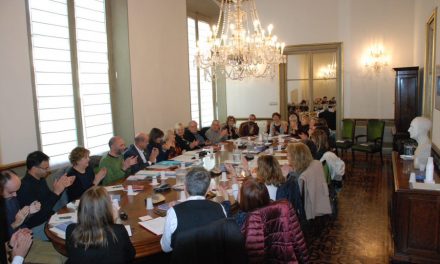


Santiago Castellà, President of the Port of Tarragona and Barcelona-Catalunya Centre Logístic, Director of the Tarragona Smart Mediterranean City Chair and of the Smart City Management Master’s Program (Zigurat–University of Barcelona), Secretary General of the Foundation Pro Real Academia Europea de Doctores, and Full Member of the Royal European Academy of Doctors (READ), is leading the transformation of the Tarragona port through its incorporation into the Association for the Metropolitan Development of the Camp de Tarragona and by promoting, together with the City Council of Lleida, a logistics axis linking the capital of Segrià with the major port infrastructure in southern Catalonia. This strategy has been widely covered in recent weeks by local, specialized, and general media. The academic also defended these policies in the lecture “Port Tarragona: A Metropolitan Engine,” delivered on 10 February before members of The Propeller Club Barcelona.
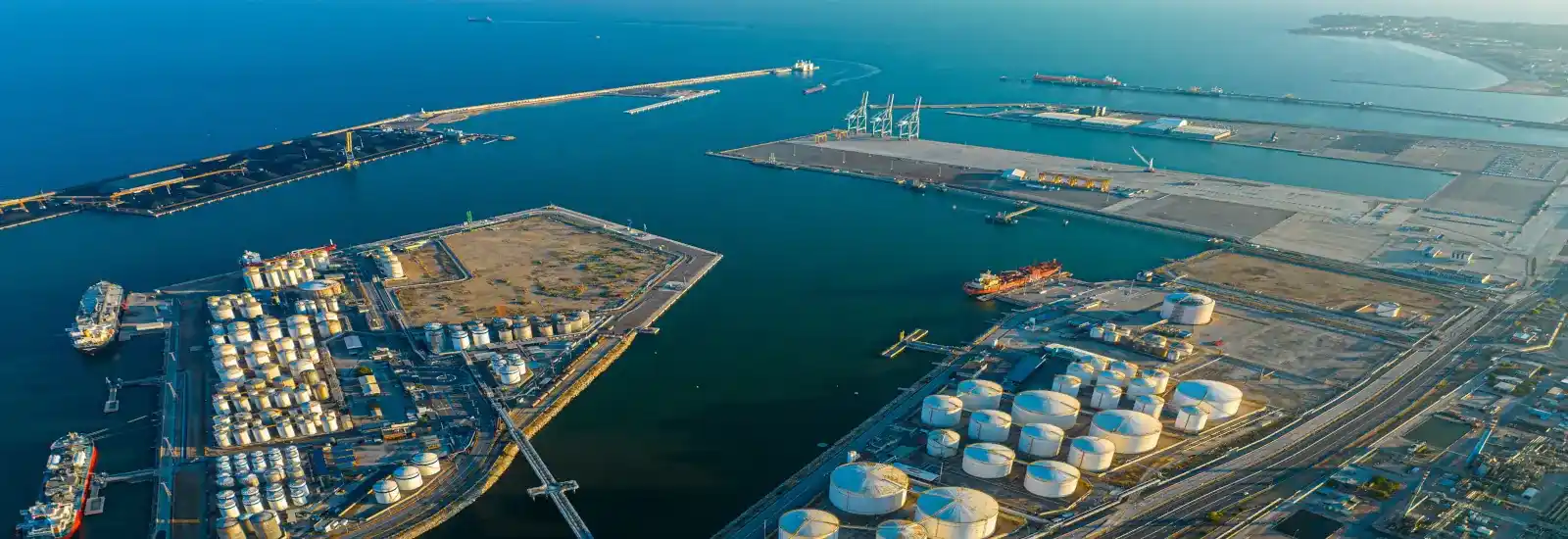
According to Castellà, 2026 is the year of the Port of Tarragona thanks to the implementation of several strategic projects that directly enhance its development and competitiveness, including the inauguration of the PortTarragona Terminal Guadalajara-Marchamalo, the tendering process for the Boella Intermodal maritime terminal for containers and general cargo, and its connection to the Mediterranean Corridor. “Tarragona is Catalonia’s second metropolitan area and the one that will provide the greatest opportunities for economic growth. Many of these opportunities are linked to the logistics sector and to the development of infrastructure and strategic port projects. Catalonia needs a logistics vision that strengthens the axis formed by Tarragona, Lleida, and the Terres de l’Ebre. From the Port Authority and from the presidency of Barcelona-Catalunya Centre Logístic, we are advocating this approach. The creation of synergies and new intermodal infrastructures will be decisive in reinforcing our role as a logistics hub, especially in a context of limited industrial and logistics land. The Port of Tarragona is the heart of a major logistics region encompassing the entire province and extending through the Ebro Valley to central Spain,” he stated during the lecture.
Castellà also reviews the work accomplished and the outlook for this new phase, marked by the promotion of new projects, in an extensive interview published by the specialized outlet Diario del Puerto. The academic expresses his conviction that the Port of Tarragona is in the right place at the right time, as key infrastructures are ready to move from construction to value generation and economic transformation in the Camp de Tarragona. He positions the port as a metropolitan and logistics engine of northeastern Spain, with an approach that goes beyond cargo handling to include value-chain creation, reindustrialization, social well-being, and green sustainability. He also emphasizes the importance of territorial consensus and cooperation with other ports such as Barcelona and Valencia so that strategies remain complementary rather than competitive, highlighting the relevance of inland rail solutions, new terminal operations, and digital and sustainable innovation within the port.
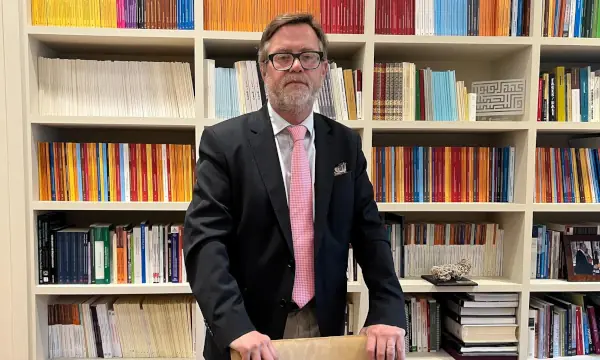
Dr Santiago Castellà
Regarding traffic volumes in 2025, despite a decrease in overall volume, Castellà stresses that evaluation should focus on the port’s transformative role in its surrounding territory rather than on isolated figures. “The objective is not for the port to generate large profits or revenues, but increasingly to evaluate it based on its capacity to transform the territory and align with its needs. Cruise traffic is a good example: passenger fees may not be among the highest, but if the territory wishes to develop a tourism strategy involving cruises, that decision does not belong to the port alone. The Port of Tarragona has established strong relationships with territorial stakeholders to understand collective needs and position itself accordingly,” he concludes.
Holding a PhD in Public International Law from the University of Barcelona, Castellà has served for 25 years as a professor in the Department of Public Law at the Rovira i Virgili University, where he also held positions as Dean of the Faculty of Legal Sciences, Vice-Rector for External and International Relations, and Director of several postgraduate programs, including the Master’s in Environmental Law, the Master’s in Global Migration Management, the Master’s in International Development Cooperation, and the Master’s in International Criminal Justice. He currently combines his responsibilities as Director of the Tarragona Smart Mediterranean City Chair with directing the Smart City Management Master’s Program (Zigurat–University of Barcelona). Castellà is also Scientific Director of the Observatory on Enforced Disappearances of Minors and Academic Director of the seminar “International Humanitarian Law in the Contemporary World,” organized by Rovira i Virgili University, the International Catalan Institute for Peace, and the Tarragona Assembly of the Red Cross, and is a regular collaborator of the Centre for Legal Studies and Specialized Training of the Government of Catalonia and the International Criminal Bar Association. In the political sphere, he serves as First Secretary of the PSC in the city of Tarragona.